Choosing the Right Indoor Flowering Plant for Your Space
Not every flowering plant is happy indoors, and picking the wrong one can get frustrating pretty quickly. It’s always better to choose something that naturally fits your space instead of trying to force it.
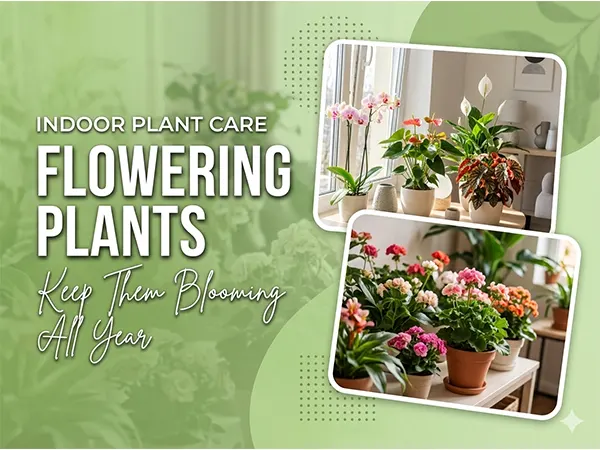
Peace lilies are a safe bet if your home doesn’t get a lot of sunlight they still manage to bloom and don’t need too much attention. African violets are small, neat, and perfect for windowsills where there’s bright but indirect light.
If you want something that looks a bit more decorative, anthuriums are great their glossy, heart-shaped flowers last for weeks. Kalanchoe is another easy option, especially if you don’t want to fuss too much over care.
Orchids can feel a bit tricky at first, but once you get the hang of them, they reward you with long-lasting, elegant blooms. In the end, choosing a plant that matches your light and routine makes everything much easier.
Light Requirements for Indoor Flowering Plants
Light really makes or breaks a flowering plant indoors. Without enough of it, the plant might survive, but it won’t bloom the way you expect.
Most indoor flowering plants do best with bright, indirect light for a few hours each day. A spot near an east or west-facing window usually works well. South-facing windows are fine too, especially in winter, but in summer you might need a thin curtain to soften the sunlight.
North-facing rooms can be a bit tricky, though some plants like peace lilies or certain begonias can still manage.
If your home doesn’t get much natural light, a grow light can be a good backup. Keeping it on for around 12–14 hours a day can make a big difference. Also, turning your plant slightly every week helps it grow evenly instead of leaning toward one side.
Watering Indoor Flowering Plants Correctly
When it comes to watering, the biggest mistake people make is giving too much water. It’s actually better to wait a bit than to overdo it.
A simple trick is to touch the soil if it still feels damp about an inch below the surface, you can wait another day or two. When you do water, do it properly let the water run through the pot, and don’t leave it sitting in the tray.
Some plants need slightly different care. African violets, for example, prefer to take in water from the bottom, which helps keep their leaves dry. Orchids are different again they usually need a light watering once a week, letting the water drain completely afterward.
Also, keep in mind that plants need more water in summer and less in winter.
Fertilizing for More Blooms
If you want your plants to keep flowering, feeding them regularly helps a lot. Flowering plants tend to use up nutrients faster, especially during their active growing season.
A fertilizer with higher phosphorus content is usually best for encouraging blooms. You don’t need much just a diluted liquid feed every couple of weeks during spring and summer is enough.
It’s important not to overdo it, though. Too much fertilizer can actually harm the plant or lead to lots of leaves but very few flowers. If you ever notice a white layer building up on the soil, it’s a sign you should flush it out with plain water and take a break from feeding.
Humidity, Temperature, and Common Issues
Most indoor flowering plants originally come from tropical regions, so they prefer a warm and slightly humid environment. Normal room temperatures are usually fine, but dry air especially in winter can cause problems.
You might notice buds falling off before they even open, which is pretty common with plants like orchids or gardenias. Grouping plants together can help create a bit of humidity naturally, or you can use a tray with pebbles and water.
If the air gets too dry, a small humidifier can really help. Also, try to keep plants away from direct blasts of hot or cold air, like from AC vents or heaters, since sudden temperature changes can stress them out.
Getting Indoor Flowering Plants to Bloom Again
A lot of people throw away flowering plants once the blooms are gone, but most of them can actually flower again with a little patience.
Kalanchoe, for example, needs longer periods of darkness to start blooming again just placing it in a darker spot at night for a few weeks usually works. Orchids often rebloom when there’s a slight drop in temperature at night.
Peace lilies tend to bloom again on their own if they’re getting enough light and nutrients. African violets are probably the easiest they can keep flowering almost all year if conditions are right.
At the end of the day, it comes down to understanding how the plant behaves naturally. Once you match those conditions indoors, getting repeat blooms becomes much easier.