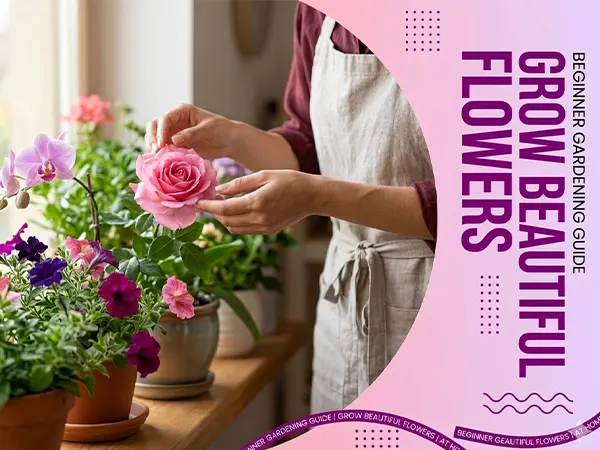
Why growing flowers at home is worth it
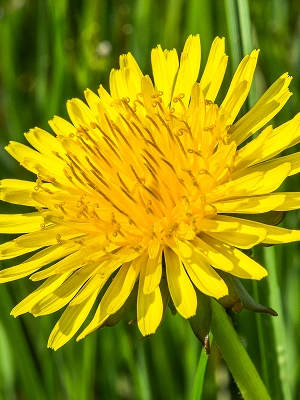
There’s something deeply satisfying about growing your own flowers. Unlike buying a bunch from a store, homegrown blooms come with a sense of accomplishment that makes them feel more beautiful. Flowers transform a plain garden bed, balcony, or windowsill into something alive and constantly changing. They attract pollinators like bees and butterflies, improve your outdoor space, and give you a steady supply of fresh blooms to bring indoors. Once you start, a single pot of marigolds has a way of turning into a full garden before you know it.
Best flowers to grow for beginners
Not all flowers are created equal when it comes to ease of growing. Marigolds are among the most forgiving — they grow fast, repel pests, and bloom all season long. Sunflowers are another excellent starter flower, needing little more than full sun and occasional watering to produce dramatic, tall blooms. Zinnias thrive in summer heat and produce bold, bright flowers over a long season. Pansies are perfect for cooler months and can even handle a light frost. Lavender is slightly more demanding but rewards you with fragrant, long-lasting purple spikes and the bonus of attracting bees to your garden.
How to prepare your soil for flowers
Healthy flowers start with healthy soil. Most flowering plants prefer well-draining soil that’s rich in organic matter. Start by loosening the soil to about 12 inches deep using a garden fork or tiller. Mix in compost or aged manure to improve nutrients and drainage — this is the single best thing you can do for any flower bed. Avoid heavy clay soils that hold too much water, as most flowers dislike having wet feet. If you’re growing in containers, use a quality potting mix rather than garden soil, which can compact in pots and restrict root growth. A soil pH between 6.0 and 7.0 suits most common flowering plants.
Planting, watering, and sunlight basics
Most flowers need at least six hours of direct sunlight a day to bloom well — this is non-negotiable for sun-loving varieties like sunflowers, zinnias, and marigolds. Shade-tolerant flowers like impatiens and begonias are better choices for darker spots. When planting, follow the spacing guidelines on seed packets — crowding plants leads to poor airflow and increases disease risk. Water at the base of the plant rather than overhead to keep foliage dry and reduce fungal issues. Most flowering plants do best with deep, infrequent watering rather than a light daily sprinkle — this encourages roots to grow deeper and makes plants more resilient during dry spells.
How to keep your flowers blooming longer
The secret to a longer blooming season is a technique called deadheading — removing spent flowers before they go to seed. When a plant sets seed, it stops producing new blooms because it believes its job is done. By pinching or cutting off faded flowers just above a leaf node, you signal the plant to keep producing. Do this every few days during peak season and you’ll be rewarded with weeks of additional blooms. Fertilizing every two to three weeks with a phosphorus-rich fertilizer (look for a higher middle number on the label, like 10-30-10) further encourages flower production. Mulching around the base of your plants also helps retain moisture and keeps weeds from competing for nutrients.
Common flower growing mistakes to avoid
One of the most frequent mistakes is planting too early. Even cold-hardy flowers can struggle if planted before the last frost date in your area — always check this for your region before sowing seeds or transplanting seedlings outdoors. Overwatering is another common problem, especially in containers where water has nowhere to drain. Underfeeding is equally common — flowers in containers especially need regular fertilizing since nutrients wash out with every watering. Planting sun-loving flowers in shaded spots leads to leggy, weak plants with few blooms. And neglecting pest checks can allow aphids, thrips, or caterpillars to quietly devastate a plant before you notice. A quick weekly inspection of leaves — top and underside — catches most problems early enough to handle easily.