

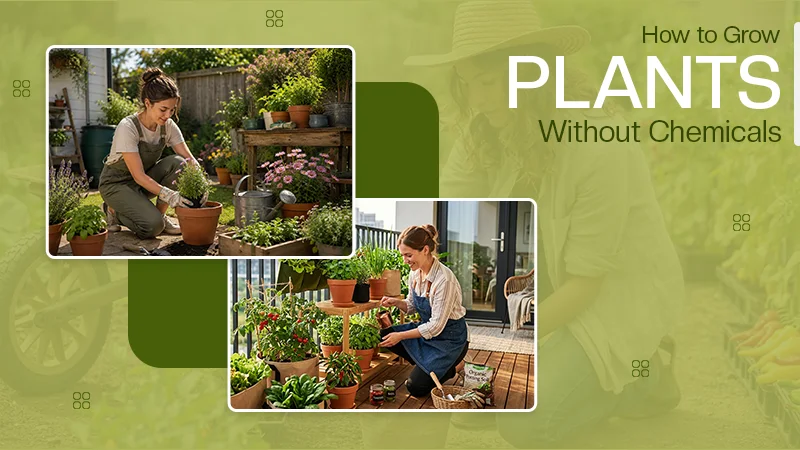
In the world, as everyone is getting health-conscious, organic gardening is making its space. Organic gardening not only provides you with pesticide-free food but also keeps your surrounding air clean.
Chemical-free gardening at home is a simple method that includes compost, vegetable waste, other kitchen waste, and natural care. You can all do it at home, even in your small spaces like balconies. It is good to start small and learn through the process. I have also tried it at my home, and today, through this article, I am going to share my experience on how to grow plants without chemicals and make your organic garden flourish.
What is Organic Gardening?
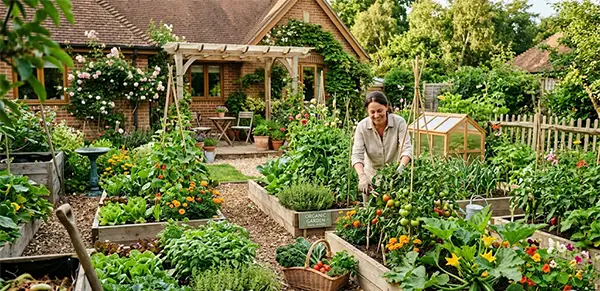
Organic gardening means using a natural approach to gardening. It not only protects your family’s health but is also an eco-friendly way. In this approach, you use natural compost, fertilizers, and natural pest control solutions.
This approach avoids the use of any synthetic method that may harm animals and humans. Chemical-free gardening helps in having sustainable green surroundings, good health of soil, conservation of water, and, most importantly, offering healthy produce. You can start organic gardening from a small space, too.
Let’s dive into the next section to know the ways of how to grow plants without chemicals.
Did you know?
According to the study done by the National Center for Biotechnology Information, soil in organic farms can store more carbon. It helps to mitigate climate change.
How to Grow Plants Without Chemicals? Best Organic Gardening Tips
Have you ever tried to grow plants without chemicals? Did you find it difficult to succeed? If yes, then I will help you out with the right tools and tips to make your organic garden full of flavourful produce. The basics of organic gardening include choosing a suitable space for plants, using organic fertilizer, and chemical-free pest control.
Before moving on to the detailed tips, let’s see the tools first that you will need in your organic gardening journey:
Tools Needed to Start Organic Gardening
- Trowel
- Rake
- Weeder
- Dibbler
- Drip Irrigation Components
1. Get the Soil Tested and Ensure a Healthy Soil Mix
To have good and full-fledged organic plants at home, the soil plays the most crucial role, being the foundation of organic gardening. Get your soil checked to understand its composition and make it well prepared for planting. You can go to the local agricultural extension offices or to a private company to get your soil tested.
The test results will help you assess its pH levels and texture. It will also help in knowing which nutrients are required to be added to the soil. Mostly, soil is amended by adding compost, dry leaves, vegetables, or fruit peels. It helps in attracting microbes that are beneficial for plants to grow strong and resilient.
2. Choose a suitable space for plants to grow
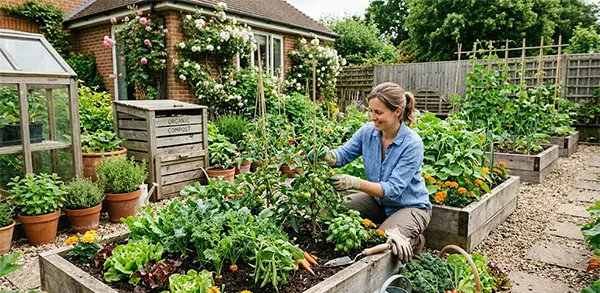
To choose a suitable place for plants is crucial. You can also start from the small corner of your house. I also did it; however, there are some requirements to remember.
- Select a place where the plant can get ample sunlight for 6-8 hours to grow.
- Ensure an adequate drainage system to protect them from diseases and support their growth.
- Make a suitable raised bed, or have a container or grow bags.
3. Selecting Organic Seeds and Plants
Now, to have organic seeds and plants is the next step to follow. The plant must be according to the space you choose. Pick the one suitable for the weather conditions of your surroundings. You should go for organic seeds, which are not treated with any synthetic chemicals. I have grown a diverse range of plants in my organic garden, including radishes, peas, beans, and thyme.
4. Composting and Organic Fertilizers
To make plants reach their full potential, it is crucial to compost and fertilize them with natural fertilizers. Plants need many nutrients to grow. To fulfill it, feeding them with the right fertilizer is essential. Check out the list below:
- Animal-based fertilizers
- Animal-based manure
- Plant-based fertilizers
Using these is like a quick fix for your plants to grow at their best. You can get these from local gardening shops.
Compost is another way to provide nutrients to the plants. You can use kitchen waste itself, such as vegetable peels, fruit peels, eggshells, paper, and cardboard.
One can visit a local garden center and get different compost, like mushroom compost, worm castings, and all-purpose compost. While composting, balance the greens (food scraps and fresh grass) with browns (dry leaves and twigs) to prevent odour.
5. Timely Watering and Daily Check
Water timing and frequency are significant aspects of organic gardening. Both overwatering and underwatering can lead to damage to the health of plants. You need to understand the water rhythm of the plants you grow and act accordingly. I prefer to use drip irrigation to water the plants deeply; it is a time-efficient way that saves water.
On the other hand, do not forget to keep a daily check on plants so that you can analyze the growing process. Walk in your garden to check if there are any signs of problems. Check the leaves for pests, yellowing, curling, and white patches. Focus on solving the issues as early as possible. If any plant is affected, isolate it immediately and treat it to prevent the spread.
6. Use Chemical-Free Pest Control
Even though you are doing chemical-free planting, it is still necessary to control pests. So, sustainable farming includes organic ways to control pests.
- One of the best ways is to use neem water spray or neem oil.
- Plant fennel or yarrow; it will invite some good insects that act as a natural protection for the plants.
- Handpick caterpillars and put them away in soapy water.
- Other than these, you can go for insecticidal soap spray, horticultural oil, and diatomaceous earth.
7. Practice Crop Rotation
Crop rotation refers to the practice of growing distinct, unrelated crops in the same area year after year. It is a significant aspect in organic gardening that reduces the risk of soil depletion, pests and diseases, and weak plants.
The best method to rotate the plants is not to grow the same family of plants in the same spot. For instance, don’t grow potatoes and eggplants in the same area, as they belong to the same nightshade family. Go for other crops like peas and beans to fix the soil first.
8. Use Companion Planting
Companion planting refers to the benefit from the positive relationship between certain plants. Some plants help each other’s growth when they are planted together. For example, one plant may repel the pests and another enhance soil and attract the pollinators. Though, in contrast, some plants may affect their growth in a negative way. Therefore, it is important to plant them carefully.
Did you know?
As mentioned on the IFOAM Organics Europe website, organic farming increases biodiversity richness by 30% on average.
Top Organic Plants That Anyone Can Grow Easily
If you are looking for some easy-growing organic plants to try, then you are in the right place. The plant varieties like tomato, strawberry, kale, and oregano are great for beginners. Below, I have mentioned the best plant options for organic gardening:
1. Tomato
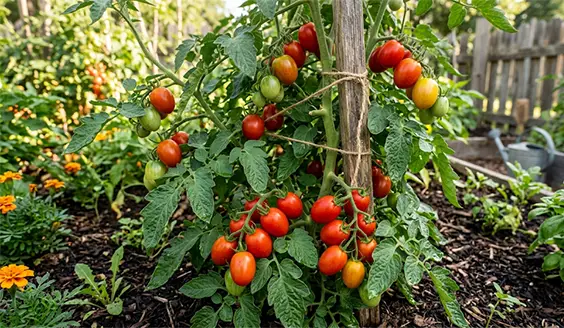
I particularly love the taste of homegrown tomatoes. They are super easy to grow, though they need consistent water and sunlight. Plant the tomato in a large container or in the garden to encourage its growth.
| Hardiness Zones | USDA zones 2-11 |
| Water Requirements | Keep the soil well moist but not soggy. |
| Sunlight Preference | Requires at least 6-8 hours of direct sun every day. |
| Soil Needs | Loose, well-drained soil. Preferably sandy and loamy soils. |
2. Lavender
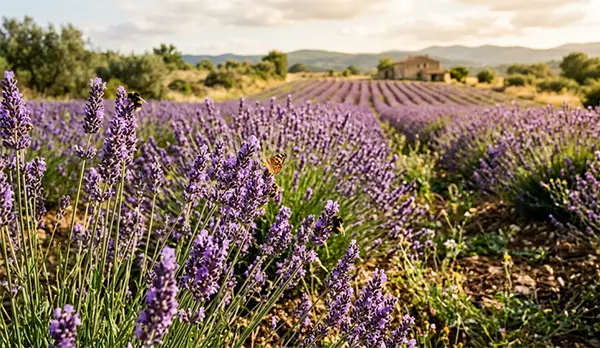
Lavender is an easy-to-care-for plant in your organic herb garden. It is a drought-tolerant perennial that features purple-hued flowers with soothing scents. The plant has medicinal benefits; it is believed to improve sleep and reduce stress.
| Hardiness Zones | USDA zones 5-9 |
| Water Requirements | It is a drought-tolerant plant. Water the soil when it is completely dry. |
| Sunlight Preference | At least 6-8 hours of sun is necessary for maximum flowering and oil production. |
| Soil Needs | Prefers sandy and loamy soils. |
3. Basil
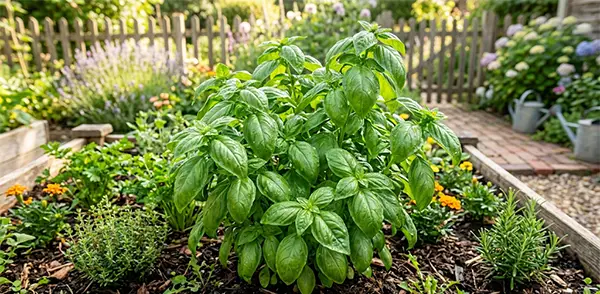
Basil is a highly aromatic culinary herb that is well known for sustainable gardens. Growing 18-24 inches tall, it is a great plant for container gardens and raised beds.
| Hardiness Zones | USDA zones 4-10 |
| Water Requirements | Water the plant when the top two inches of the soil are dry. |
| Sunlight Preference | Requires 6-8 hours of full sun every day. |
| Soil Needs | Use well-drained sandy loam. |
4. Carrot
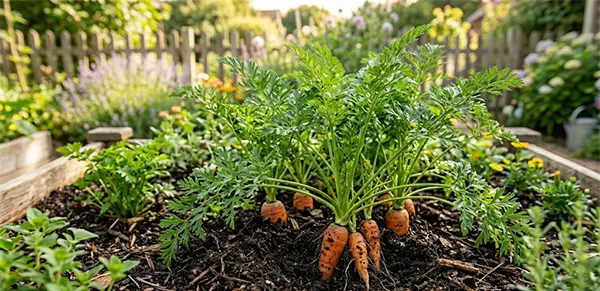
Organic carrots provide a much sweeter taste compared to the conventional varieties. I grow them in raised beds. It provides better weed control and drainage. Ensure that your raised bed or container is 12 inches deep, as carrots need more vertical space to thrive.
| Hardiness Zones | USDA zones 3-10 |
| Water Requirements | Keep soil well-moist but not waterlogged to prevent cracking. |
| Sunlight Preference | Require at least 6-8 hours of direct daily sunlight |
| Soil Needs | Use loose and sandy soil that is free of stones and rocks. |
5. Oregano
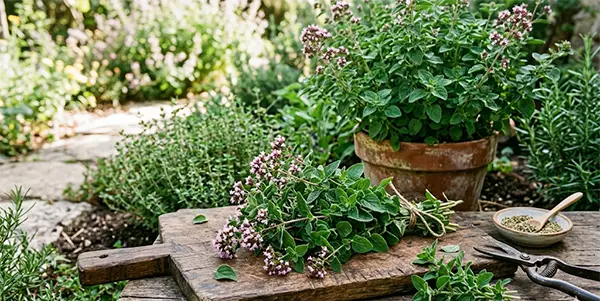
I love to grow oregano as it is highly useful as a flavour addition to pizza and pasta in my home. Apart from the cooking usage, it features aromatic leaves and pink and white flowers that enhance the look of the garden.
| Hardiness Zones | USDA zones 4-9 |
| Water Requirements | It is a drought-tolerant perennial, water when the soil is completely dry. |
| Sunlight Preference | Needs at least 6-8 hours of direct light. |
| Soil Needs | Grows in well-drained sandy, sandy loam, or gravelly soil. |
6. Kale
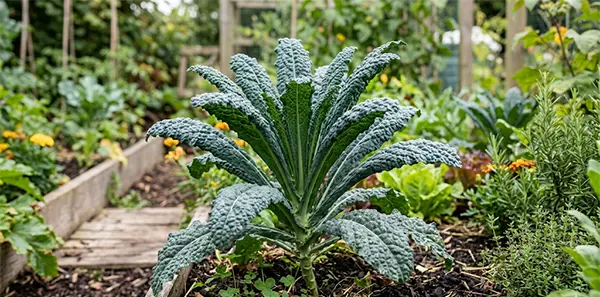
Kale is a leafy vegetable that is super easy to grow in pots and containers. It is a highly nutritious vegetable that provides many health benefits. Furthermore, it is greatly valued for its ability to grow in cold weather.
| Hardiness Zones | USDA zones 3-9 |
| Water Requirements | Sufficient water is needed for tender and high-quality leaves. |
| Sunlight Preference | Requires abundant sunlight, ideally more than 6 hours a day. |
| Soil Needs | Use well-drained, fertile loamy soil. |
7. Strawberry
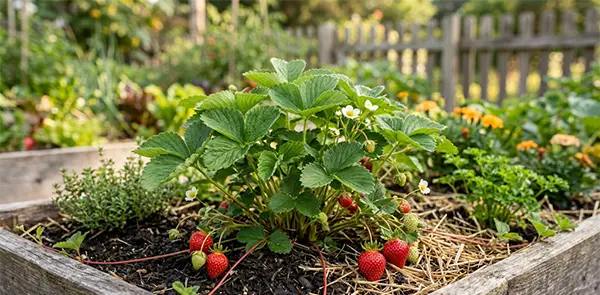
Strawberries are little perennials that are easy to grow without chemicals. The organic strawberries are found to be tastier than the market-bought ones. I prefer to grow these plants in a traditional row garden style, though you can plant them in containers as well.
| Hardiness Zones | USDA zones 3-10 |
| Water Requirements | Needs regular watering to keep the soil moist but not waterlogged. |
| Sunlight Preference | At least 6-8 hours of sunlight is needed for maximum yield |
| Soil Needs | Use well-drained sandy loam soil. |
Benefits of Organic Gardening at Home
Above, I have shared my experience to guide you on how to do natural gardening. The process is highly beneficial for home growers as it leads to healthy and fresh veggies and fruits, and supports greenery in the home. Now, let’s see the benefits of environmentally friendly gardening in detail:
1. Healthy Food to Eat
Organically grown yields provide your body with a healthy internal strength, which chemical-based gardening does not. Organic gardening will protect your body from absorbing harmful chemicals. Therefore, you and your family have a healthy life.
2. Better Taste and Nutrition
Organically grown vegetable plants not only provide you with health benefits, but they also taste better. They have more necessary vital vitamins and minerals like potassium, vitamin C, calcium, etc.
3. Good for the Environment
Organic gardening greatly supports the environment. It eliminates the synthetic pesticides and fertilisers, reducing the chemical runoff into the water sources. Chemical-free gardening fosters biodiversity and keeps the soil naturally healthy through composting.
4. Fresh Fruits and Vegetables
Natural gardening serves your family with fresh fruits and vegetables. In the market, to preserve freshness, injections are used. With immediate farm-to-table harvesting, Homegrown veggies and fruits have higher antioxidant levels and better taste than the store-bought ones.
5. Keep Your Home Green and Cool
Organically grown plants make your house greener by promoting a healthier ecosystem and supporting biodiversity. Plants provide shade that protects from heat strokes, keeping the surroundings naturally cool. Organic gardening works with nature rather than against it, transforming the home into a sustainable sanctuary.
Conclusion
In conclusion, organic gardening is a simple, effective, and beneficial approach in the long run. It offers a sustainable way of growing fresh and healthy plants without harming the environment and your health with chemicals.
Anyone can try this chemical-free gardening and create a safe and productive garden. Eco-friendly planting has many benefits that have already been discussed above. If you have not thought of doing this sustainable gardening, you must try it once. It will make your life greener and help you have a healthy lifestyle.
Can organic gardening be done in a small space?
Yes, you can do organic gardening even in a small place. You can purchase grow bags from the market, which helps you have an easy way of planting your seeds in a small space.
What are the points that a beginner needs to remember when doing organic gardening at home?
Start small, pick the right spot having 6-8 hours of sunlight, check the soil quality, buy seeds of the same species of plants that make it easy for you to take care of, and learn the watering rhythm. Most importantly, go slow but steady.
Name some tried and tested plants for chemical-free gardening.
Some tried and tested plants for chemical-free gardening are Basil, cucumber, chilies, bitter gourd, tomatoes, and aloe vera.
Why are people moving towards organic farming?
People are adapting to organic farming because it serves chemical-free vegetables and fruits. Keep surroundings toxin-free and maintain cortisol and mood levels.
Why is it a necessary step to test the soil before planting?
It is a necessary step to execute because the right pH level of the soil is important to absorb adequate nutrients and minerals.
- Try organic gardening – BBC
- 10 organic gardening tips – BBC Gardeners’ World Magazine
- Organic vegetable gardening – The University of Arizona
- Vegetable Gardening – National Agriculture Library
- Basics of Organic Vegetable Gardening – Maine Organic Farmers and Gardeners