


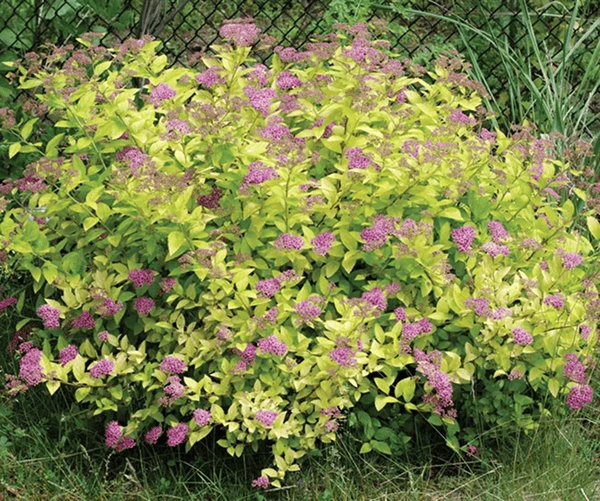
Spirea is one of the most commonly found plants, appreciated for its beautiful flowers in various hues of pink, white, red, and purple. It is a low-maintenance plant that does not demand much attention, making it perfect for both beginners and pro gardeners. This bush is tolerant of a wide range of conditions, including drought, heat, cold, humidity, and poor soil.
The spirea plant also attracts pollinators like butterflies, bees, and hummingbirds, making it a perfect addition to your pollinator-friendly garden. To know more about its maintenance, care, Spirea types, and their taxonomy, read the article below.
Taxonomy and Ideal Growing Conditions For Spirea
Spirea is a hardy deciduous shrub with attractive foliage and aesthetic flowers. The plant is not fussy about many things and is also known for its drought-tolerant nature. Spirea performs best in full sun, which encourages more blooms. For more general information, here is the taxonomic overview and ideal growing conditions of the plant-
| Botanical name | Spiraea spp. |
| Kingdom | Plantae |
| Order | Rosales |
| Family | Rosaceae |
| Subfamily | Amygdaloideae (formerly Spiraeoideae) |
| Genus | Spiraea |
| Characteristic | Showy |
| Hardiness | 4 to 8 USDA zones |
| Light Requirements | Bright, direct sunlight for 6+ hours a day. |
| Maintenance | Low |
| Plant type | Perennial, shrub |
| Flower colour | Red, pink, purple, and white |
| Soil | Well-drained, rich, loamy soil with pH levels of 6 to 7. |
| Water Requirements | Spireas require regular watering during their growing season. Later, let the soil dry partially between two watering sessions. Note- do not overwater the plant as it can cause root rot. |
| Mature size | 2 to 8 ft. tall and 6 ft. wide |
| Fertilizers | The Spireas are not heavy feeders. You can fertilise the plant in early spring with slow-release fertilisers. |
| Native area | Europe and North America |
Popular Varieties of Spirea Plant
There is a wide range of spirea varieties available for you to select from. Here are some of the commonly found types of spirea with their description:
| Variety | Description |
Japanese spirea (Spiraea japonica) 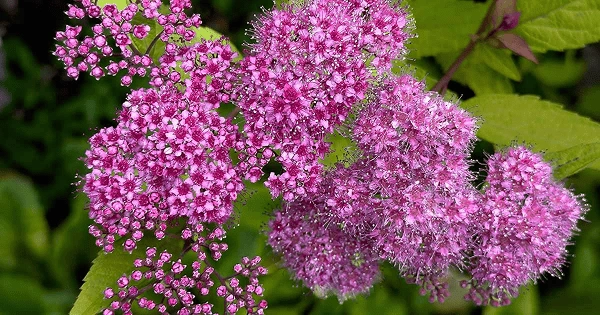 | This variety of spirea comes in the widest colour range. The flowers bloom from late spring to summer in various hues of red, pink, purple, and orange. |
Birchleaf spirea (Spiraea betulifolia) 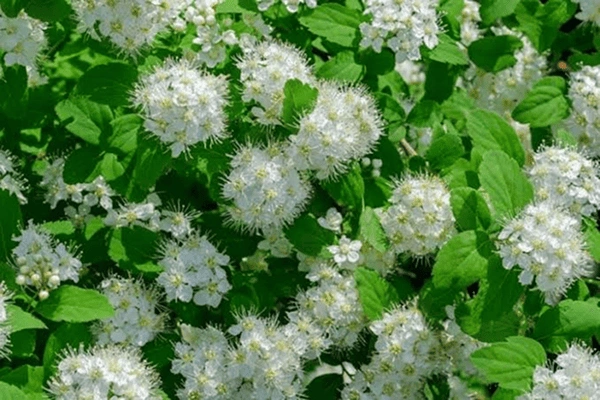 | Birchleaf spirea has a dense mounding habit with white flowers and green leaves. |
Birchleaf spirea ‘Glow Girl’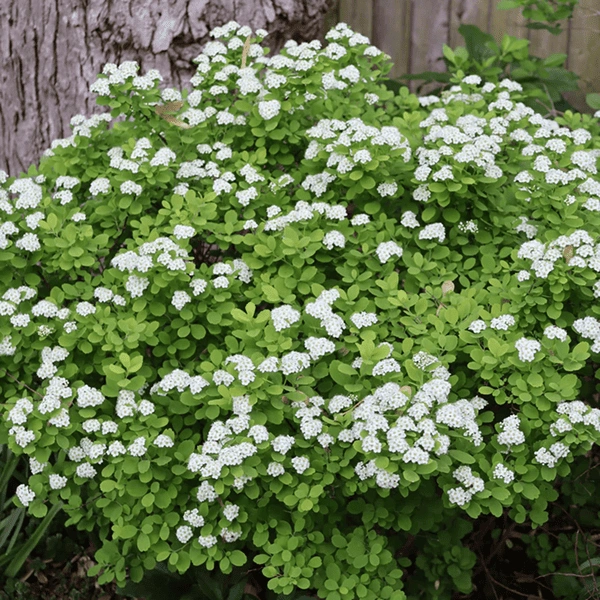 | Glow Girl is a golden-leafed version of ‘Tor’ situated in northern regions. The plant offers yellow new foliage that fades to chartreuse. It blooms with snow-white coloured flowers. |
Nippon spirea (Spiraea nipponica) 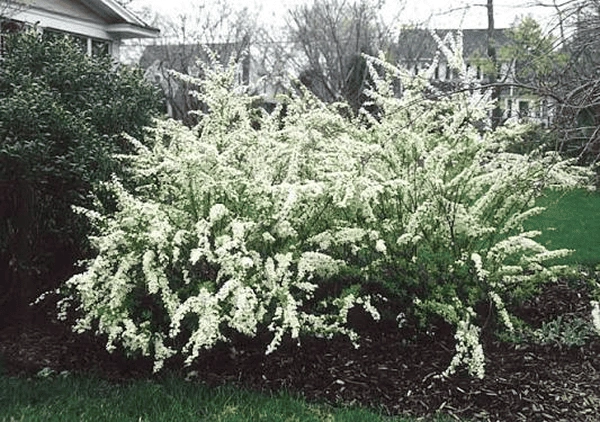 | It is also known as snowmound Nippon spirea. This plant type has an upright cascading habit and blue-green foliage that turns yellow during the fall season. |
Double Play Doozie 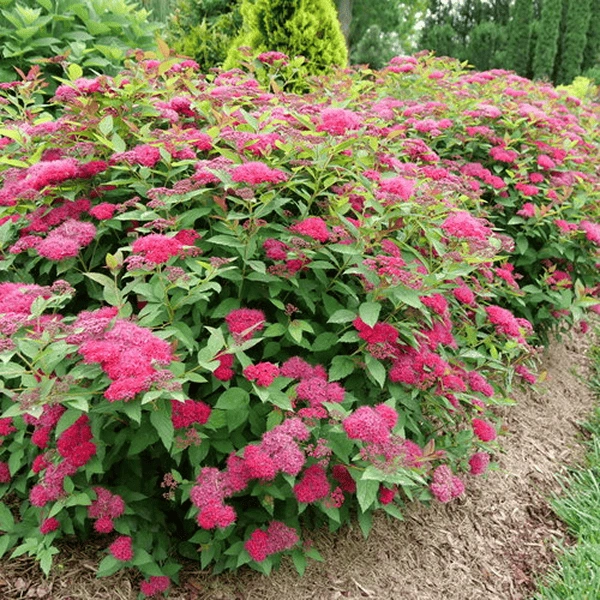 | Double Play Doozie Spirea is one of the most innovative flowering shrubs. It is the first reblooming species and does not produce seeds. The plant blooms from early summer to frost. |
Double Play Blue Kazoo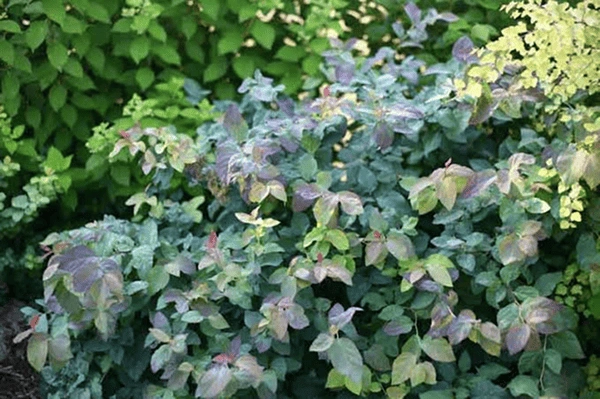 | It has blue leaves that emerge in spring. The leaves shift their colour throughout the growing season and bloom with white flowers in summer. |
How to Grow a Spirea?
Spirea can be easily planted using seed. It takes around a year of growing in a pot or container before the plant is strong enough to be planted in the ground. Here is the step-by-step process that you can follow to grow a spirea plant:
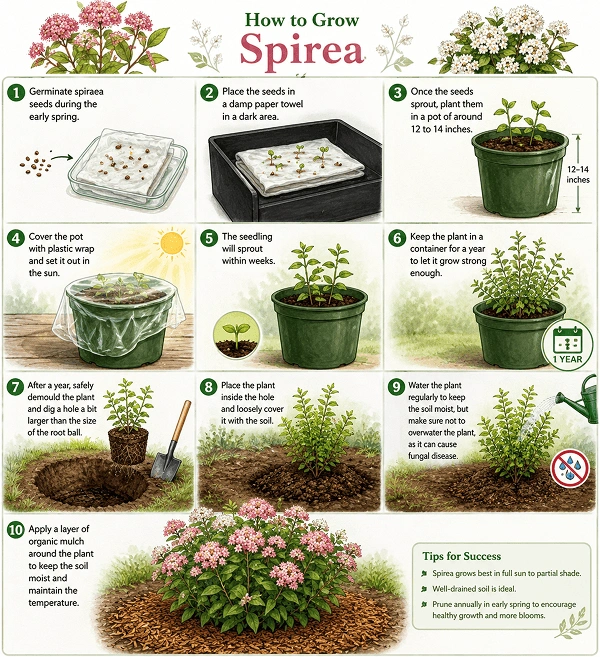
- Germinate spiraea seeds during the early spring.
- Place the seeds in a damp paper towel in a dark area.
- Once the seeds sprout, plant them in a pot of around 12 to 14 inches.
- Cover the pot with plastic wrap and set it out in the sun.
- The seedling will sprout within weeks.
- Keep the plant in a container for a year to let it grow strong enough.
- After a year, safely demould the plant and dig a hole a bit larger than the size of the root ball.
- Place the plant inside the hole and loosely cover it with the soil.
- Water the plant regularly to keep the soil moist, but make sure not to overwater the plant, as it can cause fungal disease.
- Apply a layer of organic mulch around the plant to keep the soil moist and maintain the temperature.
Ideal Caring Tips For Spirea Plant
While growing spirea, you must be aware of certain things, which include soil, position of the plant, frost tolerance, spacing, and feeding. Here is the list of care tips for the better growth of the spirea plant:
- Use fertile, well-drained soil enriched with compost.
- The soil must be neutral to slightly acidic in nature, with the pH levels between 6.0 and 7.0.
- Choose the location with full sun to partial shade.
- Spireas are known to be hardy deciduous shrubs and can tolerate winter temperatures to -35 degrees Fahrenheit.
- Mulch the plant base with rotted manure in early spring. This helps maintain the soil temperature and suppresses weeds.
- If you are planting multiple saplings of the spirea plant, place them around 4 inches away from each other. This is essential because it helps the plant to spread fully and provides better air circulation.
- Only fertilise the plant once a year during the spring season with slow-release fertiliser.
- Do not overwater the plant, as it can cause the roots to rot. Let the soil dry partially between watering.
Common Pests and Problems Associated With the Spirea
The most common pests that can attack your spirea plant are aphids and spider mites. You can simply keep a check on your plant to look for these pests. If they attack your plant, use natural pesticides like neem oil and a strong spray of plain water.
In case you have planted the spirea shrub in a shaded location, your plant might become the victim of powdery mildew. Therefore, location plays an important role in a plant’s healthy growth.
The common problems associated with the spirea plant are root rot, which is caused by overwatering and white spots on leaves that can be the reason for improper sunlight, humid conditions, and poor air circulation. To avoid these problems, do not overwater your plant and ensure the plant receives maximum sunlight.
Takeaways
The spirea plant is admired for its aesthetic qualities, but the plant has much more to offer. It is a pollinator-friendly plant that attracts pollinators like bees, butterflies, and hummingbirds. The plant is also known for its medicinal properties that can be traced back to ancient times.
The spirea bush can thrive for up to around 20 years if gently cared for. All you need to do is fertilise the plant once a year during spring, water it regularly, and prune the plant at the ideal time.
If you are someone who is really interested in making your space more lively, here is the sign to start gardening with a long-lasting plant that offers blooms in various hues and different foliage: SPIREA. Happy planting!
What is the best time to sow and plant Spirea?
The best time to sow and plant spirea is during the spring season in a container.
When to trim Spirea shrubs?
For the maximum blooms and plant maintenance, the plant should be trimmed in late winter or early spring.
How to care for Spirea?
Spirea requires minimal care. You need to water the plant once the top layer of soil partially dries, place the plant in full sunlight, and fertilise the plant only once during the spring season.
When to prune Spirea?
The ideal time to prune spirea completely depends on the blooming cycle of the plant. Generally, spring-blooming varieties are pruned immediately after their flowers fade, and summer-blooming varieties are pruned in late winter or early spring.
How big do spirea bushes grow?
The spirea bush grows around 2 to 10 ft. tall and wide.
How long does a spirea plant live?
If you care for your spirea plant properly, it can live up to around 20 years.
- Spirea: Britannica