

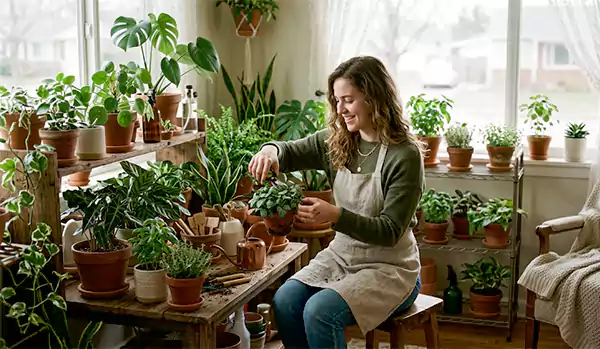
Indoor plants are popular among gardeners as they bring colour and architectural structure to the interior spaces. These plants are easy to maintain and add a natural elegance to homes and offices with minimal effort.
Beyond their beauty, they are also believed to provide health benefits with air purification and humidity regulation qualities. With years of being an indoor gardener, I have grown many houseplants, including Aloe vera, Snake plant, and golden pothos.
If you wish to know the best indoor plants, their secrets of soil, water, and light, come along and explore this detailed guide on indoor gardening.
12 Best Indoor Plants For Home Decor
If you want to start an indoor garden from scratch, the choices of plants are limitless for you. Whether it be a structural snake plant, sculptural Monstera or elegant peace lilies, all of them add something unique and aesthetically pleasing to any room. Let’s see some of the best indoor plants before moving on to their types:
1. Snake Plant
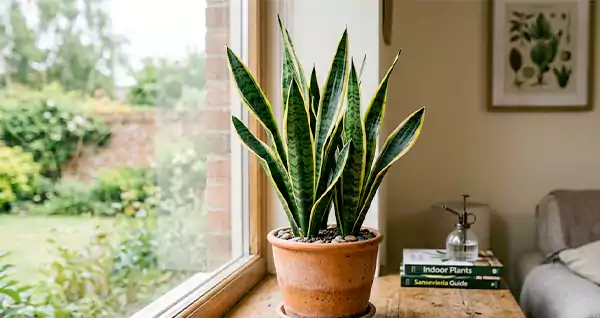
Snake plant (Dracaena trifasciata) is a resilient houseplant that features long, dark green leaves. The perennial is commonly 1-3 feet indoors, though it can reach 6-7 feet. Its vertical, rigid leaves add a sculptural element to the indoor spaces.
| Growing zone | USDA zones 10-12 |
| Light requirements | Can thrive in low light conditions, but for optimal growth, the bright indirect light is ideal. |
| Watering needs | Water only when the soil is completely dry. Avoid overwatering, which causes root rot. |
| Soil preference | Well-draining succulent or cacti potting mix. |
2. Pothos
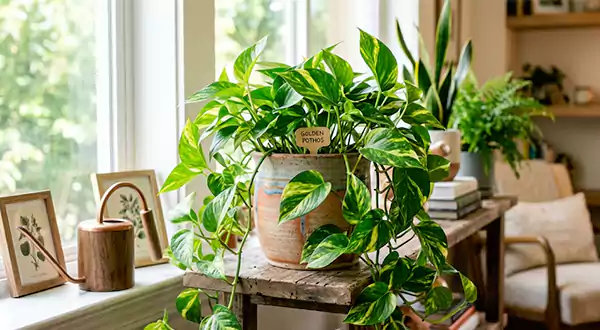
Pothos (Epipremnum aureum) is one of the easy-to-care-for Indoor gardening plants. It is loved by planters due to its heart-shaped, glossy leaves. I have golden pothos in my kitchen area that features yellow and green leaves.
| Growing zone | USDA zones 10-12 |
| Light requirements | Needs bright indirect light for best variegation and growth. Tolerant of low light, partial shade, and artificial light. |
| Watering needs | Allow the 1-2 inches of the soil to dry out between watering sessions. |
| Soil preference | Prefers high-quality loamy soil, with an even mix of sand, silt, and clay. |
3. ZZ Plant
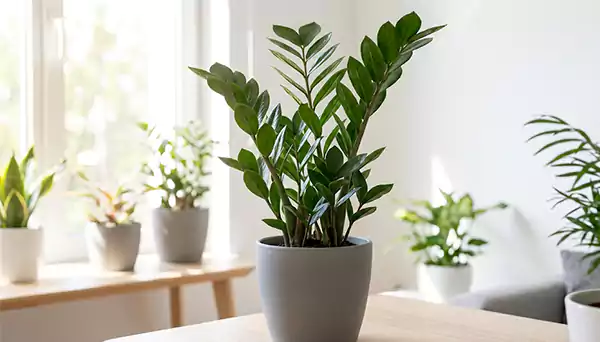
ZZ plant (Zamioculcas zamiifolia) is one of the best indoor plants with green glossy foliage. Though some of the new varieties feature purple leaves, which adds to their aesthetic value. It can reach a height of 2-3 feet and occasionally produces cream coloured flowers.
| Growing zone | USDA zones 10-11 |
| Light requirements | Prefers bright indirect light but is tolerant of low light and north-facing windows. |
| Watering needs | These plants have succulent rhizomes that store water. Water every 2 weeks in summer and spring, and every 4 weeks in fall and winter. |
| Soil preference | Well-draining succulent or cactus potting soil mixed with perlite. |
4. Monstera
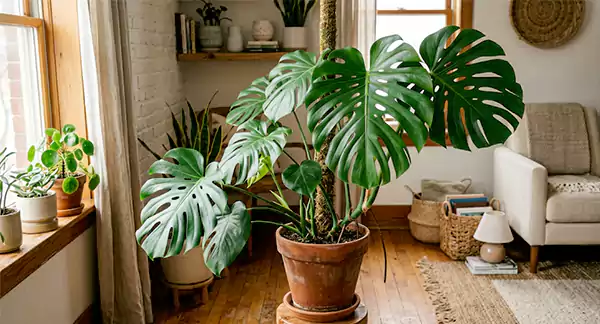
Monstera plant (Monstera deliciosa) is a tropical climbing evergreen native to the rainforests of Central America. This is one of the low-maintenance houseplant indoor plants that is well known for its large fenestrated leaves.
| Growing zone | USDA zones 10-12 |
| Light requirements | Needs bright indirect light to thrive well. Can adapt to low light conditions but will grow more slowly. |
| Watering needs | Water when the top 1-2 inches of the soil feel dry. It doesn’t prefer soggy soil, which leads to root rot. |
| Soil preference | Well-draining soil with slightly acidic to neutral pH. |
5. Spider Plant
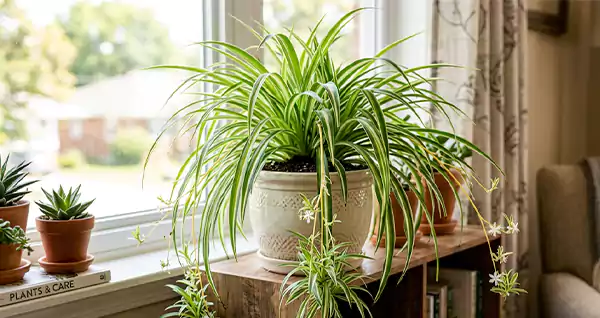
Spider plant (Chlorophytum comosum) is a popular houseplant from the Asparagaceae family. It is called the spider plant because its hanging stems resemble a spider’s legs. Native to South Africa, the plant can also be grown outdoors in warmer climates.
| Growing zone | USDA zones 9-11 |
| Light requirements | Bright to moderate indirect light, avoid keeping it in direct sunlight, as it can scorch the leaves. |
| Watering needs | Can tolerate some neglect as their thick roots store water. Water when the top inch of the soil feels dry. |
| Soil preference | Well-draining potting mix. |
6. Peace Lily
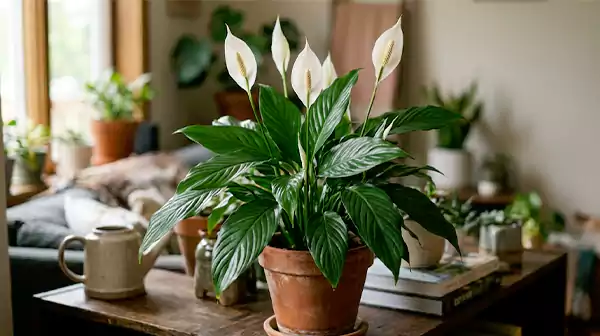
Peace lily is a gorgeous tropical houseplant that enhances the indoor look with beautiful white flowers. The flowers are actually a combination of a white modified leaf and the spadix.
| Growing zone | USDA zones 10a-12b |
| Light requirements | Needs bright indirect light, ideally. Though it is well-tolerant in low light conditions, it may not bloom frequently. |
| Watering needs | Water every 1-2 weeks, and avoid letting them sit in the standing water. |
| Soil preference | Use a rich potting mix often mixed with perlite. |
7. Rubber Plant
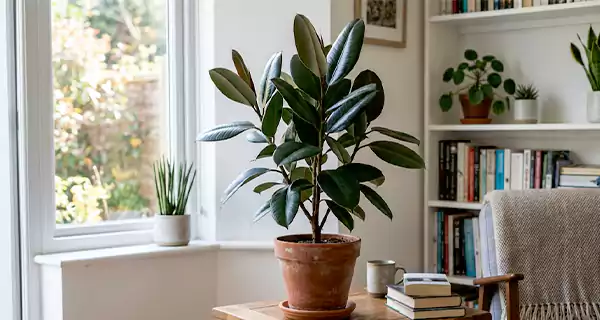
The rubber plant (Ficus elastica) is loved by planters for its tree-like form and leathery leaves. This medium-sized plant houseplant is available in many varieties, including burgundy and ruby. It is perfect as a focal point in homes due to its unique appearance and fast growth.
| Growing zone | USDA zones 10-12 |
| Light requirements | Need a bright light but not direct sunlight. The direct light can lead to dull leaves. |
| Watering needs | Keep the plant consistently moist in the summer. In winter, during its dormancy, water it once or twice a month. |
| Soil preference | Use well-draining and aerated soil. |
8. Areca Palm
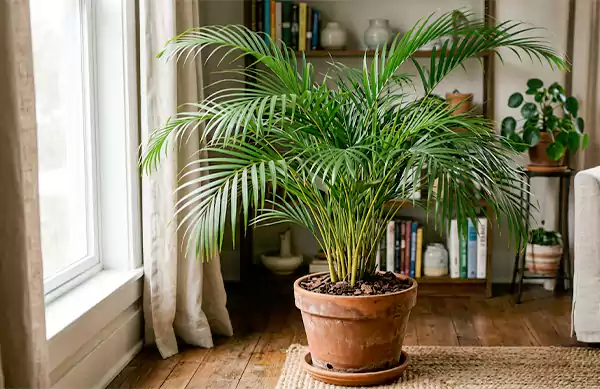
Areca Palm (Dypsis lutescens) is a tropical air-purifying plant cherished for its feathery fronds. It is one of the best floor plants that thrives best in a humid, warm environment. In many traditions, it is believed to bring prosperity and positivity to the house.
| Growing zone | USDA zones 10-11 |
| Light requirements | Grows best in filtered sunlight. Avoid keeping it in direct sunlight, which can cause the leaves to scorch. |
| Watering needs | Water when the top inch of the soil feels dry. Reduce the watering frequency in winter. |
| Soil preference | Use well-drained, slightly acidic soil. |
9. Heartleaf Philodendron
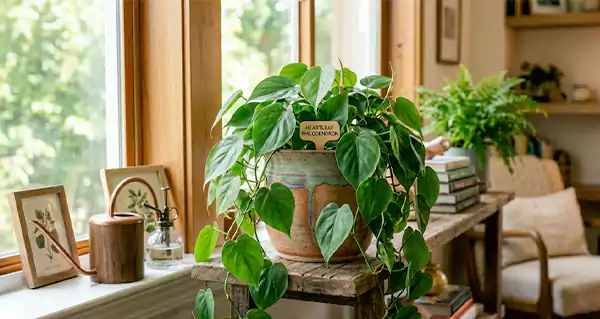
Heartleaf philodendron (Philodendron hederaceum) is a tropical houseplant recognised for its fast growth and glossy green leaves. Due to its low-maintenance nature and high adaptability, it is a great plant for indoor gardening.
| Growing zone | USDA zones 10-12 |
| Light requirements | Bright, indirect light is ideal, but tolerant of low light conditions. |
| Watering needs | Water when the top 1-2 inches of the soil feel dry. |
| Soil preference | Prefers well-drained potting mix with slightly acidic to neutral pH. |
10. Fiddle Leaf Fig
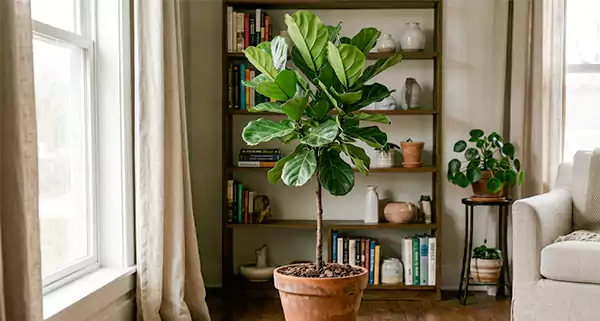
Fiddle leaf fig (Ficus lyrata) is an admired plant for houseplanting and bringing a jungle vibe to the home. The ornamental plant is known for its broad leaves that have a leathery texture. Native to West Africa, the plant can grow 40 feet in its natural habitat and 2-10 feet indoors.
| Growing zone | USDA zones 10-12 |
| Light requirements | Grows best in bright, filtered light. |
| Watering needs | Water when the top 1-2 inches of soil feel dry. Use room temperature water to prevent shocking the plant. |
| Soil preference | Use well-drained, acidic loamy soil. |
11. Aloe Vera
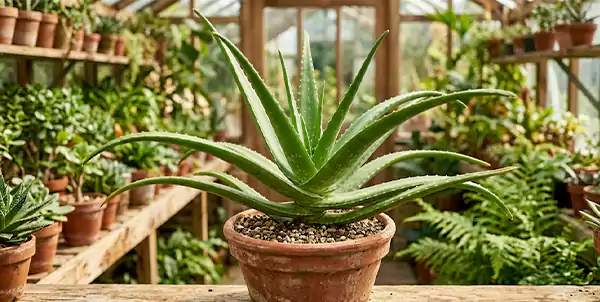
Aloe Vera (Aloe barbadensis Miller) features thick, succulent leaves that are filled with gel. The extracted gel is used for medicinal purposes worldwide. In the ideal growing conditions, the houseplant blooms with flowers in shades of orange, red and yellow.
| Growing zone | USDA zones 10-12 |
| Light requirements | When kept outdoors, it needs 6-8 hours of sunlight daily. Indoors, it prefers bright, indirect light. |
| Watering needs | Water the plant deeply but infrequently. Let the soil dry out between the watering sessions. |
| Soil preference | Use well-draining, sandy soil with slightly acidic pH. |
12. English Ivy
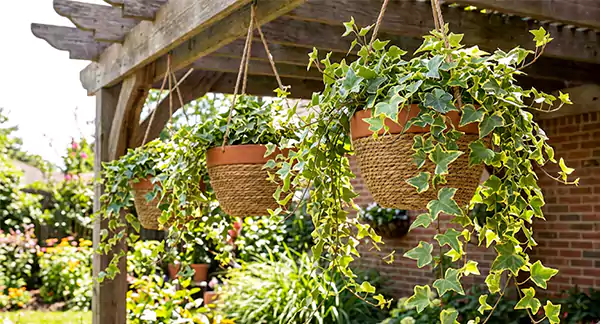
English Ivy (Hedera helix) is an easy-to-care-for houseplant that is available in distinct leaf shapes and vibrant colours. I have grown the gold child variety in hanging planters. It captures the attention of everyone with its grey-green leaves with golden margins.
| Growing zone | USDA zones 4-9 |
| Light requirements | Needs partial to full shade outdoors. Indoors, it can grow well in bright indirect light. |
| Watering needs | Water it consistently, but avoid waterlogging. |
| Soil preference | Adaptable to clay, sand and rocky soil but thrives best in well-draining loam. |
Types of Indoor Plants
The indoor plants are of many types, including the air-purifying varieties, flowering plants, and decorative foliage plants. I like to mix wide, distinct varieties in my indoor garden to maximise both the health benefits and visual appeal.
| Types | Description |
Air Purifying Plants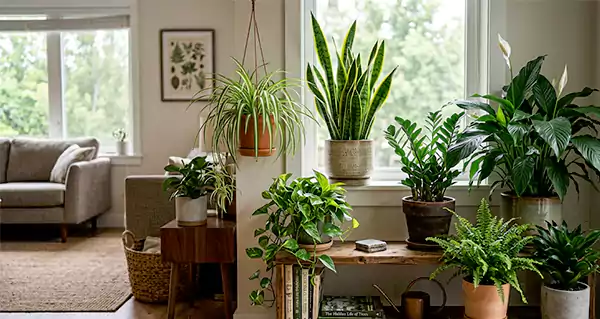 | These plants are found to improve the indoor air quality by removing toxins.
|
Flowering Indoor Plants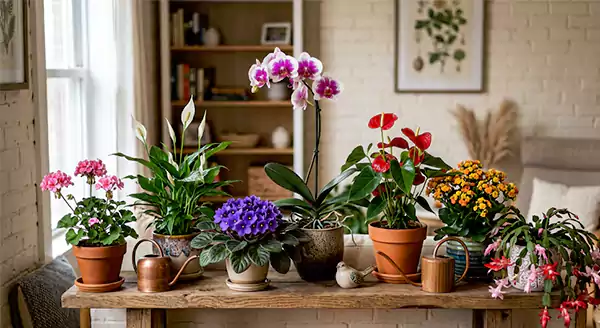 | These plants are perfect to add colour to your indoor gardening with differently shaped and vibrant blooms.
|
Succulents & Cacti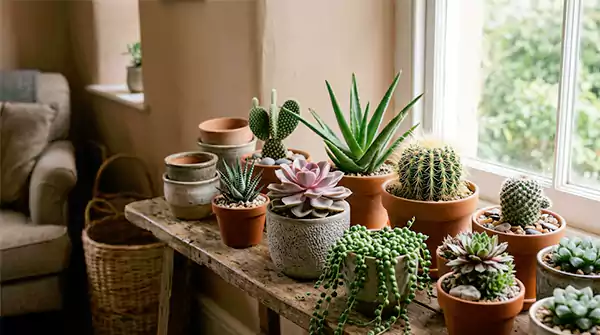 | Succulents & Cacti are easy to care for house plants with minimal watering needs. They are known to be drought-tolerant, perfect for the sunny spots.
|
Herbs and Vegetables 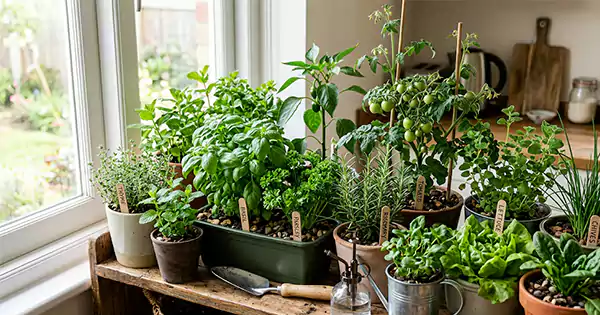 | Many vegetable and herb plants can grow in indoor plant stands and shelves. This allows me easy access when needing something for cooking.
|
Decorative Foliage Plants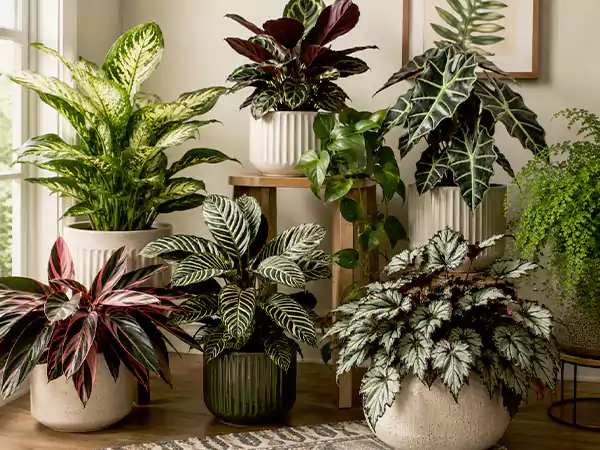 | Foliage plants are great for indoor gardening with distinctively shaped and coloured leaves.
|
How to Grow Indoor Plants? Essential Care Tips
In indoor gardening, you need to be careful of various components like water, light, fertilisers and pruning for successful growing. In short, mimic the comfortable environment of the houseplant, similar to its native habitat. Let’s see the essential care tips to make your indoor garden thrive:
- Water Wisely
Proper watering is the key to protecting your houseplants from diseases and pests. Instead of counting the days, check the soil with your finger or a moisture meter. Water the plant thoroughly when the top 1-2 inches of the soil feels dry. Use the room temperature water to avoid shocking the plant.
- Provide Adequate Light
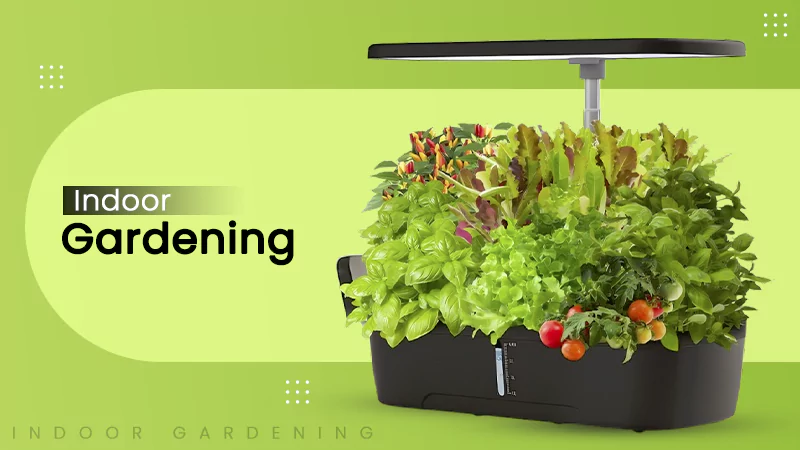
Most of the indoor plants thrive in bright to moderate light. If you want to keep the plant in a space where there is less natural light exposure, consider investing in an LED grow light. Do not keep the plants like succulent plants and cacti in low-light spots, as they require more light and struggle in dim areas. Additionally, rotate the plant every 2-4 weeks to ensure all sides receive equal light and grow evenly.
- Fertilize Regularly
Feeding the plant regularly with fertiliser supports its growth and longevity. Fertilise your indoor plants in their active growing season of spring and summer with the high quality fertilizer. Avoid feeding them in the winter and fall, when most of the houseplants are in their dormancy period.
- Repot When Needed
Repotting of the plant is one of the crucial indoor plant care tips. In some years, most of the houseplants outgrow their containers and need to be shifted to a larger pot. The best time for repotting is spring and summer, when the roots of the plant are actively growing. Transfer the plant to a pot that is about 2 inches larger than the previous one to encourage its vigorous growth.
- Provide Humidity and Keep at the Right Temperature
Humidity and temperature are other aspects of taking care of indoor plants that are often overlooked. Mostly houseplants thrive in 18-24 °C and prefer humidity to be more than 40%. Keep the plants away from cold drafts, air conditioners and heating vents to mimic their native growing environment. Furthermore, use a pebble tray or humidifier to boost humidity, especially in tropical houseplants.
- Clean and Prune Well
Dust accumulation on the leaves can inhibit photosynthesis and clog the pores. Regularly clean the foliage with a damp cloth or sponge to support its breathing. Also, prune the yellow and dead leaves to encourage new growth. You can also use the cuttings for propagation and expand your indoor gardening collection.
Common Indoor Plants Problems and Solutions
There are many challenges I have faced in my years of indoor gardening journey. For instance, yellow leaves, pest infestations, and brown spots on leaves. Let’s see each problem and its solution in detail:
| Problem | Solution |
| Yellow leaves Dull and yellow leaves indicate overwatering and potential root rot. | Allow the soil to dry out between watering sessions. Ensure that the pot has drainage holes and the plant is not standing in water. |
| Drooping and wilting Wilted and drooping leaves indicate that the plant is dry and being underwatered. | Water the plant well until the water drains from the bottom. Check soil moisture frequently. |
| Brown crisp leaf tips Low humidity or salt buildup can lead to yellow or brown leaf tips. | To boost humidity, mist the plant, use a humidifier or place the plant on a tray with pebbles and water. Furthermore, leach the plant with water to reduce the salt buildup. |
| Pest infestations Fine webbing, sticky residue, and white fluffy spots are some of the signs that the plant is affected by pests. | Isolate the affected plant immediately to prevent the spread to other plants. Wash the leaves with water and treat them with insecticidal soap. |
| Weak/leggy growth In this condition, plants stretch and lean towards light, indicating that they are getting insufficient light. | Move the plant to a brighter spot or closer to the window. |
| Brown spots/leaf spot disease Visible Brown or black spots on leaves. | Remove the affected leaves and improve air flow. Apply fungicide if needed. |
To Sum Up
Indoor gardening is a therapeutic hobby that makes the living space healthier and more vibrant. The plants like english ivy, aloe vera, ZZ plant, silver jew plant and rubber plant are great to bring nature indoors regardless of the season.
If you are a beginner, I would recommend starting with the low-maintenance varieties. With proper care measures of watering, light and fertilisers, you can ensure their optimal growth without much worry.
Are all indoor plants pet-safe?
No! There are many houseplants that are toxic to cats and dogs. Some popular choices, like aloe vera, asparagus fern, and peace lilies, are considered toxic to pets.
If you are a pet owner, some safe varieties are areca palm, parlour palm and spider plant.
What plants can I grow in my bathroom?
Tropical and humidity-loving plants are often grown in bathrooms. Popular varieties are philodendron, pothos and ferns.
Is indoor gardening right for me?
Indoor gardening is great for you if you enjoy taking care of plants and watching them thrive in your home. It is a calming hobby that enhances the look of the indoors, along with providing mental wellness.
Do I need fertilisers for indoor plants?
Yes! Indoor plants need occasional fertiliser to encourage their growth. The feeding is recommended during its active growing season of spring and summer.
How to increase humidity for the tropical plants?
To increase humidity, mist the plant regularly, use a humidifier or place the plant on a tray with pebbles and water.
- Serial houseplant killer? Here’s how to keep them alive– BBC
- Healthy House Plants: A Complete Guide to Gardening Indoors– BBC Gardeners’ World Magazine
- Indoor Gardens– University of Florida
- Houseplants– University of Florida
- Houseplant– Britannica