

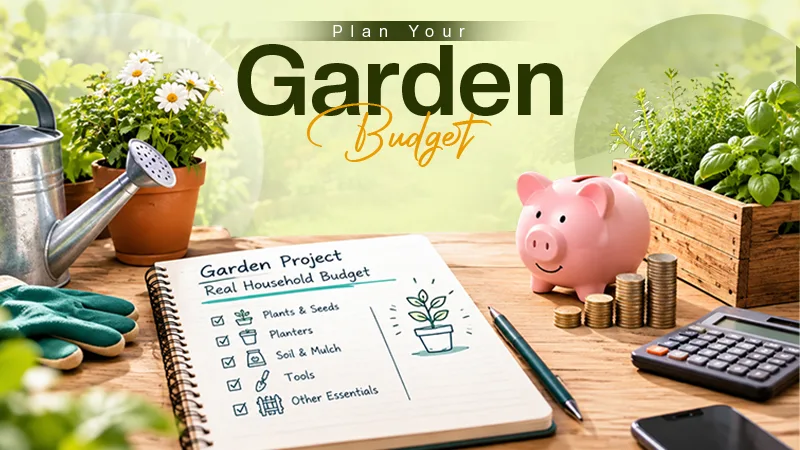
A garden project is actually more enjoyable when its costs fit the rest of the household plan. New planting, paths and irrigation can be managed in steps, but what matters more is that the price of materials is only one part of the decision. The other things, such as delivery, preparation, tools, and future upkeep, also need room in the budget. A good plan will allow you to improve the space you use most while keeping essential spending and existing commitments in view.
Start With the Problem The Garden Needs to Solve
Before you choose plants or finishes, decide what the space you want for. A family might need a safer route from the door to the lawn; another household may want shade, a small seating area or a low-maintenance border. Separate repairs and safety requirements also require extra care and charges. That difference is important when the quote comes, and the total is higher than expected.
Try to explore the garden at different times of the day. And record where water collects, which areas receive direct sun, and how people move through the space.
A plant that easily grows locally in available light and soil is often a better investment than a plant that is good for aesthetics.
Gardyna’s guide to sustainable gardening practices offers ideas such as composting and careful water use that can shape the plan before you buy anything.
Build a Budget That Includes the Hidden Work
Make a list of the prices of each stage, such as ground preparation, materials, delivery, labour, plants, tools, and disposal of old materials. If a contractor is involved, directly ask for a written breakdown of what the quote includes.
Check who will remove waste and what happens if work uncovers a drainage or ground-level issue. Keep a separate allowance for surprises rather than treating every pound of the available budget as money to spend on visible features.
The RHS guide to budget-friendly garden design is a useful starting point for prioritising layout and planting without assuming a complete redesign is necessary.
Honestly, reusing sound materials, dividing existing plants where suitable and improving one bed at a time can make a meaningful difference. A smaller first phase also gives you time to see how the garden performs before committing to the next one.
Choose Plants for the Upkeep You Can Sustain
If you think that you spend less money for a planting scheme and it becomes expensive, it might not be true. Some choices need more watering, feeding, pruning, or replacement than others. Think about how often you care for the space and whether access to water is straightforward. For gardeners who want to reduce chemical inputs, Gardyna’s article on growing plants without chemicals provides practical ideas to explore alongside the conditions in your own garden.
To avoid this, buy in stages if possible.
Begin with the structure that makes the space usable, then add planting after you know where people walk, sit and store tools. This minimizes the chance of paying twice to move a bed or replace a plant placed in the wrong conditions.
Keep The Garden Decision Separate From Existing Debt Pressure
A garden improvement might be better, but it should not crowd out rent or mortgage payments, food, utilities or existing credit repayments.
If you already have a lot of debts to manage, try to resolve that situation before committing to any project.
Some households research consolidation loans as one way to combine repayments. This type of decision requires its own comparison: look at the total amount repayable, fees, term, eligibility and any risk attached to secured borrowing, instead of judging it by a smaller monthly payment alone. MoneyHelper’s debt consolidation guide explains when consolidation may help and when it could cost more.
Try not to use a new borrowing arrangement as an automatic reason to increase the garden budget. If the household finances are tight, the practical answer may be to postpone the non-essential work, save for a smaller stage or seek free debt guidance before making another commitment.
Set a First Phase and a Stopping Point
Note down the first phase, its maximum cost, and the result it must deliver. For example, repairing a damaged path and establishing one suitable planting area is a more measurable goal than “finish the garden.” Verify all pieces before ordering, keep receipts in check, and review the running total after each purchase. If the contingency starts being used for optional upgrades, pause and decide which item can wait. If the contingency starts being used for optional upgrades, take a pause and decide which item can wait.
The best garden plan is the one that you can easily manage and comfortably pay for. Working in stages leaves room to learn from the space, adjust the design, and enjoy the progress without turning a home improvement into a source of financial strain.
What is the best outdoor plant for lazy people?
The best outdoor plant for lazy people is Sedum (Stonecrop); it’s a succulent and thrives easily.
What is the easiest plant to keep alive outside?
Daylilies are the easiest plant to keep alive outside.
What plant stays alive the longest?
The plant that stays alive the longest is the Great Basin bristlecone pine.