Indoor plants have been used for many purposes other than traditional landscaping. Many plants release essential oils that help repel mosquitoes. This also helps in creating a more ecologically friendly environment.
Mosquito repellent plants are an ecological alternative to expensive sprays and medicines, with varied uses beyond this. So if you are planning to start a garden from scratch, I would recommend planting some mosquito plants for an easier start and a mosquito-free garden.
Come along as I take you through 10 mosquito plants along with their benefits and features.
Quick answer
Mosquito repellent plants release essential oils, which help deter mosquitoes. Some popular mosquito plants are Marigold, holy basil, lemongrass, neem, lavender, rosemary, lemon balm, sage, garlic creeper, and catnip. They work best when crushed and rubbed against the skin; simply planting them would not yield any result.
What Are Mosquito Repellent Plants? Features and Benefits
Mosquito repellent plants are plants that release essential oils like citronellal and geraniol, which help mask the human scent and deter mosquitoes. While all mosquito repellent plants are fragrant, scented flowers do not fall under this category.
Only the release of the mentioned oils is necessary for the same. Plants that keep mosquitoes away also help maintain an ecologically sound surrounding and contribute to the health of the garden. Hence, mosquito plants are not just beneficial in one term but have multifaceted benefits.
Gardyna Tip
Note that simply planting a plant does not guarantee no mosquitoes. The essential oils are released when leaves are crushed and rubbed against skin.
10 Mosquito Repellent Plants For Indian Households
Some popular mosquito repellent plants are Marigold, Holy basil, lemongrass, neem, lavender, rosemary, lemon balm, sage, garlic creeper, and catnip.
I have mentioned all the mosquito repellent plants with their features below:
1. Marigold
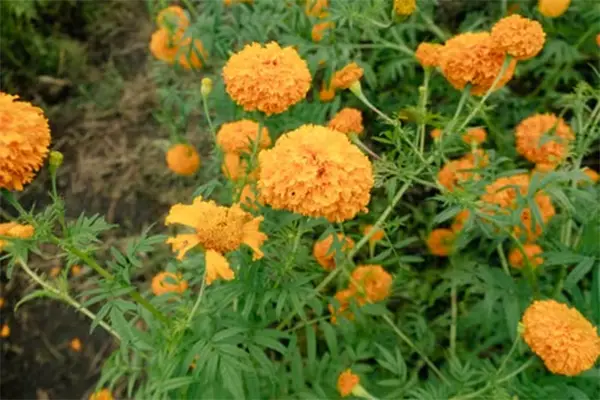
| Botanical Name | Tagetes |
| Native Range | Mexico and Central America |
| Hardiness Zone | USDA zones 10-12 |
| Height | 4 feet |
Marigold is a herbaceous perennial flower in the daisy family. These summer flowers bloom around May and June and feature round yellow and orange flowers. In many Asian cultures, these flowers are used in many traditional festivities. In Mexico, the marigold flowers are associated with the “Day of the Dead,” which is used to honor the dead.
2. Holy Basil
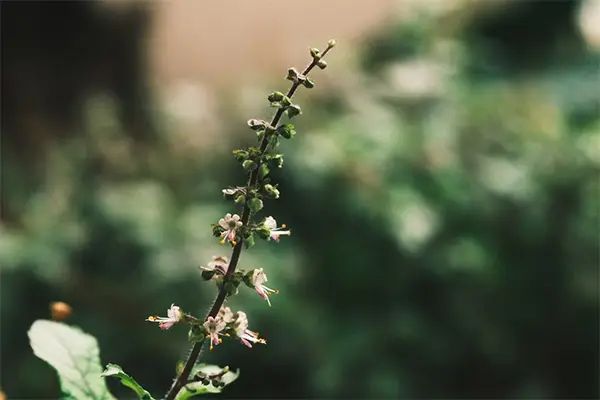
| Botanical Name | Ocimum tenuiflorum |
| Native Range | Asia and South Pacific |
| Hardiness Zone | USDA zones 10-12 |
| Height | 2-3 feet |
Holy basil, or tulsi, is a famous perennial herb that is native to the region of India. As per the Herbalgram, this plant grows well in tropical and subtropical areas, which means it prefers high-humidity areas with intense sunlight for 6-8 hours.
According to NCBI, this medicinal plant possesses antibacterial, antioxidant, and anti-inflammatory properties. Part of the Mint family, these plants are popular as indoor plants and are associated with the festival of Diwali, as it is believed to be an avatar of Goddess Lakshmi.
3. Lemongrass
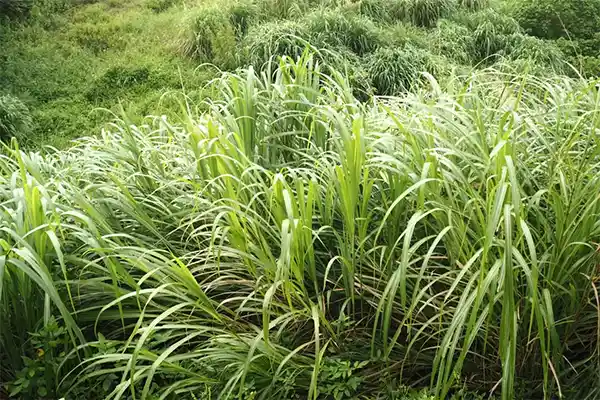
| Botanical Name | Cymbopogon citratus |
| Native Range | India and Sri Lanka |
| Hardiness Zone | USDA zones 10-11 |
| Height | 2-4 feet |
Lemongrass is a tropical perennial plant from the grass family used to repel mosquitoes. They feature tall and slender green leaves and white flowers, and they grow in clumps.
As the name suggests, these plants emit a lemony, citrusy scent, which creates an aromatic environment. Mainly used in garden borders, these leaves are used for culinary purposes in South Asian countries like Vietnam and Indonesia.
Lemongrass is not as effective as lemongrass essential oil in repelling mosquitoes.
4. Neem
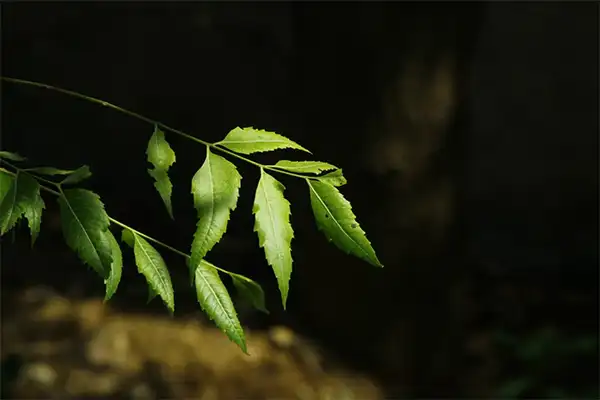
| Botanical Name | Azadirachta indica A. Juss. |
| Native Range | India |
| Hardiness Zone | USDA zones 10-12 |
| Height | 40-80 feet |
Neem is a popular Indian herb or an evergreen tree from the Meliaceae family, which is famous for both its culinary and medical uses. This mosquito repellent plant grows best in tropical and subtropical regions, as stated by Agritech.
It cannot tolerate temperatures above 42°C and below 4°C. Anything below that can cause plant damage. As per NCBI, this mosquito repellent plant has been used to treat various ailments like diabetes.
5. Lavender
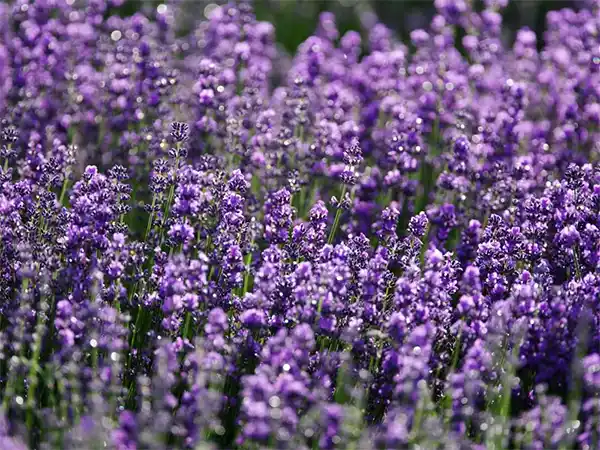
| Botanical Name | Lavandula angustifolia |
| Native Range | Mediterranean regions |
| Hardiness Zone | USDA zones 5-9 |
| Height | 1-3 feet |
Lavender is an evergreen shrub famous for its sweet scent and purple flowers. These spike-like flowers belong to the Meliaceae family and feature spike-like flowers, which are used both for landscaping and decor purposes. This accent flower blooms in summer and can tolerate winters down to zone 5. Apart from these garden uses, the lavender flower is also used in aromatherapy due to its intoxicating fragrance.
6. Rosemary

| Botanical Name | Salvia rosmarinus |
| Native Range | Mediterranean regions |
| Hardiness Zone | USDA zones 8-11 |
| Height | 2-6 feet |
Rosemary is an evergreen herb from the mint family, similar to lavender flowers. It features needle-like leaves and white flowers that emit a fresh and woody scent. Due to the fragrance, they are used in perfumery and cosmetics.
They thrive in dry regions and are used in kitchen gardens and for landscaping purposes. Rosemary is a drought-tolerant plant and possesses antibacterial and antifungal properties, which make it highly beneficial apart from being mosquito repellent.
7. Lemon Balm
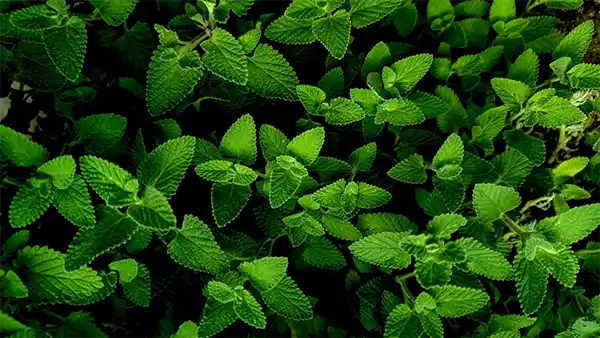
| Botanical Name | Melissa officianalis |
| Native Range | Europe and Mediterranean regions |
| Hardiness Zone | USDA zones 3-7 |
| Height | 1-3 feet |
Lemon Balm is a herbaceous perennial plant from the mint family that features oval green leaves and white flowers. These fragrant flowers are believed to calm stress and anxiety. Preferably grown in temperate climates, these plants thrive in partial shade and well-draining soil. Once established, they are drought-tolerant and can survive a little frost.
Gardyna Tip
According to the ASPCA, lemon balm is non-toxic to pets and humans. Hence, it can be easily placed indoors.
8. Sage
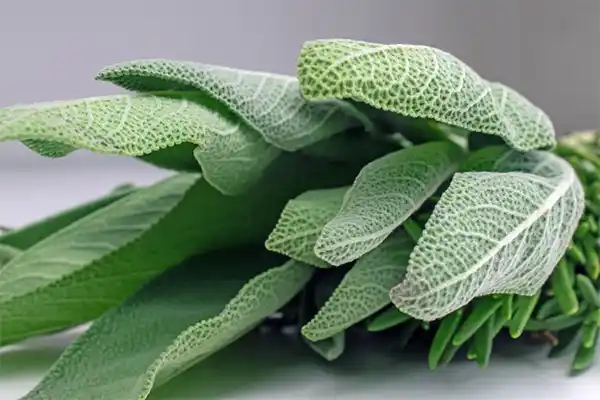
| Botanical Name | Salvia officinalis |
| Native Range | Mediterranean regions |
| Hardiness Zone | USDA zones 4-10 |
| Height | 1-3 feet |
Sage is an evergreen shrub/subshrub from the mint family, which is popularly known as garden sage. These shrubs grow green-gray leaves with fine hairs and purple flowers with a herbal scent.
Sage plants, along with being beneficial in repelling mosquitoes, also have medical and culinary uses. The antibacterial agents help in treating sore throat and gum infections and calm down digestive issues.
9. Garlic Creeper
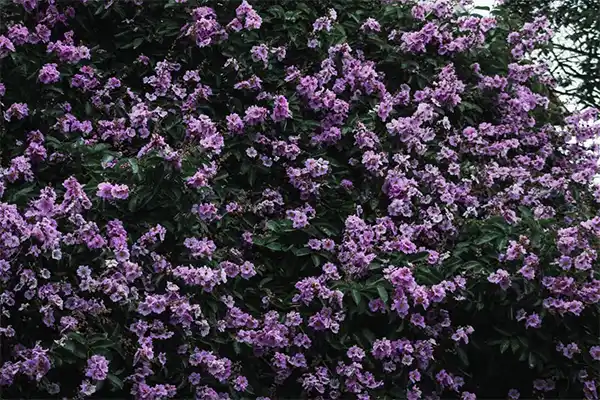
| Botanical Name | Mansoa alliacea |
| Native Range | Central and South America |
| Hardiness Zone | USDA zones 9-11 |
| Height | 2-3 feet |
Also known as Garlic Vine, these evergreen perennial vines are part of the Bignoniaceae family. These vines feature purple flowers that bloom around October and March, giving the best pop in fall and early spring.
Garlic creepers thrive in all climates in India, from summer heat to rainfall, which makes them extremely beneficial for beginners. They require 3 hours of direct morning light and then indirect sunlight throughout the day, with 1-2 inches of water every week.
10. Catnip
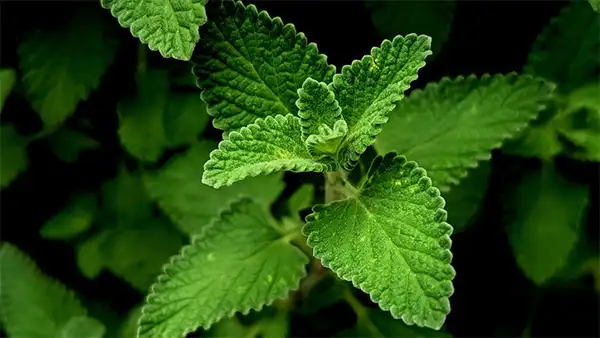
| Botanical Name | Nepeta cataria |
| Native Range | Southern and eastern Europe, the Middle East, and Asia |
| Hardiness Zone | USDA 3-9 |
| Height | 2-3 feet |
Part of the mint family, catnip is a perennial herb featuring tubular flowers that emit a woody fragrance. These flowers are rightly named so due to their intoxicating effect on cats.
This also makes it extremely safe for cats to sniff or rub against. While they are best placed indoors, catnip can also be used as an outdoor garden plant due to its pollinator-friendly feature. Additionally, while the catnip plants can self-seed, they are not considered invasive.
Concluding Remarks
In Conclusion, the mosquito plants are really beneficial both for the garden and for the surroundings. The essential oils in the plant help repel mosquitoes, which are released when the leaves are crushed and rubbed against the skin.
From marigold and Holy basil to rosemary and neem and sage, every plant has a variety of uses beyond its fragrance. My advice to beginners would be to check for the toxicity of the plant before growing for the best results.
Happy Gardening!
What are the best plants to keep the mosquitoes away?
Some plants that keep mosquitoes away are Marigold, lemongrass, neem, rosemary, sage, and catnip.
Which Indian plants keep the mosquitoes away?
The Indian plants that keep mosquitoes away are Marigold, holy basil (tulsi), and neem. These plants, along with repelling mosquitoes, are also used for culinary and decor purposes.
What smell do mosquitoes hate the most?
Mosquitoes despise the scent of lemongrass, peppermint, lavender, and citronella; therefore, it is advised to plant these around to repel mosquitoes.
What are the strongest mosquito-repellent plants?
The strongest mosquito-repellent plants are the ones with a citrusy, citronella scent, like lemongrass, lemon balm, sage, catnip, and more.
What is the best homemade mosquito repellent?
The best homemade mosquito repellent solution is a spray made from Oil of Eucalyptus or a mix of lemongrass and clove oil and citronella.