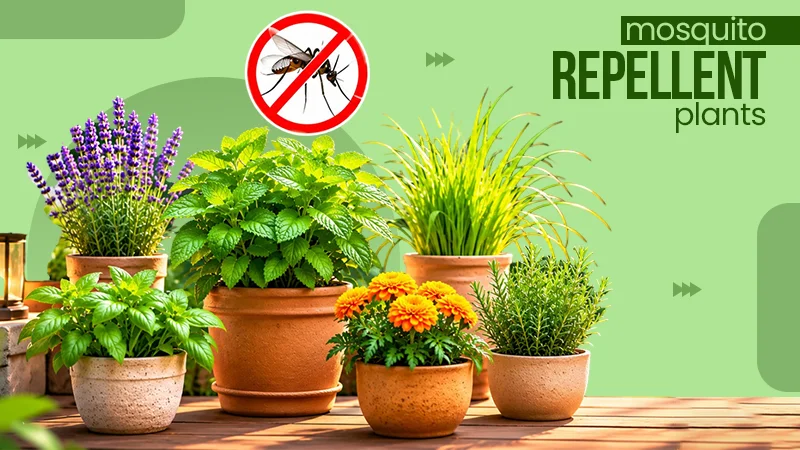


A Beautiful Garden Needs More Than Healthy Plants
A well-maintained garden is all about more than growing beautiful flowers, shrubs, and trees. The lawn also plays an important role in how the outdoor space looks and feels. However, keeping grass at a correct height requires continuous attention, especially during the growing season.
For many homeowners, mowing is one of the most recurring garden tasks. It can take time away from planting, pruning, and enjoying the outdoor space. Finding genuine ways to simplify lawn care without neglecting the rest of the garden can make daily maintenance much easier.
Why Regular Lawn Mowing Matters
Regular mowing helps keep a lawn direct and encourages more even grass growth. When grass becomes too big, it can look untidy, become harder to cut, and make conditions where moisture and debris collect. However, cutting too much at once can also stress the grass, particularly at the time of hot or dry weather.
A good mowing routine depends on the grass type, season, and growing conditions. During periods of continuous growth, the lawn may need more continuous trimming, while cooler or drier periods generally need less attention. As a general rule, avoid removing more than one-third of the grass height in a single cut.
Keeping the lawn at a continuous height also makes it easier to maintain the total appearance of a garden, especially when it sits alongside flowerbeds, shrubs, and other planted areas.
How Robot Lawn Mowers Fit Into Garden Care
Robot lawn mowers can take care of routine grass removal by following a schedule and navigating the lawn with less manual input. Depending on the model, they can come back to a charging station automatically and resume mowing when ready. This helps keep grass at a more consistent height without requiring homeowners to mow by hand every few days.
They are particularly useful for gardens where regular trimming is required during the growing season. Instead of passing time on continuous mowing, homeowners can focus on planting, pruning, watering, and other garden tasks.
However, a robot mower only handles part of lawn care. It does not change edging, fertilizing, watering, weed control, or general plant maintenance. It works best as one part of a wider garden care routine.
Is Your Garden Suitable for a Robot Lawn Mower?
Not every garden is equally suited to robotic mowing. Open lawns with genuinely defined boundaries are comparatively easier to manage, while spaces with steep slopes, uneven ground, narrow passages, or different separate grass sections may need more advanced navigation.
Before choosing a model, take care of the total mowing area as well as the garden layout. Trees, fences, flowerbeds, garden furniture, and pathways can all affect how easily a mower rotates around. It is also required to check the mower’s maximum slope capability and whether it supports multiple mowing zones.
The charging station needs a preferred location too, ideally on level ground with enough clear space for the mower to dock and leave. Assessing these details beforehand can help you select a model that fits your garden instead of one that struggles with its layout.
Protecting Flower Beds, Trees, and Garden Features
A garden often has more than grass. Flowerbeds, young trees, shrubs, decorative stones, and garden ornaments all need protection when a robot mower is showing. Without clearly made mowing areas, the mower may enter at places where grass cutting is not required.
Many models allow users to create virtual boundaries or no-go zones through an app. These settings can help keep the mower away from flowerbeds, ponds, tree bases, and other such areas. Obstacle taking can provide additional help when the mower encounters garden furniture or objects making on the lawn.
Before the first mowing session, walk around the garden and showcase areas that should remain untouched. Mark boundaries with care, remove loose objects, and check the mower’s path. A little preparation helps maintain a neat lawn without disrupting the rest of the garden’s design.
Choosing a Robot Mower for a Garden with Different Areas
Imagine a backyard with an open lawn, flowerbeds along the edges, several trees, and narrow passages connecting different grass sections. Maintaining this type of garden can be challenging because a mower needs to navigate around obstacles at the time reaching different parts of the lawn.
For a garden of up to 500㎡, the ANTHBOT M5 Pro is one option worth taking care of. It combines 360° LiDAR, RTK/NetRTK, and AI Vision through its HoloSense positioning system. This allows it to map its surroundings, navigate through different areas, and take care of more than 1,000 types of obstacles. It also supports genuine mapping and multi-zone scheduling, without requiring boundary wires or a different RTK installation.
For homeowners who need to reduce installation work and simplify regular mowing, this combination can be useful in gardens with varied layouts. However, it is still important to define mowing boundaries carefully and check whether the garden’s layout is suitable for the mower.
What Maintenance Does a Robot Mower Still Need?
Although robot lawn mowers reduce the need for manual mowing, they still need regular care. Grass clippings, soil, and leaves can collect below the machine, affecting cutting performance and movement. Cleaning the underside and checking the wheels helps keep the mower working smoothly.
Blades also need attention. Dull or bad blades can leave grass looking uneven, so take them regularly and change them according to the manufacturer’s recommendations. Sensors and cameras should be kept clean to ensure reliable navigation and obstacle taking. It is also worth checking the charging contacts and docking station for dirt or debris.
During winter or extended periods of inactivity, clean the mower and follow the recommended battery storage instructions. A simple maintenance routine can help extend its service life and lessons without any problems.
Making Robot Mowing More Wildlife-Friendly
A well-maintained garden should also give a suitable environment for local wildlife. Birds, hedgehogs, frogs, and insects may use lawns and nearby planted areas for shelter or food. When using a robot lawn mower, it is genuinely required to take care of how mowing schedules and operating conditions might affect them.
Avoid running the mower at night or during low-visibility hours, when small animals may be harder to spot. Before mowing, check the grass for wildlife, especially in areas with dense vegetation or fallen leaves. Keeping some parts of the garden less frequently cut can also provide shelter for insects and other small creatures.
A robot mower can help maintain a tidy lawn, but responsible scheduling and a little preparation are important for maintaining balance convenience with garden biodiversity.
Choosing a Mowing Routine That Works for Your Garden
A good lawn care routine should showcase the garden’s layout, grass type, and seasonal growth. During spring and summer, grass may need more regular trimming, while cooler months often require less mowing. Adjusting the schedule to local weather and growing conditions helps avoid unnecessary cutting.
If you use a robot lawn mower, set mowing times that give your household and garden environment. Avoid operating during heavy heat, heavy rain, or nighttime hours when wildlife may be active. Also leave enough time for watering, fertilizing, edging, and other required maintenance.
The goal is not only to keep the grass less, but to create a garden that is healthy, attractive, and easy to maintain. With a relaxed mowing routine and the right things, homeowners can spend less time on continuous lawn care and more time enjoying their outdoor space.
Q1. What makes a garden look beautiful besides healthy plants?
Ans: A beautiful garden needs proper landscaping, attractive pathways, suitable lighting, clean surroundings, and well-arranged outdoor spaces. These elements create a balanced and welcoming look.
Q2. How can I make my garden look more attractive?
Ans: You can improve your garden by adding decorative pots, garden furniture, colourful flowers, stone pathways, outdoor lighting, and water features. Keeping everything neat and organised also makes a big difference.
Q3. Why is garden maintenance important for a beautiful outdoor space?
Ans: Regular maintenance keeps your garden clean, organised, and visually appealing. Trimming plants, removing weeds, cleaning pathways, and maintaining garden features help create a pleasant outdoor environment.