
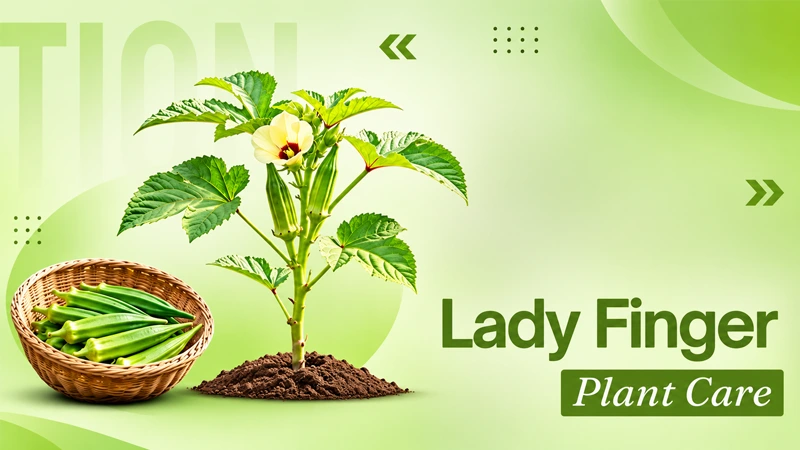
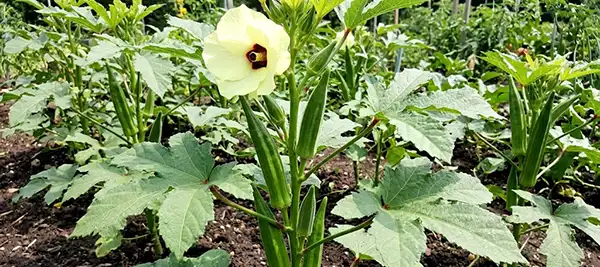
Lady finger or okra is a warm-season vegetable is famous plant due to its distinctively shaped pods and versatile culinary use. It grows quickly and loves the sun and humid weather. On top of that, it is one of the attractive flowering plants for home gardens that features pale yellow blooms with a reddish-purple center.
If you are new to the vegetable gardening world and want to learn how to grow the lady finger plant, read this article to understand everything about its planting and care.
Lady Finger Plant at a Glance
The lady finger can be either annual or perennial. It is a perennial plant in the dry tropical regions, but the plant commonly grown as a warm-season annual. Botanically called Abelmoschus esculentus, it belongs to the mallow family. The plant can grow up to 6-8 feet tall and 3 feet wide.
Take a look below to understand the basic information about the plant:
| Botanical name | Abelmoschus esculentus |
| Common names | Okra, gumbo, lady’s finger |
| Order | Malvales |
| Family | Malvaceae (Mallow family) |
| Genus | Abelmoschus |
| Species | Abelmoschus esculentus (L.) Moench |
| Plant type | Annual |
| Mature size | 6-8 feet tall and 3 feet wide |
| Hardiness zones | USDA zones 2-11 |
| Bloom time | Summer |
| Native range | Northeastern Africa and South Asia |
Study Insights
According to the study on ResearchGate, ladyfinger has significant hypolipidemic and hypoglycemic potential. It can be used in diabetes and hyperlipidemic patients.
Did you know?
Okra seeds are toasted and used as a coffee substitute due to their nutty, roasted flavour profile.
How to Grow Ladies Finger at Home
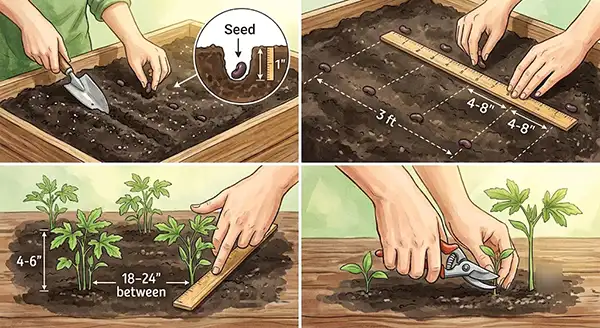
Bhendi plant is commonly grown in the spring, but there is no ideal month to plant it, as it depends on the weather. The flowering plant prefers soil temperatures of 60-70°F. Its seeds can be sown directly into the soil or started three to four weeks indoors before the last frost. Sow the seeds into the ground with proper spacing, and they will germinate within 7-10 days.
- Sow the seeds into the soil 1 inch deep. You can make holes in the soil or a furrow with a trowel.
- Place the seeds 4-8 inches apart and space the rows 3 feet apart. Don’t put more than 1 seed per hole. This can cause overcrowding and thinning in plants with less fruits.
- When the seedlings emerge and reach 4-6 inches tall, it’s suggested to thin them to keep the seedlings 18-24 inches apart to give plants room to branch out.
- Avoid pulling the extra seedlings out; cut them at the ground level.
Essential Care and Maintenance for Okra Plant
For ladies finger cultivation, ensure you grow the plant in a spot with full sun and well-draining, loose soil. Water it once a week and prune to encourage its growth. It is a heat-loving plant, so also maintain a warm and humid environment.
Sunlight Needs
Bhindi plants thrive best in full sun, producing an abundant number of pods. It needs warm temperatures, ideally above 80°F during the day for the best growth. Grow it in a spot that receives at least 6 hours of direct sunlight every day.
Watering Intake
During summer, the lady finger plant needs consistent watering to provide the best yields. If there is no rainfall, water the plant weekly. Keep the young ladies finger sapling consistently moist but not waterlogged. For best productivity, 1 inch of water a week is considered ideal.
Expert Tip
Water the plant early in the morning so that if you splash any of the leaves accidentally, they will get time to dry out in the sun.
Soil Preference
Use fertile, well-drained sandy loam soil. The loose, rich soil allows the taproots to penetrate easily. The plant does not prefer heavy, soggy soil that can cause root rot or starve the roots of oxygen.
Expert Tip
Before planting, add some compost or composted cow or horse manure to enhance the nutrition in the soil.
Temperature and Humidity
Ladies finger tree is heat-loving and grows fast when the temperature reaches 80-90°F. If the temperatures go below 65°F, the plants can be damaged or killed by the frost. When talking about humidity, it loves warm and humid tropical or subtropical weather but can do well in dry conditions too.
Fertilizer
If you grow the okra sapling in organically rich soil, you won’t need to feed it. However, you may do some side dressing with composted manure or foliage feeding with seaweed or fish fertilizer for a nutrient boost in your organic gardening at home. Avoid excess feeding, as it can cause lots of foliage at the expense of the pods.
Pruning
In the regions with long summers, pruning helps the plant in enhanced produce. As the summer progresses, you will see fewer pods to harvest. When fruit production has reduced, using pruning shears, cut the plants back to a height of 6 to 12 inches above the ground. Feed the plant with fertilizer that is high in nitrogen and potassium. Continue with consistent moisture, and in the fall the plant will produce a second crop.
Study Insights
The study by ARCC Journals concludes that combining drip irrigation, mulching, and targeted foliar feeding boosts okra plant growth, yield, and economic returns.
Varieties of Okra Plant
Okra plants are highly versatile, as they are available in a wide variety based on colour, size, and growth speed. Some of the famous varieties include ‘Annie Oakley,’ ‘Burgundy,’ and ‘Clemson Spineless.’ In ladyfinger farming, it’s best to select the spineless varieties. Also be aware of the varieties that are not spine-free but labeled spineless.
| Type | Description |
‘Annie Oakley’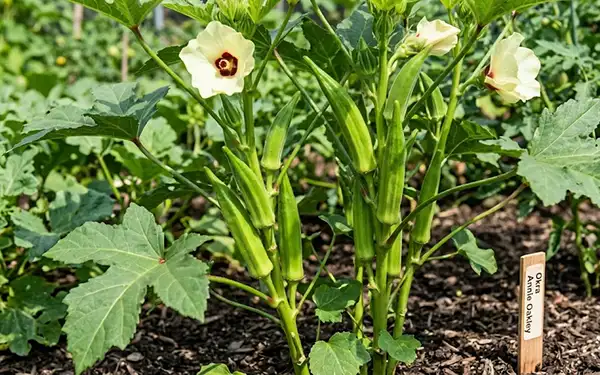 | It is a compact hybrid variety that provides a nice yield. It grows up to 3-4 feet tall and is great for early harvesting. |
‘Burgundy’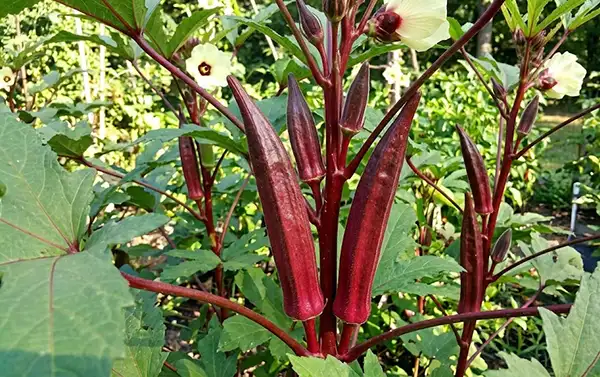 | This heirloom variety grows up to 4 feet and produces deep reddish seed pods. The pods lose some of the deep colour during the cooking process. |
‘Clemson Spineless’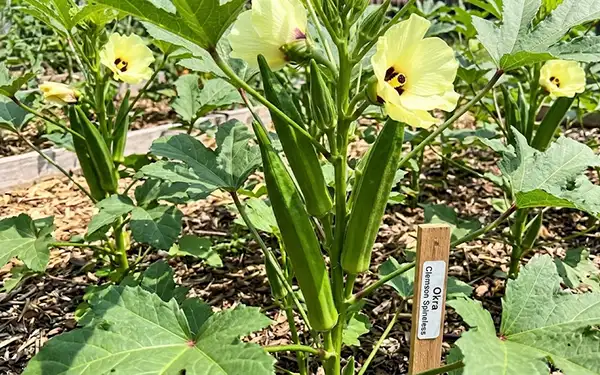 | It is a comparatively large variety that can grow up to 4-5 feet high. This has spineless, deep green, ribbed pods with good flavour. |
‘Emerald’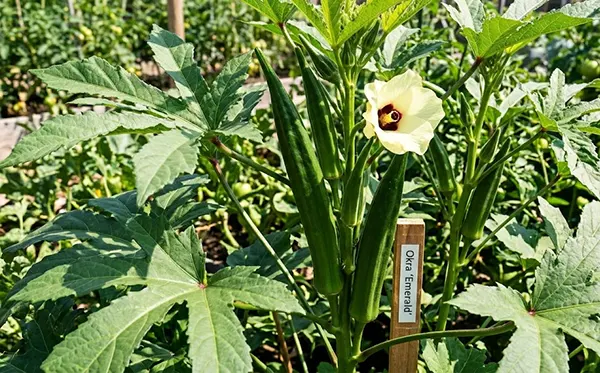 | The open-pollinated heirloom variety that features long seed pods of about 7-9 inches. It can grow up to 4 feet and produce heavy yield. |
‘White Velvet’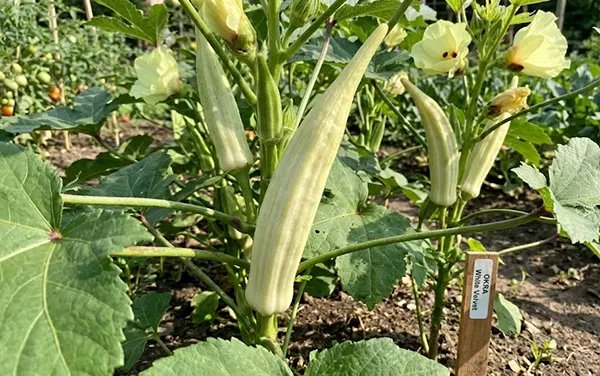 | It can grow up to 5 feet tall and produce tender white pods. When harvested young, the pods have a mild taste with tender flesh. |
Harvesting and Storage of the Lady Finger
The edible pods can be harvested about 50-60 days after the seedlings sprout. Pick them when they are young for the best flavours and future flowering of the plant. Use scissors to cut the pods or simply pluck them.
Here are some tips to harvest and store okra pods:
- The first produce will be ready within 45-50 days of planting. Pick the pods young, being 2-4 inches long and wide as the pinkie finger.
- You can also check by texture. On pressing gently, they should feel tender and crisp, not hard and woody.
- During peak summer, harvest every 2 days. The pods grow fast, so harvest early for best eating and future flowering.
- You can use scissors to cut the pods or simply pluck them just above the caps.
- Process the pods as soon as you pick them to prevent them from rotting. You can keep them in the refrigerator for up to two days before they begin to soften.
- If you want to store the pods long-term, rinse and pat dry them. Place the whole pods in freezer bags. You can also can them with a pressure canner.
Expert Tip
Lady finger plants have hair-like spines that are unpleasant to touch. Wear gloves or long sleeves while handling the plants.
Common Pests and Diseases in Lady Finger
Okra is usually a problem-free plant, as the pests and diseases mostly affect the leaves, not its pods. The pests that can affect the plant include aphids, spider mites, cucumber beetles, and armyworms. It is also susceptible to diseases like powdery mildew and southern blight. For sustainable gardening, you can prevent these issues with companion planting and organic sprays.
Pests in Okra Plant
| Pests | Symptoms and Management |
Aphids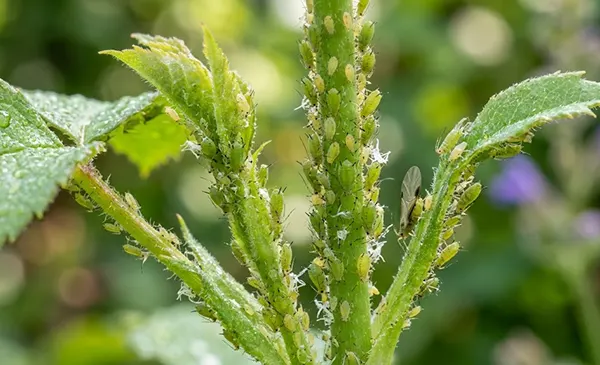 |
|
Armyworms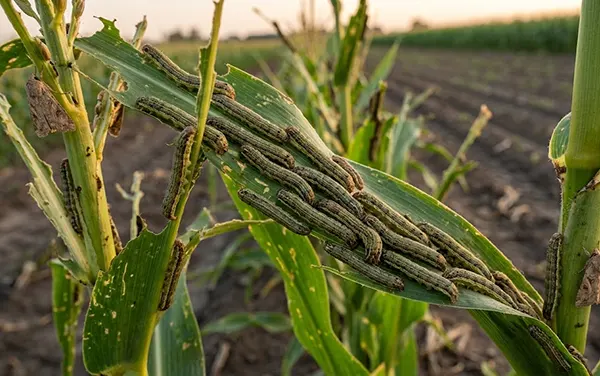 |
|
Corn earworm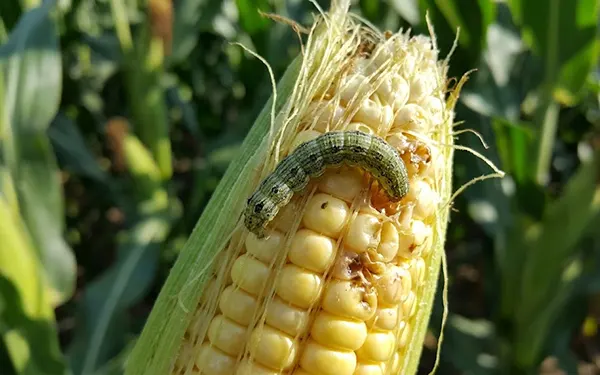 |
|
Cucumber beetles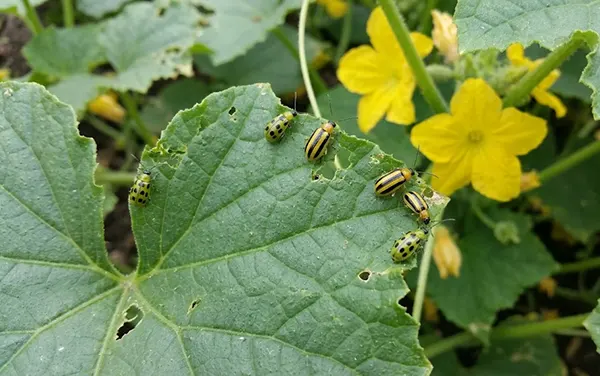 |
|
Loopers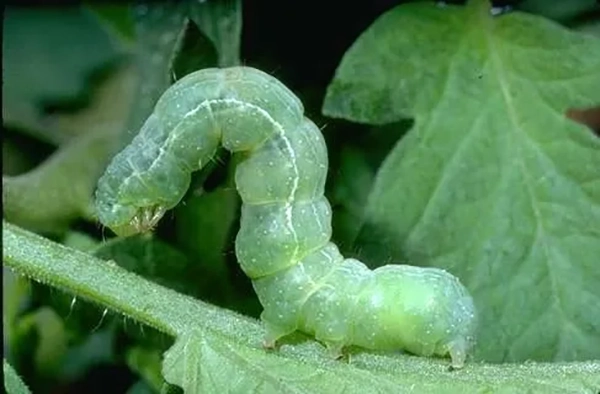 |
|
Spider mites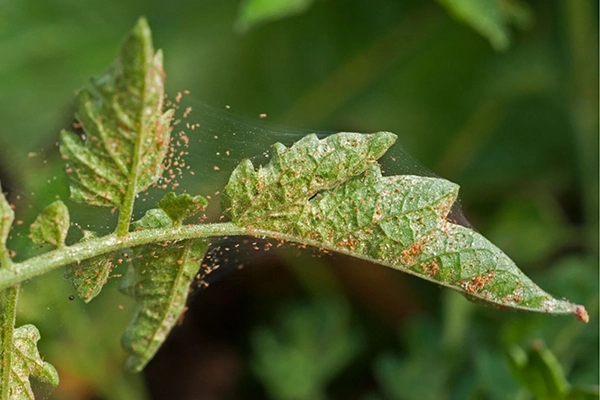 |
|
Diseases in Okra Plant
| Diseases | Symptoms and Management |
| Charcoal rot |
|
| Fusarium wilt |
|
| Powdery mildew |
|
| Southern blight |
|
Study Insights
A study by the Journal of Experimental Agriculture International concludes that using combination fungicide treatments is highly effective for managing root rot (caused by Rhizoctonia solani) in okra (lady’s finger) plants.
Frequent User Problems Related to Okra Plant
On Reddit, many people have shared their experiences and problems of growing lady fingers. Most of them are about pests, diseases, and stunted growth.
Let’s address the queries and find possible solutions to them:
- u/OiseauAquario asks about Okra plants grew stunted, and now leaves are yellowing
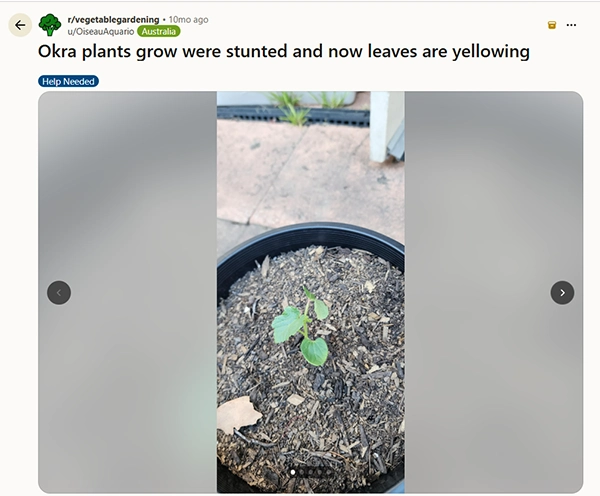
Solution: The stunted growth and yellowing leaves are possibly due to nutrient deficiency, inadequate sunlight, or improper watering. Keep the plant in a spot that receives 6-8 hours of sunlight, water when the top inch of the soil is dry, and apply balanced fertilizer.
- u/PAlinkRK asks What is happening to my okra plants?
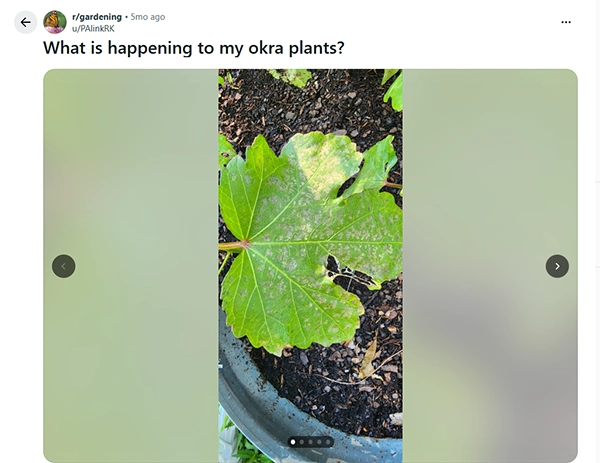
Solution: It looks like powdery mildew or a pest infestation on the lady finger plant leaves. Remove the affected foliage, improve airflow, and avoid wetting the leaves. Inspect for pests; if they appear, treat with fungicide or insecticidal soap.
- u/minkingthan asks What are these bugs on the okra plant and how do I get rid of them
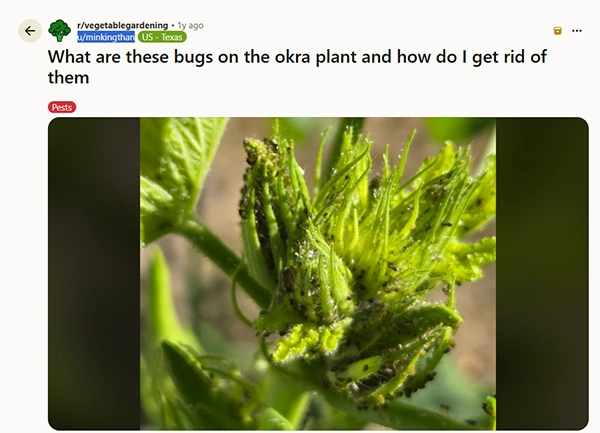
Solution: The plant is affected by aphids. You can get rid of them by spraying the plant with a strong stream of water. Alternatively, you may also apply insecticidal soap or neem oil.
Final Words
Okra is easy to grow plant that can thrive easily in most of the regions. People love to eat ladyfinger in various ways, including raw, cooked, roasted, or pickled. Add this superfood to your rotation by following its sun, water, and soil needs. Take a break this time from kale and spinach and grow ladyfinger to brighten up your culinary experiences!
How to grow bhindi at home?
To grow bhindi at home, sow the seeds directly outdoors or start them indoors 3-4 weeks before the last spring frost. Keep them in a warm and humid environment and water them weekly. Use fertile, well-draining soil and prune the plant occasionally to support flowering.
What is the lady finger growing season in India?
It is commonly grown in summer and the monsoon season in India, as it needs warm and humid weather.
What are the ladies finger plant growth stages?
The plant moves from seed to harvest in 40-60 days. In the first 1-8 days, the seed germinates; in the second week, the cotyledons unfold. In 3-5 weeks, the plant rapidly grows, and in about 2 months, the plant blooms. 3-6 days after flowering, the pod forms and can be harvested.
How long does it take to grow okra?
The plant grows rapidly and, within 2 months after planting, starts producing fruits.
What should you not plant near okra?
Avoid planting sweet potatoes and squash as neighbours to okra, as they attract nematodes.
- Growing Okra in the Home Garden – Iowa State University
- Okra – Britannica
- Classification and Grading of Okra-ladies finger using Deep Learning – ResearchGate
- Okra (Lady’s finger) – ResearchGate
- Okra – ScienceDirect’