

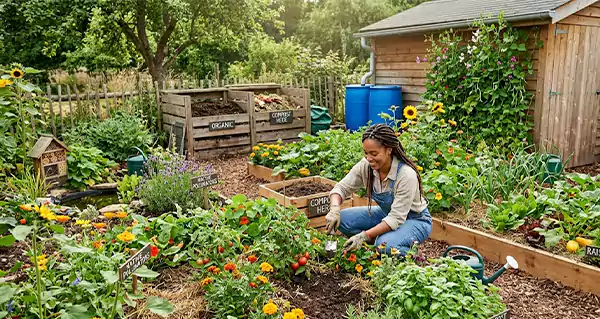
Sustainable gardening practices are methods that assist in maintaining the garden in an eco-friendly way. Techniques like composting, rainwater harvesting, organic pest control, drip irrigation, etc., support conserving natural resources.
These practices encourage the healthy growth of the plants, support nature, and promote long-term sustainability. So, to reduce the adverse impact on the environment, be the one and go for sustainable gardening techniques. This article will guide you through all sustainable gardening practices to boost the fertility and growth of your plants.
What is Sustainable Gardening?
Sustainable gardening is a way that focuses on an eco-friendly garden without harming nature and natural resources. You can follow this approach with different sustainable gardening techniques like using organic composting, rainwater harvesting, etc. These practices also minimize the unfavorable environmental impact. They work in harmony with nature instead of against it.
Top Sustainable Gardening Practices
Sustainable gardening is all about following eco-friendly practices. Even if you are a beginner, this will help you to make your nature-friendly garden flourish. Some of the crucial practices involve composting, rainwater harvesting, and the drip irrigation system. Here are some garden practices mentioned below:
1. Composting Practice
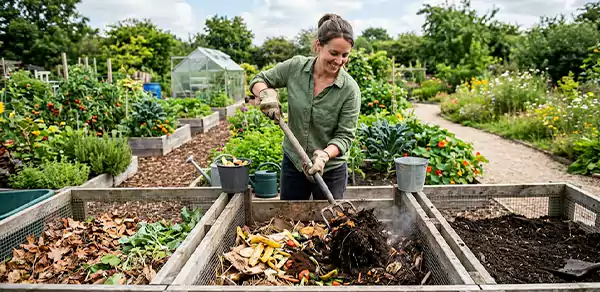
Composting is a natural way to use organic waste as a useful substance for your gardening. It is done by collecting kitchen scraps like vegetable or fruit peels, coffee grounds, dry leaves, paper, and cardboard. Put all of them into a compost bin or pit. Maintain proper moisture and turn or mix this regularly for better decomposition.
After some days, it will turn into a dark and crumbly compost. Adding this to the soil enriches it with nutrients, improves soil fertility, and encourages the growth of your plants.
To make natural composting, only use biodegradable materials that break down into the soil and provide nutritional value to it.
2. Rainwater Harvesting Method
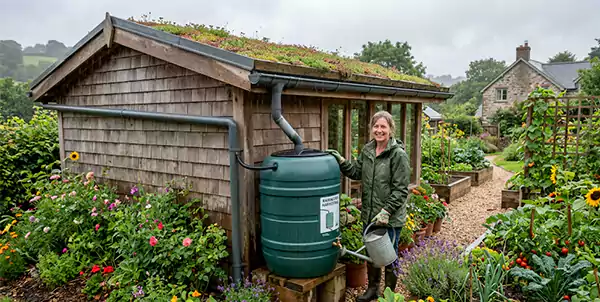
Rainwater harvesting means saving, storing, and using rainwater to conserve water and reduce wastage. It is the best way to use this water for your plants. Rainwater harvesting supports the sustainable gardening process.
It not only reduces the need for a municipal water supply or groundwater for plants but also minimizes the wastage of water. It is a natural and free source of water. Analyze how much it has also saved you money. One can use large containers and barrels for water collection. It is a simple and easy way to store and collect.
3. Organic Soil Amendments and Mulching
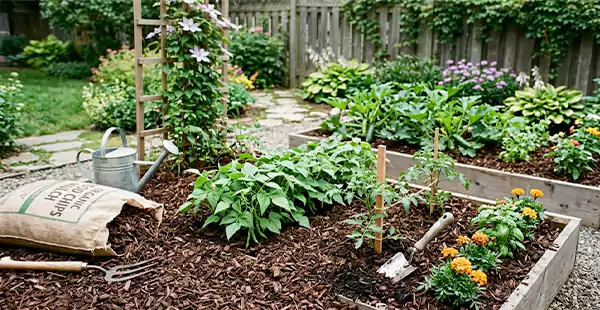
Soil is the foundation and key factor that is responsible for the healthy growth of plants. You can mix green manure or cover crops into the soil to improve its quality. Proper moisture soil is also needed, so mulching is the solution to this.
Mulching means covering the surface of the soil to maintain moisture and prevent the growth of weeds. Wood chips, dry leaves, stones, and straws are some examples to use for mulching. By these natural amendments, you can create a balanced and rich soil without the need for synthetic fertilizers.
4. Incorporating Pollinator-Friendly Plants
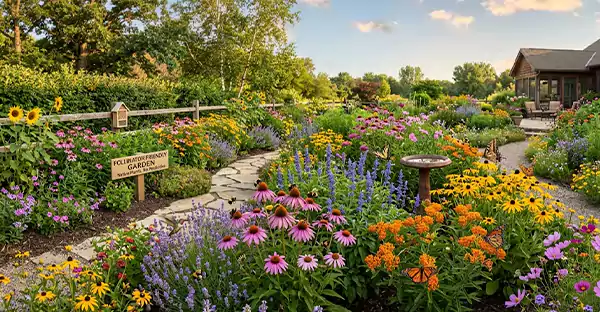
Incorporate pollinator-friendly plants like milkweed, coneflower, lavender, and bee balm in your garden that can provide food and shelter to butterflies, bees, and other insects.
These creatures play a crucial role in maintaining biodiversity and supporting our food chain. Many of these pollinators are in decline due to habitat loss and urbanization. Planting the right flora helps create safe havens for these vital creatures to thrive and maintain a healthy ecosystem.
5. Practising Crop Rotation And Companion Planting
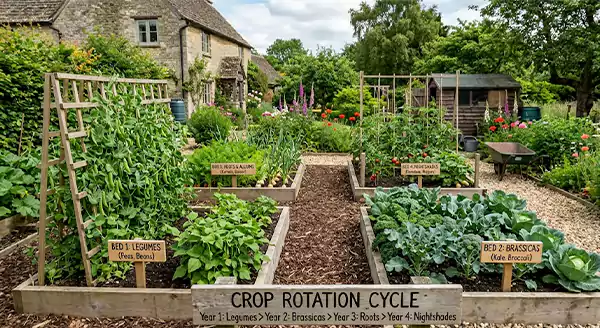
Crop rotation and companion planting are highly beneficial, sustainable gardening practices, especially in vegetable gardens. Crop rotation involves the changing of the type of crop in a specific field from season to season or year to year. It prevents pests and soil-borne diseases.
Companion planting refers to growing different crops in proximity to take advantage of beneficial relationships, such as pest deterrence and pollination. With these techniques, you can reduce the reliance on chemicals and promote a sustainable garden.
6. Decreasing the Use of Single-Use Plastics in the Garden
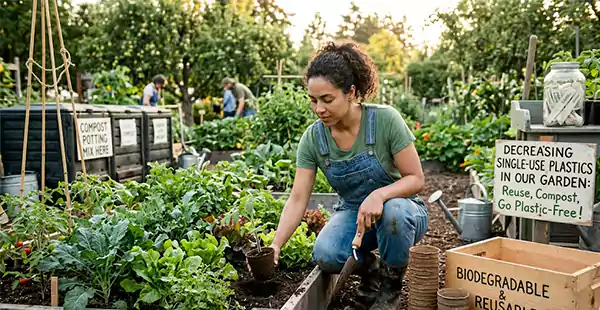
Reducing single-use plastics in the garden prevents microplastics from leaching into the soil and lowers the overall carbon footprint. Gardening items like plastic seed trays, plant tags, and compost bags break down in hundreds of years and contribute to landfill waste.
Use sustainable alternatives that are made of durable and eco-friendly materials to reduce waste and protect the garden’s wildlife.
7. Utilizing Vertical Gardening Technique
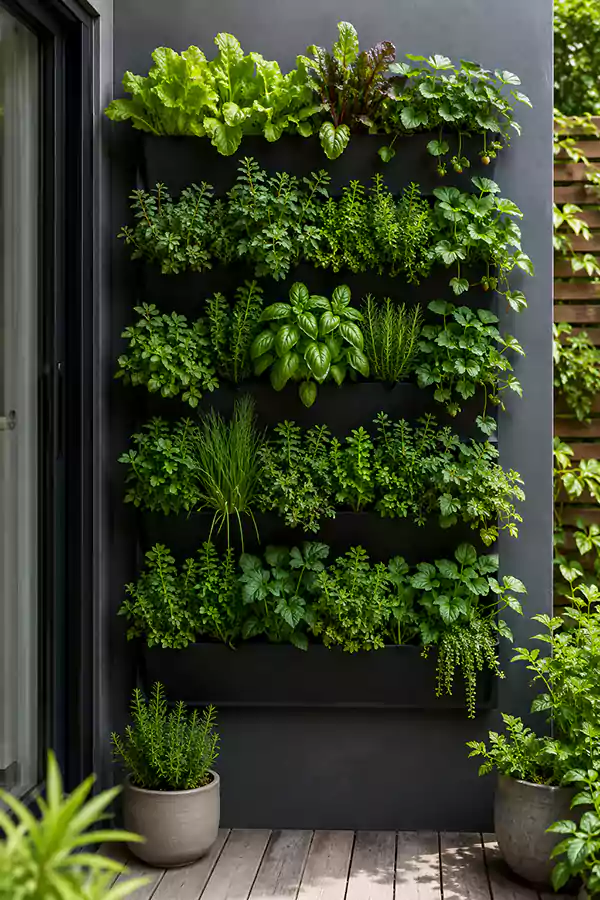
Vertical gardening is the space-efficient method of growing plants upwards using trellis, walls, and hanging planters. It is an incredibly useful method to maximise the small areas like balconies, small gardens, or apartments.
This technique also facilitates improved air circulation, easier plant maintenance, and simple access to green spaces. You can use trailing flowers, beans, cucumber, and peas to create an eye-pleasing vertical garden.
8. Drip Irrigation System
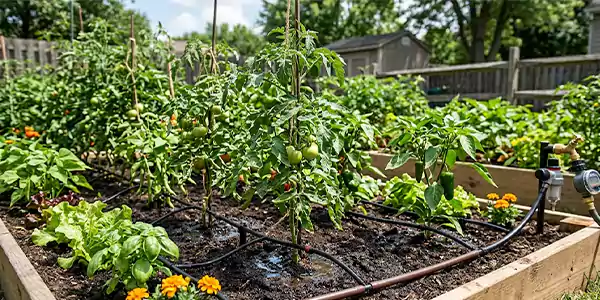
Drip irrigation refers to a system where you water plants in an automatic, controlled manner directly at their roots by using tubes, pipes, etc. This system gives water to the plants exactly as needed. It assists in water conservation and provides continuous water for the plants that need steady moisture. It is useful for making plants healthier, lowering water bills, conserving water, and effectively using water without wastage.
9. Growing Native Plants and Drought-Tolerant Plants
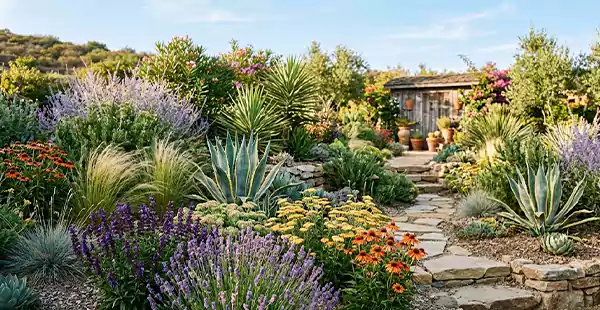
Native and drought-tolerant plants are the most suitable option for maintaining sustainable gardening. Native plants are adapted to the local climate, environmental changes, and rainfall patterns. So they require less water maintenance and fertilizers to grow than non-native plants. These plants invite pollinators like bees and become a shelter for many local birds and insects. Native plants grow well in the local soil without the need to make major changes.
Drought-tolerant plants are also a good option, as they do not need much water once established. They are good for dry areas or where water is limited. These plants are long-lasting and durable.
10. Reduce, Reuse, Recycle (3Rs)
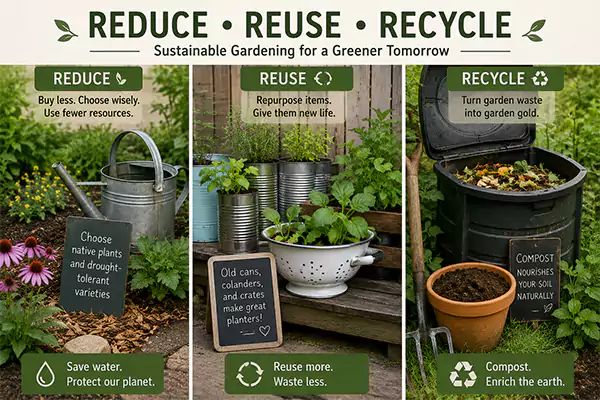
For sustainable gardening, the three Rs are the most important elements to apply. Using this approach, one can save a lot and get maximum benefits from it. It promotes saving natural resources, money, and energy.
- Reduce: It means using less or fewer resources to reduce wastage. For example, using drip irrigation to reduce water use wisely, go for native drought-tolerant plants for less water consumption and maintenance, etc.
- Reuse: It means using things again rather than throwing them away. For example, using old buckets, jars, cans, or pots for planting. Instead of throwing kitchen waste, use it as compost for the healthy growth of plants, etc.
- Recycle: “Recycle” means using waste materials by converting them into useful materials. For example: kitchen waste into compost, dry leaves for mulching, etc.
11. Using Organic Pest Control
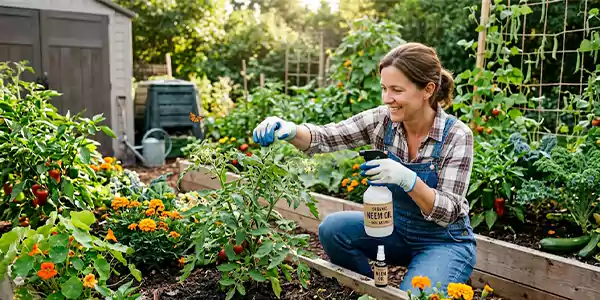
Organic pest control involves using organic methods to control harmful insects and pests that damage plants. It assists in keeping plants safe and robust in an eco-friendly way. It provides many benefits, like keeping the soil, water, and air away from toxins. Some natural ways to manage pests and damaging insects are as follows:
- Removing pests by hand.
- Using neem oil or neem water.
- Spray soapy water onto the plants.
- Using Homemade garlic and chilli spray.
Benefits of Sustainable Gardening Practices
There are many benefits of doing sustainable gardening. It is good for both human beings and the environment. It saves many natural resources and reduces toxins in the environment. Take a look below to know the benefits:
- Reduces Toxins in the Environment
Sustainable gardening uses natural and organic resources like kitchen waste, organic fertilisers, etc., replacing synthetic chemicals. This ultimately reduces the toxins in the environment.
- Saves Water
Sustainable gardening is focused on conserving water, which works with environmental health by planting native and drought-tolerant plants. Additionally, it includes efficient irrigation and mulching, which leads to less water usage.
- Helps in Recycling
These practices are focused on recycling, allowing you to cut down on landfill waste and save money. Kitchen waste is turned into compost to make it a useful material for healthy cultivation. For example, vegetable waste is used as manure for the plants.
- Reduces Pollution
No chemical fertilizers or pest control are being used in sustainable gardening, which keeps soil, water, and air clean. It leads to reduced pollution.
- Minimizes the Heat
Plants help in controlling the heat, as greenery can cool the surroundings naturally. It makes the environment feel fresher in the scorching heat.
- Positive Impact on Nature
All the practices in sustainable gardening actively restore the local ecosystem by boosting biodiversity and reducing carbon footprints. Using natural pest control methods, rainwater harvesting, following the three Rs, nature-friendly fertilisers, etc., keep the environment resilient.
Conclusion
In conclusion, sustainable gardening is a rewarding way to create a healthy, colourful garden and contribute to environmental conservation.
By using all the above-mentioned sustainable gardening techniques, including vertical gardening, rainwater harvesting and using organic pest control, I hope you can witness transformative effects on your garden and overall environment.
Can sustainable gardening be done in a small space?
Yes, you can do sustainable gardening even in a small space.
What does eco-friendly soil management mean?
It means to use organic materials to maintain the soil quality, nutrients, and moisture level.
How do plants control climate change?
Plants control the emissions of carbon dioxide by absorbing it and dispersing oxygen in the atmosphere. They assist in helping cool down the surroundings and improve air quality.
What do you mean by sustainable gardening?
Sustainable gardening refers to using ecologically conscious gardening practices to garden without depleting nature and natural resources.
What are the best plants to grow for sustainable gardening?
To have sustainable gardening, the best plants are native and drought-tolerant plants such as aloe vera, lavender, cactus, etc.
- Sustainable Urban Horticulture Practices: A Review – Journal of Scientific Research and Reports
- Sustainable Horticulture Practices: An Environmental- Friendly Approaches – ResearchGate
- Engagement in sustainable horticulture is associated with greater perceived health benefits amongst gardeners – ScienceDirect’
- Meeting Nature Halfway: Sustainable Gardening – UC Agriculture and Natural Resources