

Ever wondered how to build a pollinator-friendly garden? A pollinator-friendly garden is essential because it provides food, water, and shelter for bees, butterflies, hummingbirds, and other pollinators. It is important for reversing the declining pollinator population, and it is also helpful in boosting the local ecosystem.
If you have ever thought of how to start a pollinator garden with native plants or the best flowers for bees and butterflies in small gardens, here is the complete guide to creating a pollinator-friendly habitat.
How to Start a Pollinator Garden With Native Plants?
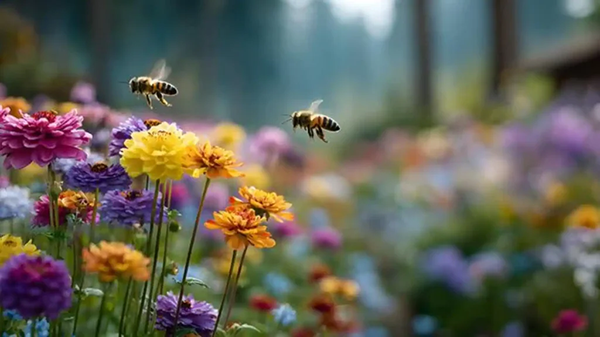
Establishing pollinator habitat in your home garden becomes important as it provides food and shelter to many threatened and endangered pollinators. By making such space, you can become an active part in protecting the ecosystem.
If you are planning to start your pollinator garden, here are some general guidelines that you need to keep in mind.
- Plant your garden post-frost.
- Make sure to choose the location that receives direct sunlight for at least 6 hours a day.
- Test the pH levels of the soil. If the soil is lacking any nutrients, add fertilisers to provide the nutrients to the plant.
- Clean the area of grasses and weeds as they take away most of the nutrients and water from the soil.
- Make sure that you have all the required equipment, like lawn and gardening tools.
- Use native plants to attract local pollinators, as it becomes a familiar environment for the pollinators.
- Choose the plants with varying bloom times.
- Limit the usage of pesticides, as they kill insects or can cause harm to your pollinators.
Here’s the step-by-step process of creating a pollinator garden using the native plants.
1. Choosing the Right Plant
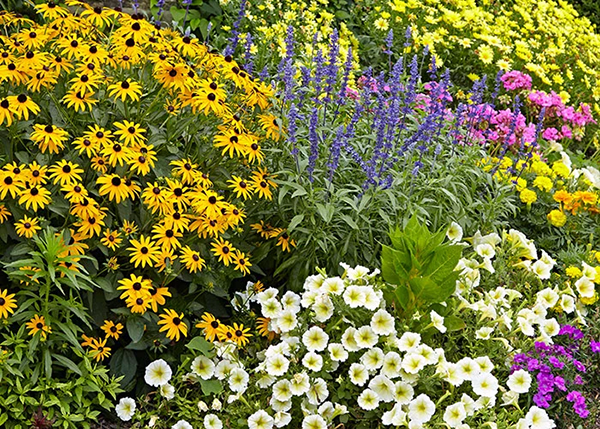
Pollinators are attracted best in their familiar environment. Try using native plants instead of foreign or hybrid plants. The common choices of plants can depend on the hardiness zone. Some of the plants that can be considered include lavender, bee balm, butterfly bush, coneflower, salvia, etc.
Try to add as many varieties of plants as possible, as it will help attract the pollinators like bees, butterflies, moths, and hummingbirds.
2. Plant Placement
Proper placement becomes an important plant while creating the pollinator garden. Ensure that the area receives direct bright sunlight for at least 6 hours a day. Avoid choosing the area with big trees, as it might not let the sunlight reach the plants directly, and pollinators will not be attracted. Also, look for an area with rich soil, as it will help in providing the maximum amount of nutrients to the plant.
3. Balancing Mulch
Mulches play an important role in controlling weeds, maintaining soil temperature, retaining soil moisture, and reducing soil compaction. It is any material placed around the plants, usually 1 to 2 inches deep. But too much mulch can suffocate plant roots and cause molds. So, it becomes important to lay the right amount of mulch, which will help the plants to thrive and increase a good variety of pollinators.
4. Garden Features
A pollinator garden needs more than plants. They benefit from flat stones for sunning, taller rocks and dense shrubs provide them shelter, and a water source becomes a must for hydration. Absence of any one of them can cause a bit of trouble as it distracts the pollinator and might even lead to their migration.
Pro tip- You can add a mosquito dunk to avoid mosquitoes. They are generally safe to use.
5. Organic Pesticides
Pests like aphids, white flies, leafhoppers, and thrips are commonly found in gardens. They feed on the plants and take away the nutrients that help the plant to grow. In case you encounter any pests on your plants, use organic fertilisers to save your plants. Try choosing pesticides with OMRI labels on them, as they are usually safe for the pollinators and won’t lead to pollinators flying away.
6. Monitor your Garden
Planting is not the last step, but rather it becomes the first step of attracting the pollinators. After you are done with setting up your garden, ensure that it receives proper sunlight, a good amount of water is available for the pollinators, and there are no pests on your plants.
Also, ensure that weeds aren’t taking away the nutrients from your plants. In case you witness weeds in your garden, gently remove them. As soon as the plants mature, they start attracting the pollinators. Try to observe which plants are most popular; this will help you to create a better environment for the pollinators next time!
Care Tips for a Pollinator-Friendly Garden
After years of gardening, I realised keeping certain things in mind can make your pollinator-friendly garden attract more pollinators. Here are some care tips-
- Know your plants and use appropriate soil for the smooth growth of the plant.
- Make sure to water your plants once every two days. Avoid overwatering the plants as it can cause root rot.
- Pollinators love warmth, so it is essential to choose an area that receives maximum sunlight.
- Using native plants is a must, as they create a friendly, familiar environment for pollinators.
- Do not disturb the pollinators by constantly touching the plants.
- Check for weeds every once in a while. If you find any, remove them as they take away all the nutrients from plants.
- Use organic pesticides every three weeks to avoid pests from destroying your plants. You can also use neem oil on infected plants.
Conclusion
Pollinating insects are more than just attractive visitors to your garden. They are an unavoidable part of our ecosystem. Bees, butterflies, hummingbirds, and moths help the flowers to reproduce by carrying pollen from the male to the female part of the flower.
Since pollinating insects are rapidly declining in number and can be categorised as endangered in our ecosystem, it is our responsibility to protect them and help keep our environment healthy, cause that’s the least we can do!
What are the different types of flowers used for pollination?
You can choose the combination of flowers for attracting different pollinators like bees, hummingbirds, and butterflies. Some of the plants are flat-leaf parsley, coneflowers, yarrow, salvia sage, fuchsia, pentas, zinnias, and cardinal flowers.
What is the most suitable location for a pollination garden?
The ideal location for a pollination garden is an area that receives the maximum amount of direct sunlight and is sheltered from the wind.
I have limited space. Can I create my small pollination garden?
If you have little space, you can start by using plants instead of seeds, as it is a quick way to attract pollinators. The best flowers for bees and butterflies in small gardens are marigolds, bee balm, coral bells, black-eyed susan, blue sage, coneflowers, and many more.
How to attract pollinators?
To please your pollinators, grow blooming plants of different shapes and colours, which bloom from spring to late fall.
The Importance of Pollinators: USDA Govt.