

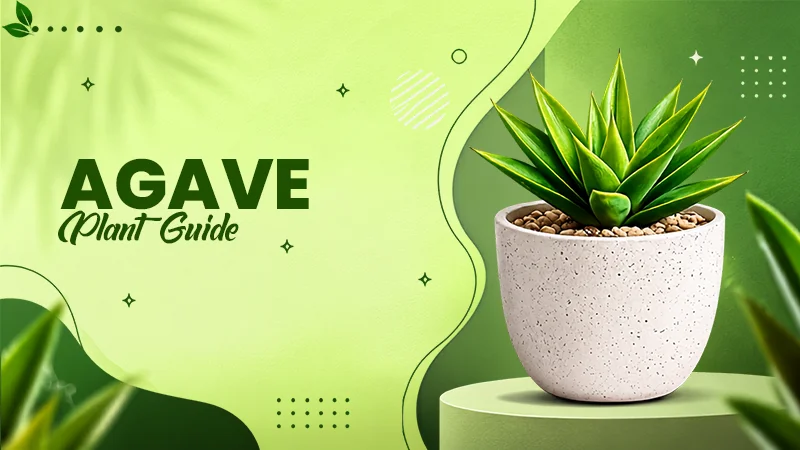
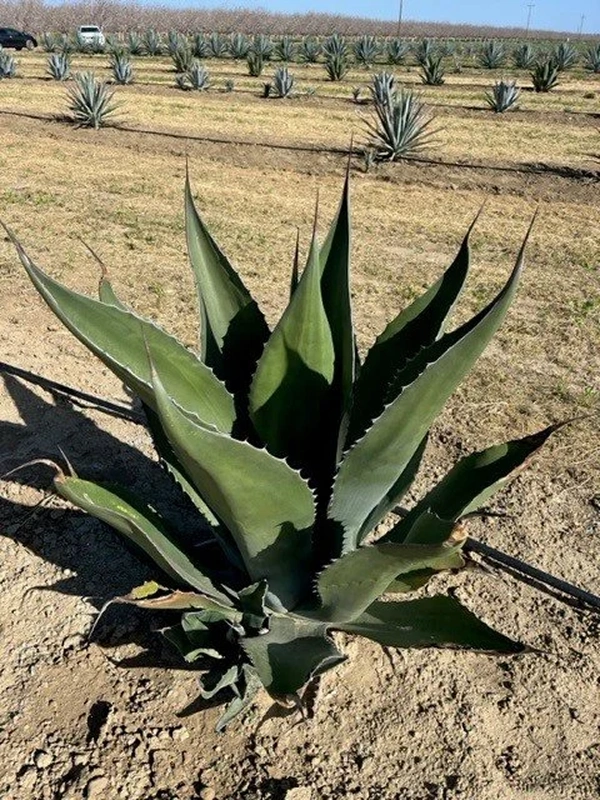
Agave plants are known for their huge leaves with sharp tips. The plant is perfect for making a bold statement indoors or in gardens. It offers over 250 species, and ranges from small to large-sized plants.
This plant requires plenty of sunlight and thrives in rocky, sandy soil. Small steps keep the plant healthy throughout the year. Let us dive into the taxonomic overview, ideal growing conditions, how to grow/propagate the agave plant, care requirements, and FAQs regarding the agave plant.
Taxonomy and Ideal Growing Conditions
Agave plants are low-maintenance plants that thrive in sandy soil. They are known for their drought-tolerant properties. For more general information, here is the taxonomic overview and ideal growing conditions of the plant.
| Botanical name | Agave |
| Kingdom | Plantae |
| Order | Asparagales |
| Family | Asparagaceae |
| Subfamily | Agavoideae |
| Genus | Agave |
| Characteristic | Showy |
| Hardiness | 5-11 USDA zone |
| Light Requirements | Bright, direct sunlight |
| Plant type | Perennial, succulent |
| Bloom time | Varies; mostly the agave bloom only once in their lifetime |
| Plant colours | Green, white, and yellow |
| Soil | Well-drained, sandy soil with acidic and neutral pH levels. |
| Water Requirements | Mature agave plants are very drought-tolerant. You only need to water the plant when the soil starts to dry completely, or there hasn’t been any rain for a long time. Note- when the plant is established, it requires water every 4 to 5 days for at least a month and a half. |
| Mature size | 1 to 20 ft. tall and 1 to 10 ft. wide |
| Fertilizers | The Agave plants are not heavy feeders. You can fertilise the plant when you want flowers to bloom. Generally, people avoid fertilising the plant as flowering leads to plant death. |
| Native area | North America, South America, and Central America |
| Resilience | Drought-tolerant |
| Toxicity | The plant is toxic to humans and pets |
Popular Varieties of Agave Plant
The agave plant has more than 270 recognised species. Here is the list of the 10 most commonly found species of agave plants with their description:
| Variety | Description |
Agave americana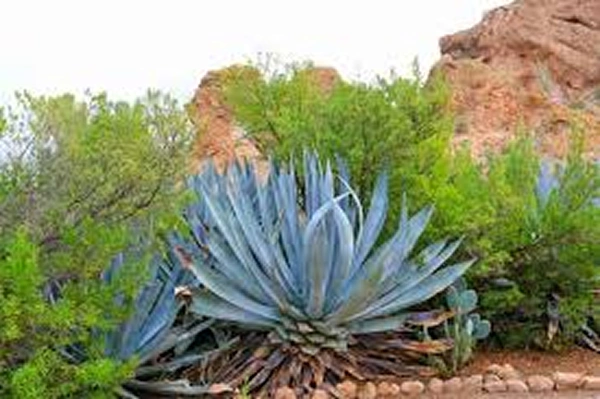 | It is a large and dramatic variety of the agave plant with blue-grey leaves and sharp spines. The plant can grow up to 6 ft. tall and 10 ft. wide. |
Agave attenuata 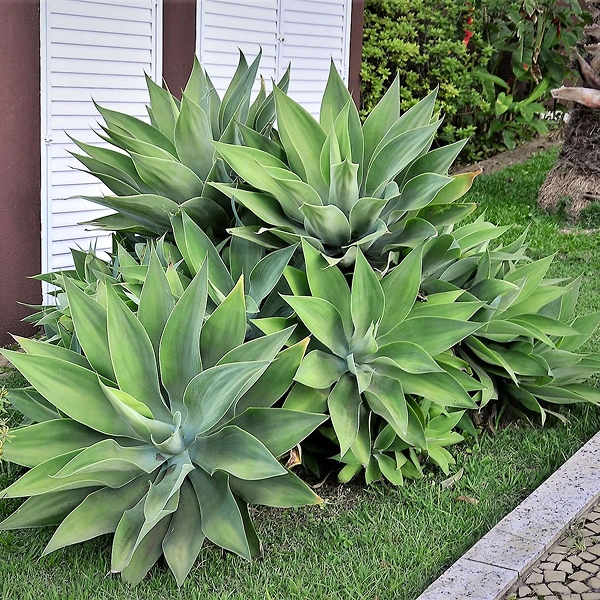 | Agave attenuata is a medium to large-sized agave with soft, pliable leaves that lack spines or sharp teeth. The plant can grow up to 5 ft. tall and 10 ft. wide. |
Agave Blue Glow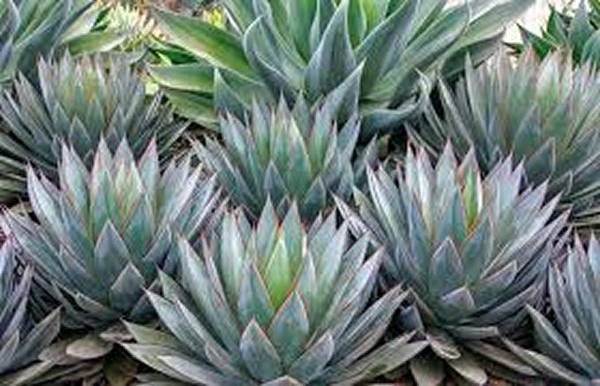 | It is a small to medium-sized plant with blue-grey leaves that have red margins, and can grow up to 2 ft. tall and 3 ft. wide. |
Agave victoriae-reginae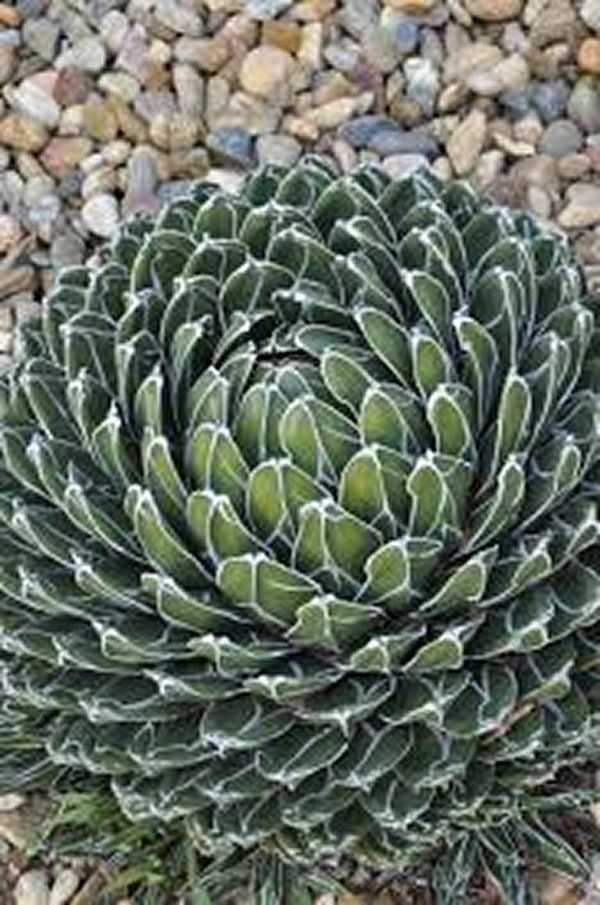 | Victoriae-reginae are the smaller agave with dark green leaves, which can grow up to 1 foot tall and 2 ft wide. |
Agave parryi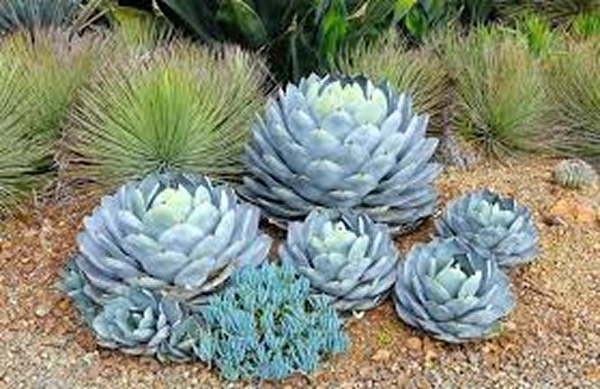 | It is a small to medium-sized agave with blue-grey leaves, which grows up to 2 ft. tall and 3 ft. wide. |
Agave desmettiana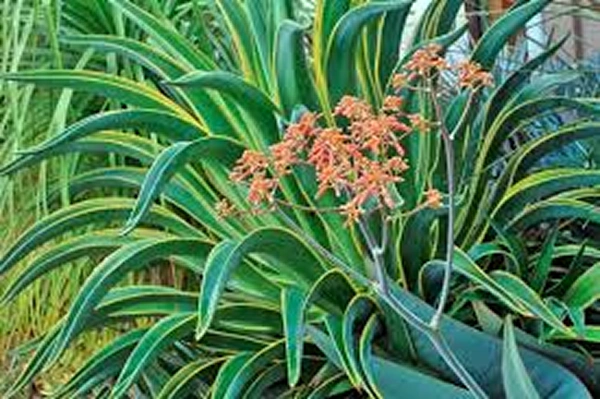 | A larger agave, which typically grows up to 3 ft. tall and 4 ft. wide, has green leaves with white stripes. |
Agave bracteosa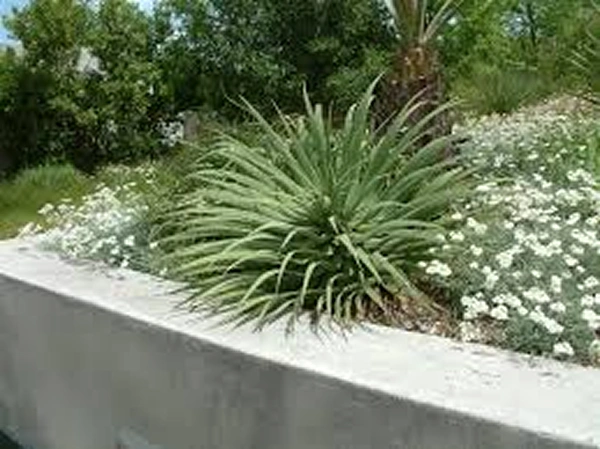 | They are smaller agaves with soft, pliable leaves. The plant can grow up to 1 foot tall and 3 ft. wide. |
Agave filifera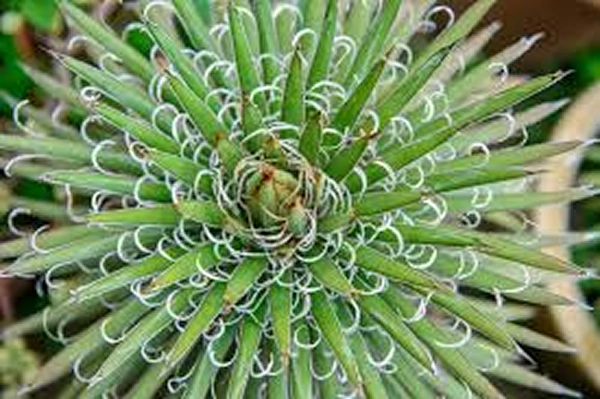 | Agave filifera is a medium-sized plant with green leaves that have white threads, which can grow up to 2 ft. tall and 3 ft. wide. |
Agave parrasana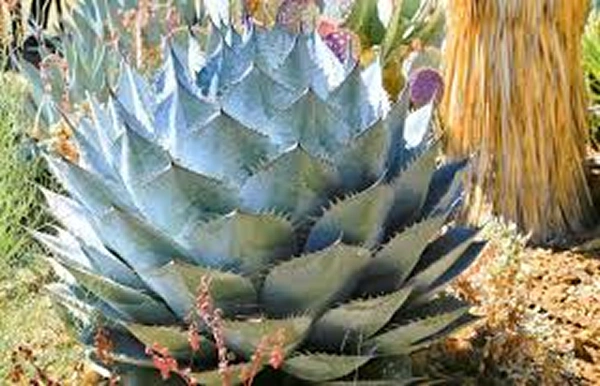 | This variety of agave is small to medium-sized. The plant can grow up to 2 ft tall and 3 ft. wide. |
Agave vilmoriniana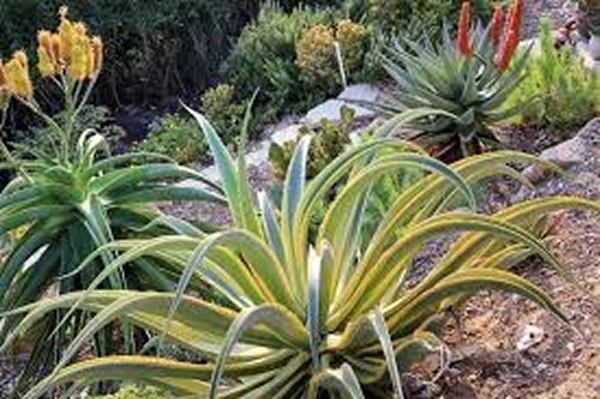 | They are also known as Octopus Agave. The plant has long, narrow leaves that curl upward. The plant grows up to 4 ft. tall and 6 ft wide. |
How to Grow Agave Plant?
It is easy to grow an agave plant using seeds. The seedlings usually develop a few weeks after sowing. Here are some steps to grow the agave plant from seeds:
- Get a container with a proper drainage hole and a seed-starting mix.
- Scatter the agave plant seeds on the top, without covering them with soil. In some species, the seeds require less sunlight to germinate. If so, cover the seeds with loose soil.
- Lightly moisten the soil.
- Cover the container with plastic wrap.
- Place the container in bright, indirect sunlight.
- Remove the plastic wrap once you notice the seedlings emerge.
- Water the seedling once every 5 to 6 days for a month for better growth of the plant. Later, slowly reduce the quantity of watering.
How to Propagate Agave Plant?
Mature agave plants produce pups, or new plants, around their base. The plant can be propagated using these pups. Here are some simple steps that will help you to propagate the agave pups:
- Loosen the soil around the pup to find the root connecting the parent plant. Cut it with the help of a sharp trowel. Make sure that you don’t cause any harm/damage to the roots growing from the pups.
- Gently dig up the pup and place it in a shaded, ventilated area for a few days.
- Using succulent potting mix, plant the pup in a small container with drainage holes.
- Lightly moisten the soil and place the container in a warm and bright spot.
- Water the plant every 2 to 3 days or as soon as the top layer of soil starts drying. Do not overwater the plant, as it can cause root rot and kill the plant.
Ideal Caring Tips for an Agave Plant
The agave plant is a very low-maintenance plant. It is also known for its drought-tolerant property. Here are some agave plant care tips:
- Agaves prefer well-drained soil with slightly acidic to neutral pH levels. Avoid using the soil that retains moisture or becomes waterlogged. The preferred soil for the agave plant is sandy.
- The plant is drought-tolerant and therefore requires very minimal water to survive. But in the case of a small plant, it is essential to water it at least once every 5 days for a month. It will help the plant to grow properly.
- Remove dead or damaged leaves as needed, and cut back any flower stalks that have finished blooming.
- The agave plant grows best in direct sunlight, but it can tolerate a little shade. The hotter the weather is, the more shade they can handle.
- Fertilisers are least required for agaves. This is because fertilisers help bloom, which eventually causes the death of the plant.
Common Problems Associated With Agave Plant
When an agave plant is grown in ideal conditions, the plant rarely has problems. However, some environmental issues can cause the plant to struggle. Here is the list of common problems associated with the agave plant and their solutions:
| Problem | Solution |
| Leaves turning yellow | This issue can be caused by either overwatering the plant or insufficient exposure to sunlight. Monitor your plant to ensure that it is not placed in a shady area. If so, transfer the plant to a bright area which receives direct sunlight. |
| Drooping leaves | Drooping leaves can be caused by a pest attack on the plant. Agave snout weevils are likely to attack the plant. You might notice it when the plant almost dies. In this case, remove the dead plant to ensure that the pest does not attack other plants and kill them. Another reason behind drooping leaves is overwatering, which can cause root rot. Make sure that you allow sufficient time between waterings. |
Takeaways
Agave plant is a slow-growing, low-maintenance plant. It comes in over 250 species and various sizes, and some species of agave can take 10 to 30 years to mature and bloom. The plant is best known for its dramatic leaves.
If you wish to grow or propagate an agave plant, it can be easily done using seeds and pups. A little care is enough to maintain the plant; all you need to do is place the plant under direct and bright sunlight, and provide minimal water to a mature plant. Water the plant once every 2 to 3 weeks in the growing season and reduce watering during winter. Voila! Your plant will definitely grow taller and wider.
What is the best time to grow Agave?
- The best time to grow Agave is around spring or when there is warmth in nature, as Agaves best thrive in warm weather.
Which pests attract Agaves frequently?
- Not many pests attack the agave plant frequently. The only pest that attacks Agaves is the snout weevil.
How can I increase blooming in an Agave plant?
Agave plants only bloom once in their lifetime. This further leads to the plant’s death. If you want the plant to bloom, use a fertiliser which will promote flowering. Also, make sure that the plant is placed in direct sunlight, do not overwater the plant, and make sure that you plant Agave in warm weather.
Can I grow an Agave plant in winter?
It is advisable not to grow the Agave plant in winter, as the plant is not winter-friendly. The cold soil can slow the plant’s growth and might also affect blooming.
How long does an agave bloom?
The blooming period is a 3 to 4-month process. It begins with a giant central floral stalk that leads to flowers and the release of seeds.
Do agave plants keep reblooming?
No, after the main plant blooms, it dies; there is no chance of reblooming.
- 15 Hardy Types of Agave Plants That Can Handle the Cold: Yahoo
- Agave: Britannica