

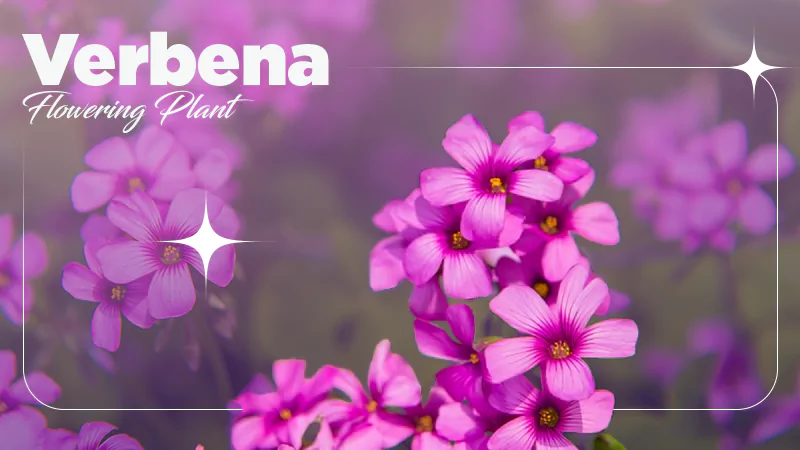
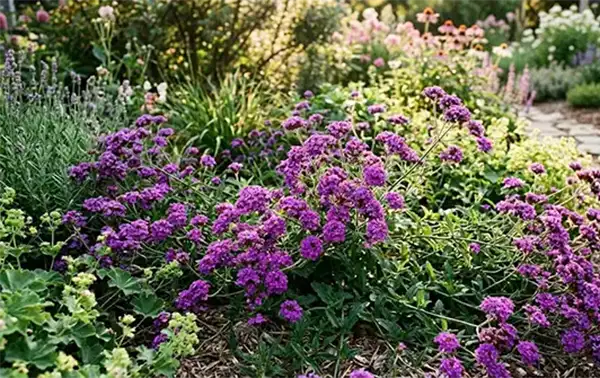
Verbena, well-known as vervain, is recognized plant for its 150+ species, which are native to America and Asia. This plant is a herbaceous flowering plant with five petals and a dense, leaf-like structure. Many of its varieties have traditionally been valued for their herbal and medicinal uses.
It is known for its drought resistance, low maintenance, and long-lasting blooms, which can brighten any balcony, garden, or pots for several months.
Thanks to its long flowering period and low-maintenance growth habit, Verbena is a favourite among gardeners. Read on to discover its different types, essential care practices, common growing mistakes, and useful gardening tips.
How to Grow a Verbena Flowering Plant? Growing Conditions and Essential Care Measures
Vervain is gardeners’ favourite due to its easy-to-grow nature. These flowering plants need 6-8 hours of full sun and well-drained sandy loam soil. They also require warm temperatures and consistent watering to grow optimally. Let’s see its growing conditions and some essential care measures:
Growing Conditions of Verbena Plants
| Growing Zones | USDA zones 7-11 |
| Sunlight needs | The plant needs at least 6-8 hours of light. In insufficient sunlight, it may become leggy and produce fewer flowers. |
| Water Requirements | Water regularly until the plants establish a strong root system. Make sure that the top layer of soil is dry before watering. Avoid overwatering as it can lead to fungal disease. |
| Soil Preference | Needs sandy or loamy soil with excellent drainage. Avoid heavy clay soil, it causes root rot. |
Care Measures For the Verbena Plants
- Fertilizers
These plants are not heavy feeders but benefit from light fertilization. Provide proportional liquid fertilizer for up to 4-6 weeks during the growing season. For the right amount of fertilizer, follow the product label guidance. Avoid overfertilizing, which can cause abundant foliage at the expense of flowers.
Pruning and DeadheadingMost of the verbena plant varieties do not need any pruning or deadheading. But in the trailing verbena varieties trimming helps to prevent the overcrowding and overtaking of the containers. Cut any dry, dead, or damaged branches. Also, lightly prune or pinch off the faded flowers during the growing season to encourage bushier growth.
- Temperature and Humidity
These plants thrive best between 21°C and 29 °C. When planted as annuals, they generally do well in any climate but may decline in the hottest summer conditions. If you are planting them as perennials, they are generally hardy to zones 7 to 11. Also, they need low to moderate humidity. Avoid overtly wet conditions and ensure proper air circulation to encourage their growth.
Taxonomic Overview of Verbena Flowering Plant
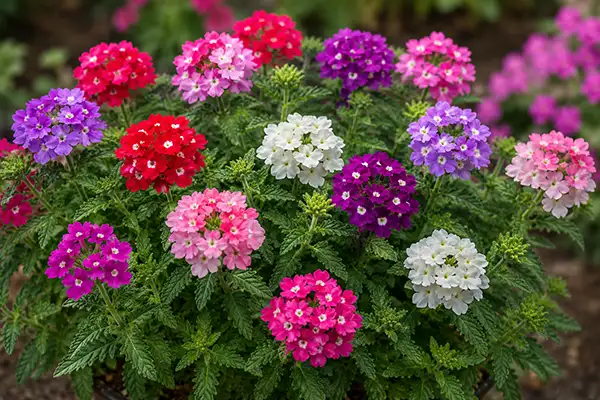
Verbena belongs to the Verbenaceae family and is commonly grown as an annual hybrid flower bed plant or trailer. These flowering plants are the fastest-growing perennials and annual plants. Take a look at its taxonomical hierarchy before moving on to the planting steps and varieties:
| Kingdom | Plantae |
| Order | Lamiales |
| Family | Verbenaceae (Vervain Family) |
| Genus | Verbena |
Types of Verbena Plant
Verbena comes in a variety of colours, shapes, and sizes. Some of them are annual or perennial growing plants upright, while others trail along the garden beds or spill attractively from hanging baskets and pots.
Therefore, down below we are gonna know about the different verbena flowers varieties for outdoor and indoor gardening:
Hoary Verbena
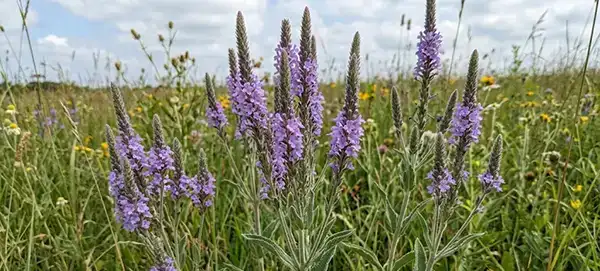
Hoary Verbena is a herbaceous perennial wildflower, identified for its growth habit, hairy stems, leaves, and dense spikes of purple flowers.
They typically grow between 2 and 4 feet tall, flourishing in poor, drained soils and hot weather conditions. With this, they can withstand dry conditions with ease. These verbena perennial leaves are quite distinct from others, which are rough in texture and lance-shaped.
Purple Top Verbena
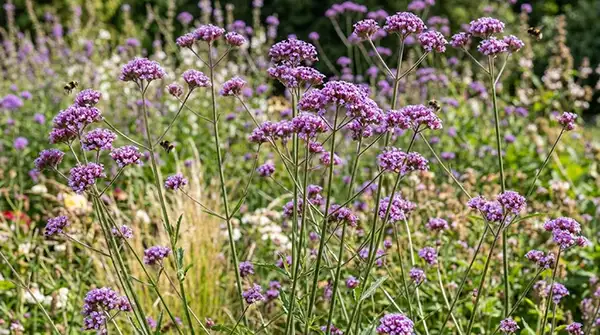
Purple Top Verbena, also known as the Tall Verbena or Argentine Vervain. You can use this flowering plants for home gardens due to their distinct visual appeal.
This verbena plant has a hairy structure and the ability to attract the pollinators. These verbena flowers are long-lasting with high branching stems that create a floating effect in the garden.
They can grow up to 3-6 feet tall from late spring to winter. Purple top verbena’s hairy growth habits help in blending perfectly with other flowers while adding height and landscape to any place.
Slender Vervain
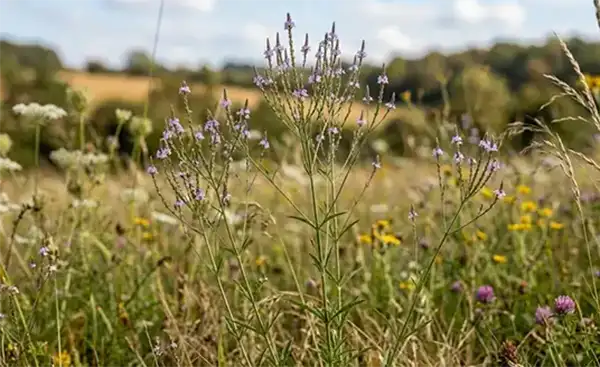
Slender Vervain is a low-maintenance verbena flower variety. It is known for its purple clusters of blooms that stay from summer to winter. They typically grow up to 1-2 feet tall and expand slowly via subsurface rhizomes, making them the perfect choice for rock gardens, borders, and ground covers. In colder places, it is kept as an annual plant because of its temperature tolerance up to -5 °C.
The leaves of these plants are dark green, with serrated edges and rough in texture. Due to its long flowering period, drought resistance, and striking colour, it is an ideal choice for gardeners.
American Blue Vervain
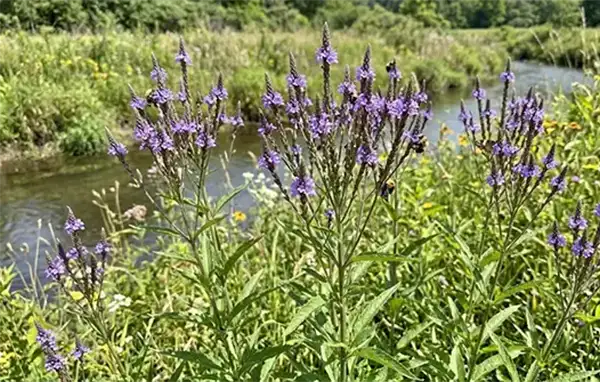
American blue vervain is a low-maintenance and easy-to-grow flowering plant that is beautiful in colour and native to North America. It grows up to 2-4 feet from summer to winter. This garden verbena is quite similar to the normal Verbena plants, but its lance-shaped leaves make it different and are called ‘hastata’.
This provides nectar to pollinators and operates as the host plant for butterfly species.
How to Plant a Verbena Flowering Plant? A Step-by-Step Guide
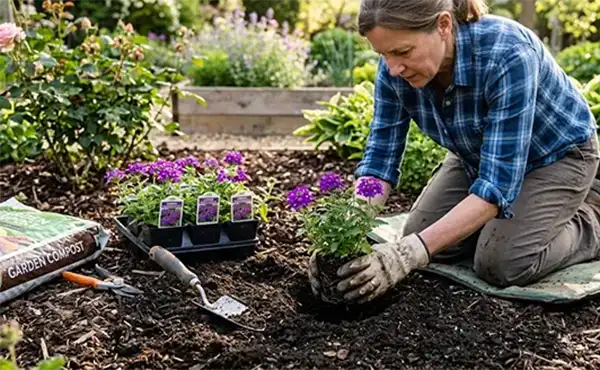
Verbena is known as a sun-loving flowering plant, blooming for months with beautiful colours. It is easy to plant it in the ground or a pot. Follow these steps while planting your verbena to give it the best start, such as:
- Select the right area that provides direct sunlight for up to 6-8 hours.
- Prepare well-drained soil. Later, if it feels heavy, mix it with sand to improve the drainage, as verbena does not grow soggy roots.
- Space the seedlings or potted plants at least 12-18 inches apart to provide room for spreading.
- Dig a hole in the ground that is slightly larger than the rootball. Carefully remove the verbena from its nursery pot and put it in the hole.
- Fill the hole with soil and press it gently to remove the air pockets around it.
- Water thoroughly after planting immediately to help the roots settle.
Common Pests and Their Solutions in Verbena Plants
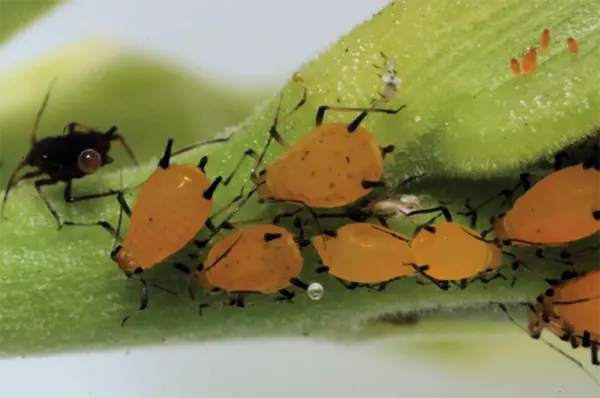
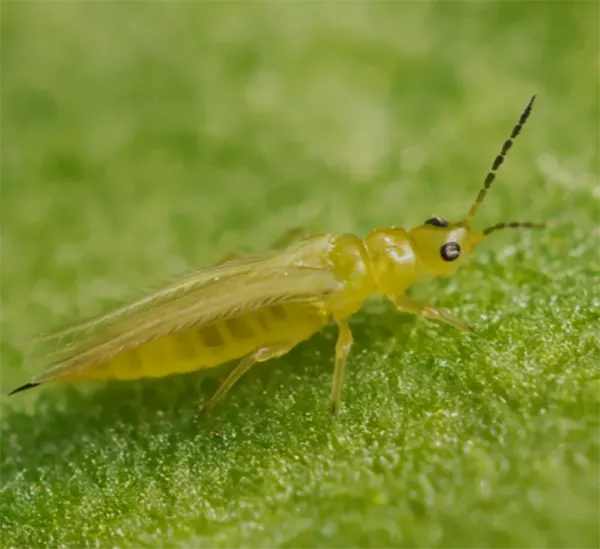
Even though the verbena plant has a low-maintenance nature, it can be affected by pests and diseases. To solve this, one must do regular inspections and use insecticidal soap for removing pests, so you can keep your flowers blooming and healthy.
In this table, you will know where the pests cause harm and what the key ways are to remove the pests:
| Pests | Signs | Solutions |
Aphids
 |
|
|
Thrips
 |
|
|
Spider Mites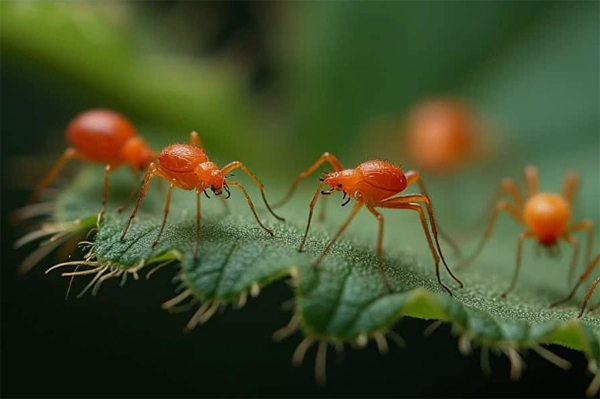 |
|
|
Whiteflies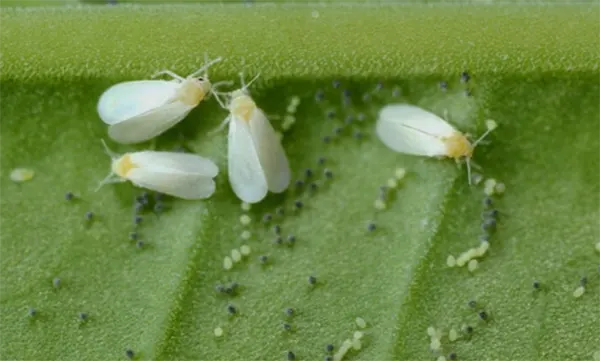 |
|
|
What is the Difference Between Annual or Perennial Verbena Plants?
Verbena can be either annual or perennial; it totally depends on the climate temperature and the species in which it is grown. Some of the species live for only a few years, while others return year after year.
So, let’s know more about the annual and perennial plants through the table given below:
| Annual Verbena | Perennial Verbena |
| They complete their lifecycle in one year. | They live and bloom for multiple years. |
| This variety is short and compact in nature, usually reaching a height of 6-18 inches. | This type is taller and robust, some can reach up to 2-6 feet in height. |
| Typically used in all regions but cannot tolerate frost conditions. | Hardy in usually 7-11 hardiness zones. |
| Features flowers in a wide range of vibrant combinations. | Flowers are generally of pink, blue and purples shades. |
Typical Mistakes to Avoid in the Verbena Plant Care
Verbena is one of the flowers that is easy to grow, but due to a few common mistakes, it can cause wilt or die. If your verbena plant is struggling, check out for these things to avoid:
Overwatering
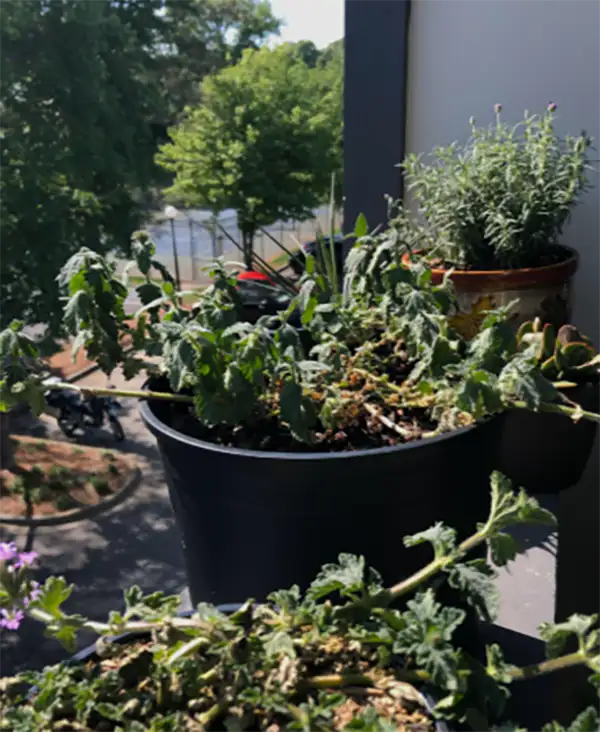
One of the most common causes of improper growth of verbena plants is overwatering. The constant wet soil can lead to root rot, turning the leaves yellow, making them wilt, and lastly, causing them to fall off.
Solution: To solve this problem, try watering after the top layer of soil is dry.
Plant Diseases
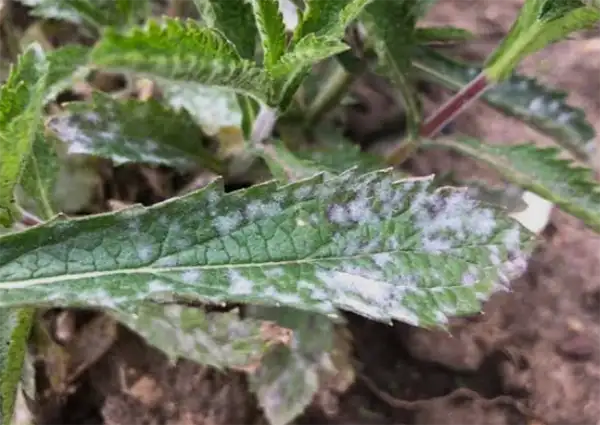
Many times, planters notice white powder-like coating appearing on the leaves. It is powdery mildew that happens due to poor air circulation, making the flower wither and stop blooming.
Solution: To treat the plant diseases, improve the air circulation, and remove the affected foliage.
Environmental Stress
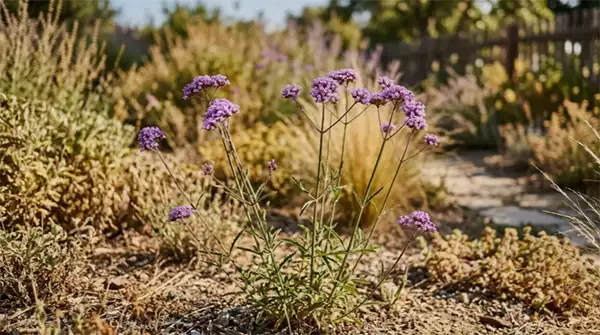
As verbena is both a perennial and an annual plant, the excessive heat and cold can lead to stressing the plant, which causes the flowering plant’s leaves to wilt, blackened stems, and dry foliage.
Solution: To avoid this, water daily and relocate the plant in the spot where it receives 6-8 hours of sun exposure.
Nutrient Deficiencies
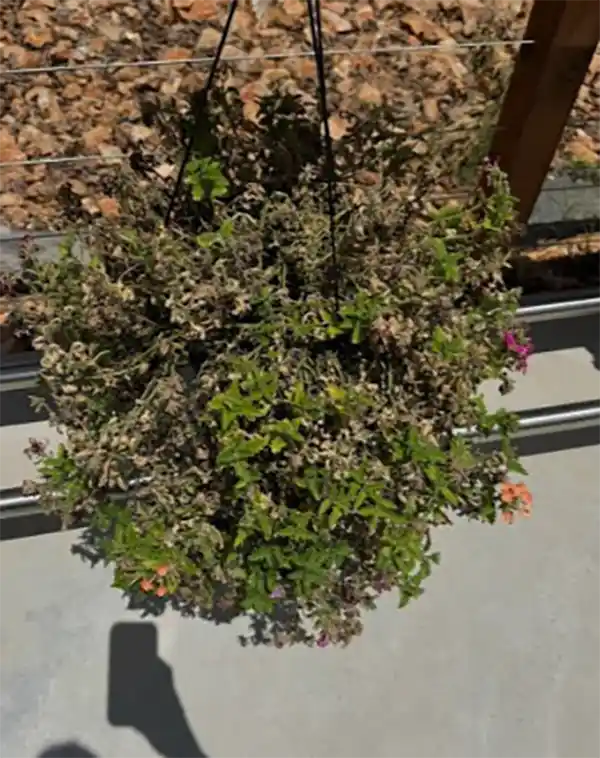
Several times, nutrient deficiencies in plants can cause issues like yellowing leaves, less flowering, and weak growth.
Solution: Try to apply the balanced fertilizer or add the compost to enhance the nutrients in the soil of the plant.
Conclusion
Verbena flowers are available in a wide variety as a perennial or annual flower. Blooming from spring to frost, they are perfect for pots, hanging baskets, or to build a pollinator friendly garden. With just a little maintenance and attention, anyone can grow verbena and add colour to dull landscapes.
Follow the above mentioned care measures to protect it from pests and diseases. Also, ensure to keep it under the right growing conditions, including water, soil and sunlight, to support its health and growth.
What is a verbena plant?
It is a popular flower known for its small clusters and colourful blooms, coming in 150+ species. It belongs to the genus of Verbenaceae, producing flowers from spring to frost.
What precautions should be taken while planting verbena?
The precautions that should be taken while planting verbena are to keep it in the light for 6-8 hours daily, check for pests, water wisely, and do daily inspections.
What is the most famous verbena variety?
The most famous verbena variety is Verbena bonariensis, also known as purpletop vervain.
What are the common problems with verbena?
The common problems with verbena are powdery mildew, root rot, pests, overwatering, and poor air circulation.