



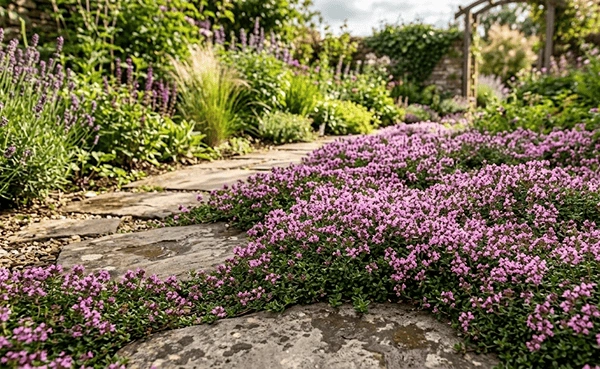
Creeping thyme, or wild thyme, is a perennial herb that features fine-textured foliage and small, fragrant flowers. It belongs to the mint family and is widely used as a vibrant ground cover.
I particularly love its dense, low-growing nature, which is best suited to create a soft, eye-catching carpet on the ground. If you want to add this versatile perennial to garden beds, between pavers, or simply in containers, come along and learn about its care, special features, and common pests and diseases.
Creeping Thyme Overview: Taxonomical Hierarchy and Special Features
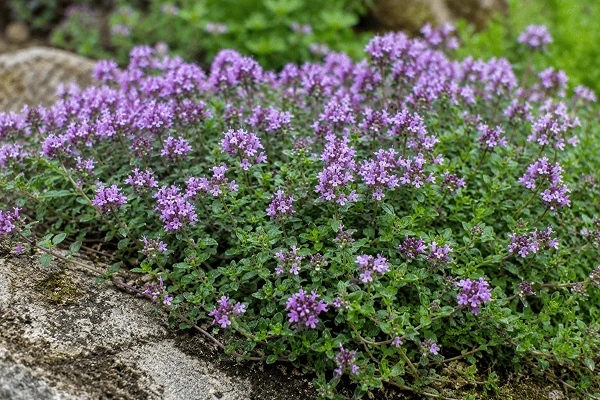
Creeping thyme, belonging to the Thymus genus, is native to Europe, Asia, and North Africa. It is highly valued as a pollinator-friendly groundcover and drought-resistant plant. Let’s see its taxonomy and key features before moving forward to its planting and propagation:
Taxonomic Hierarchy of Creeping Thyme
| Kingdom | Plantae |
| Order | Lamiales |
| Family | Lamiaceae (The Mint family) |
| Genus | Thymus (Thymes) |
| Species | Thymus serpyllum (Wild Thyme / Creeping Thyme) |
Special Features of Creeping Thyme
- Pollinator Magnet: It is the best plant to build a pollinator-friendly garden. This flowering thyme gets blanketed with red, purple, and pink blooms in summer. As a result, it attracts many bees and butterflies as a vital source of food.
- Drought Tolerant: Serpyllum thymus is one of the best low water plants. Once established, it develops a deep root system that helps it thrive well even in dry conditions with minimal watering.
- Medicinal Property: This plant is found to be rich in thymol (a natural antiseptic). Due to this, it has been traditionally used in treating many respiratory and gastrointestinal illnesses. A study by the National Center for Biotechnology Information supports its use as a source of natural antioxidants, nutritional supplements, or components of functional foods in the food industry.
- Height and Spread: The mat-forming perennial typically grows up to a very short height of 2-4 inches. Also, it can reach a spread of about 12-18 inches per plant. Though it spreads quickly, it is not considered an invasive plant and can be managed easily.
- Toxicity: According to ASPCA, the plant is non-toxic to cats, dogs, and horses. Though this type of thyme is not used primarily for culinary purposes, it is considered safe for humans and pets.
Did you know?
In medieval Europe, wild thyme was associated with magic. It was believed that it attracts fairies, especially on Midsummer’s Eve.
How to Plant Creeping Thyme?
You can plant the wild thyme from seeds or potted nursery starts. I prefer to use the starter plants because creeping red thyme seeds are slow to establish. The best time to plant it is in spring or early fall. Let’s see the steps that I followed to plant my red creeping thyme for the first time.
| Steps | Description |
Site Selection and Soil Prep | Select the spot that receives at least 6 hours of daily sunlight. Also, if you have heavy soil, amend it with sand or decomposed granite, as this perennial hates boggy soil. |
Planting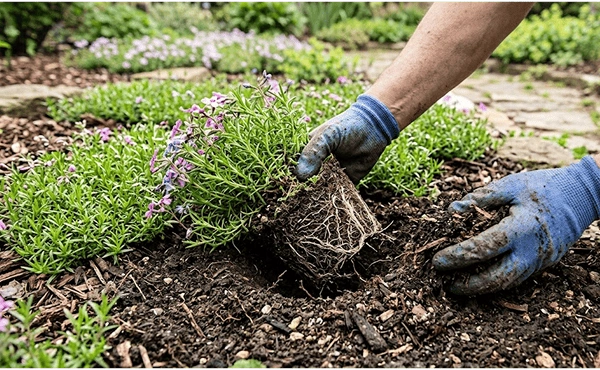 | Create a hole in the ground, slightly larger than the root ball of the plant. Place it inside the hole and gently press the soil to settle it. |
Spacing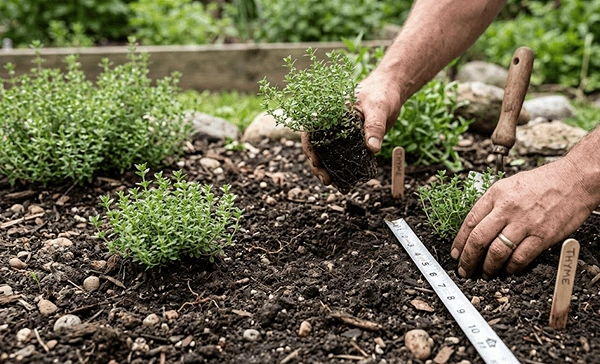 | Space the plants about 8-12 inches apart to form a dense mat. |
Care and Maintenance | Keep the soil consistently moist for a few weeks to establish the root system. |
- When to Plant: Consider planting in spring after the threat of frost has passed. The other alternative is planting in early fall, at least five weeks before the first frost. Avoid planting in the heat of summer when it becomes difficult for the plants to establish well.
- Growing in Containers: You can grow this thyme in containers easily. Use a high-quality potting mix with good drainage. For better results, add horticultural sand or perlite to the mix to improve the water flow in the plants and prevent it from having wet feet.
Did you know?
Wild thyme is a natural weed suppressor. Its dense growth habit acts as a barrier to weeds and prevents their growth.
Different Varieties of Creeping Thyme
There are many distinct wild thyme varieties based on their foliage texture and flower colours. Some of the famous ones are red creeping thyme for bright borders, and woolly thyme for soft foliage texture.
| Variety | Key Points |
Red Creeping Thyme (Thymus serpyllum ‘Coccineus’)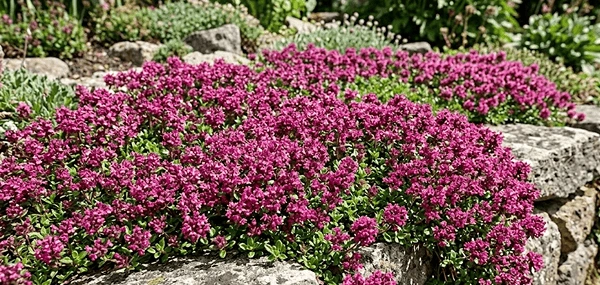 |
|
Woolly Thyme (Thymus pseudolanuginosus)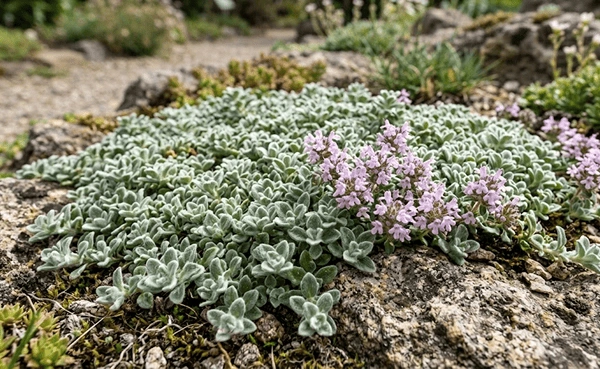 |
|
Doone Valley Thyme (Thymus praecox ‘Doone Valley’)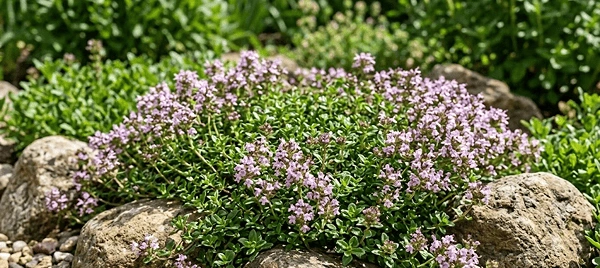 |
|
Elfin Thyme (Thymus serpyllum ‘Elfin’)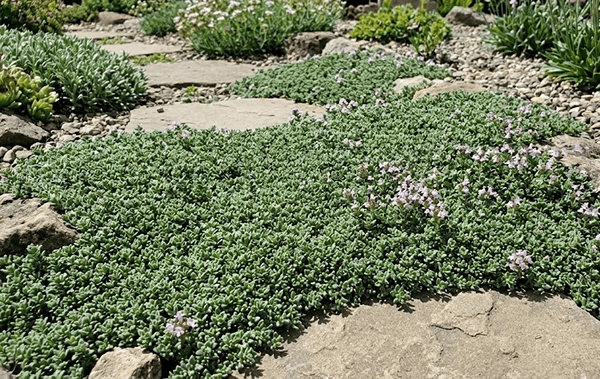 |
|
How to Grow Creeping Thyme? Essential Care Measures
Creeping thyme is a low-maintenance perennial. This flowering plant can grow well even when entirely unattended in its ideal growing conditions. It requires minimal watering and fertilisers. This low-growing perennial also wants full sun and low humidity. Let’s see the care measures in detail:
- Watering Requirements
Water consistently for a few months after planting it to help establish the root system. Keep the soil moist but not soggy to support its health. Once the plant is well established, it is highly drought-resistant. Water every 10 days or during dry spells, allowing the soil to get dry between the watering sessions.
- Sunlight Needs
For the best results, creeping thyme full sun exposure is recommended. The perennial needs at least 6 hours of daily direct sunlight to bloom well. Though you can make it thrive in partial shade too, it may produce fewer flowers.
- Soil and Fertiliser Preference
Avoid planting purple creeping thyme in compacted soils or wet conditions, as this can lead to root rot. Ensure proper drainage and loosen the structure of the soil by adding compost, leaf mould or organic matter. You can grow plants without chemicals, as they need no fertilisers once established.
- Pruning
It is not necessary to prune red wild thyme, but light trimming helps to maintain its shape and structure. It also encourages the plant’s growth and vigour. Prune the perennial in spring to prepare it for the growing season. Lightly reprune at the end of summer once it has finished blooming. It encourages the second flush of colour in the plant.
Pro Tip
Use the pruned clipping of the wild thyme for propagation to make new plants. You can also use them in the kitchen for aromatic purposes or simply toss them in the compost.
- Overwintering
Proper care helps creeping thyme survive frost in winter and return healthy in spring. In temperate climates, the perennial usually stays evergreen throughout the winter. However, in colder regions, plants are susceptible to losing their foliage.
To prevent frost damage, cover the 2-3 inches of the plant with loose mulch such as leaf mould. If you have grown this thyme in a container, simply move the container inside to prevent damage.
- Temperature and Humidity
This is the best flowering plant for home gardens that thrives in USDA zones 4 through 9. It is easy to grow plants if provided with a Mediterranean-style environment. Known to be a warm-weather plant, it thrives in temperatures between 15°C and 35°C.
This thyme variety doesn’t prefer humid conditions, growing well in dry and airy environments. If you live in an area with a humid or tropical climate, it’s best to improve the air circulation and avoid overcrowding of the plants.
How to Propagate Creeping Thyme? 3 Simple Ways
I prefer to propagate the creeping thyme through the ground layering method. It is the most effective way to create new plants while the stem remains attached to the mother plant. The other ways are the stem cutting method or the division method. Let’s see the steps of each of them:
By Layering (Easiest)
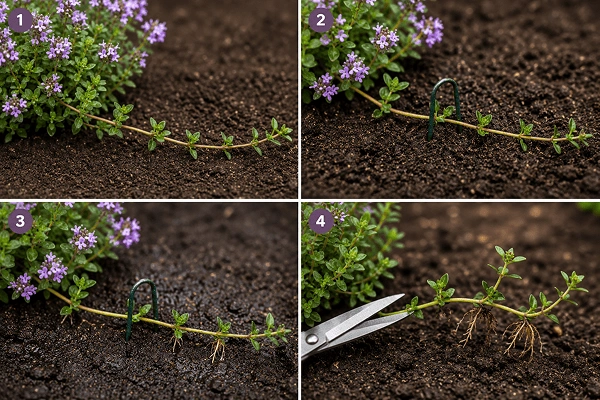
- Take the long, healthy stem of the plant that is still attached to the plant.
- Press the middle of the stem to the ground, leaving the leaf tip exposed. With a garden pin or bent paperclip, hold the stem to the ground.
- Keep the soil consistently moist. In a few weeks, nodes will develop the root system.
- Check the root system establishment by giving it a gentle tug. With sharp scissors, separate the stem from the mother plant.
Did you know?
Due to the fibrous root system, wild thyme binds the soil particles together. With this, it fights soil erosion, especially at the vulnerable hillsides.
By Stem Cuttings
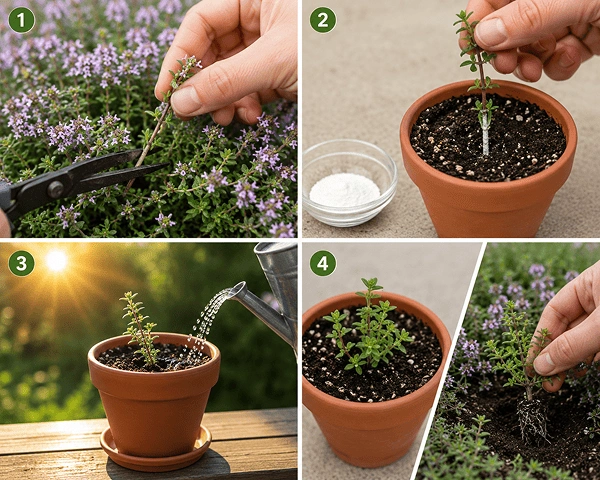
- Cut a 4-6-inch-long stem from the plant. Remove the leaves of the bottom 2 inches.
- Apply rooting hormone to the cut end and plant the cutting in the centre of the container. The container should have a rich potting mix.
- Place the pot in a sunny spot and water it consistently.
- Once the new growth appears, transplant it to the larger pot or directly to the ground.
Pro Tip
You can also propagate wild thyme in water instead of soil, for easy monitoring of the root growth.
By Division
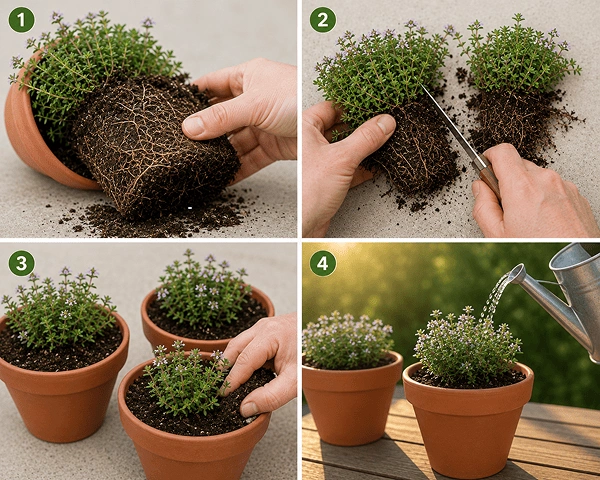
- Remove the root ball from the container, making sure the roots are intact.
- Gently cut the plant into smaller sections, ensuring that each new section has roots and foliage.
- Replant into the new pots and add soil around all sides of the root ball.
- Water it well and place it in a sunny spot.
Pest Infestations and Diseases in the Creeping Thyme
Wild thyme is known to be a pest-resistant plant due to its strong aromatic oils. But it is still susceptible to pests like spider mites, aphids and thrips under improper conditions. The plant can also be affected by some diseases, such as root rot and powdery mildew.
Let’s see the signs and treatment for pests and diseases in this subshrub:
Pests that Affect Wild Thyme
| Pests | Signs and Treatment |
Spider Mites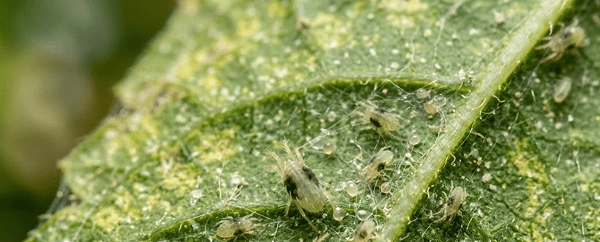 |
|
Aphids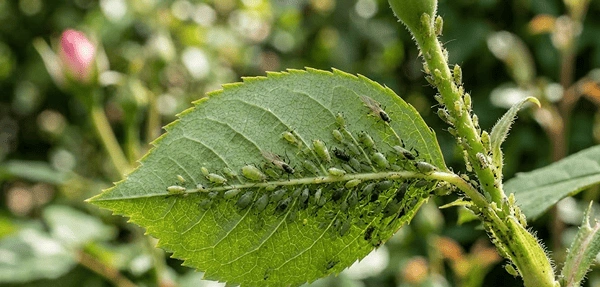 |
|
Thrips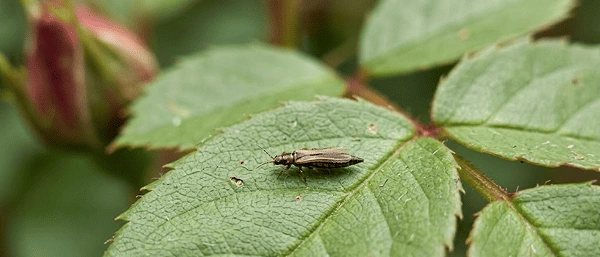 |
|
Diseases in the Wild Thyme
| Diseases | Signs and Treatment |
| Root Rot |
|
| Powdery Mildew |
|
| Botrytis Rot (Grey Mould) |
|
Smart Landscaping Ideas with Creeping Thyme
Wild Thyme is highly versatile and can be added in distinct spots in the garden. It is popular as the lawn alternative that can tolerate light foot traffic. This subshrub can also be used to create attractive pathways.
- Between Pavers and Stepping Stones
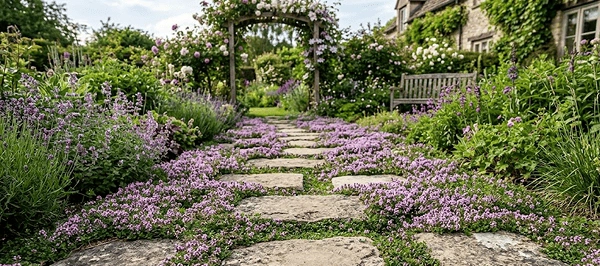
Use creeping thyme plant to create a colourful, fragrant pathway between the pavers and stepping stones.
- As a Lawn Alternative
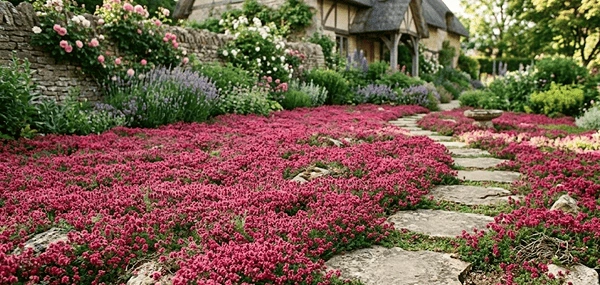
Create a red thyme lawn in the areas with poor soil and full sun. This perennial is perfect for lawns, as it requires less water and fertiliser than grass and naturally suppresses weeds.
- In Rock Gardening
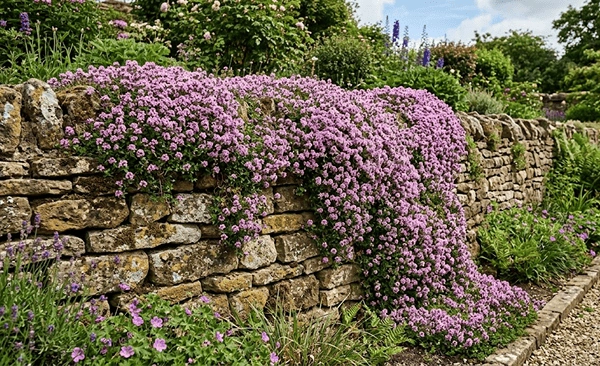
Due to its mat-forming habit, it is a great plant for rock gardens. You can use it to cascade over the rock walls to create vertical visual appeal.
Final Words
Creeping thyme is best for gardeners who want a low-maintenance plant with a cushion-forming habit. Blooming with pink, white, purple and red flowers, this sun-loving perennial is best suited to enhance the look of lawns, containers and rock gardens.
It is important to mention that this thyme lives for 4-5 years at most. So, if you have had it in your garden for these years and it’s turning brown and dry, it’s probably reaching the end of its life. To rejuvenate your plant, prune it and propagate it with any of the above-mentioned methods.
Is creeping thyme a perennial?
Yes! It is an evergreen perennial that comes back year after year with fragrant blooms.
When does creeping thyme bloom?
The subshrub blooms from late spring to midsummer for about 3-4 weeks with tiny tubular flowers.
When to plant red creeping thyme?
Plant it in the spring after the frost has passed. It can also be planted in early fall in areas with mild winters.
How long does creeping thyme bloom?
It generally blooms for 3-4 weeks during the spring and summer. However, depending on the variety, flushes can be seen till September.
Is creeping thyme evergreen?
Yes, creeping thyme is evergreen or semi-evergreen in colder regions. It usually maintains its lush foliage throughout the year.
- Spice Up Your Life: A Beginners Guide to Growing Thyme – University of Florida
- Wild thyme (Thymus serpyllum L.): a review of the current evidence of nutritional and preventive health benefits* – Frontiers
- How to grow creeping thyme – BBC Gardeners’ World Magazine