
Flowers have been a centre of decor and celebration due to their enchanting fragrance. With their scent carrying different meanings and history, fragrant flowers are a great addition to both gardens and home decor. In terms of gardening use, fragrant flowers naturally attract pollinators and make the whole process of planting worthwhile.
If you are planning a home gardening project, let me take you through a lot of scented flower plants along with their features, uses, and meanings.
15 Fragrant Flowers For Your Garden: Features and Symbolism
Some popular fragrant flowers for your garden and flower arrangements are Peony, freesia, lily, rose, tuberose, lilac, jasmine, hyacinth, gardenia, lavender, myrtle, orange blossom, honeysuckle, heliotrope, and magnolia.
Take a look at the list of 15 fragrant flowers in detail.
1. Peony
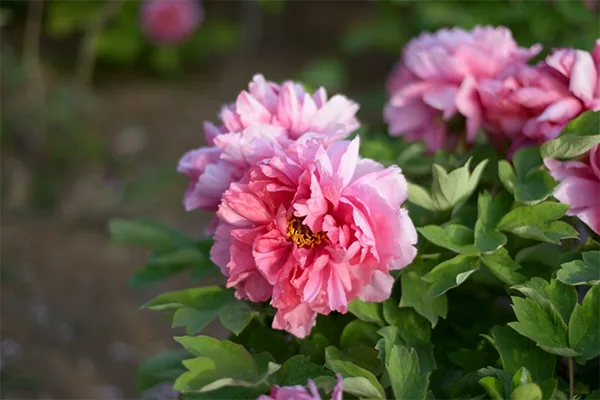
| Botanical Name | Paeonia |
| Genus | Paeonia |
| Native Range | Asia, Europe, and Western North America |
Peonies are a popular fragrant flower from the Paeoniaceae family. These flowers grow up to a height of 2-7 feet and feature cup-shaped blooms in an array of colors. There are over 10,000 varieties of peony flowers, which are divided into 3 categories: Herbaceous, tree, and Itoh peonies, which are divided based on their growing habit.
Peonies are used as wedding flowers and are a symbol of romance and good fortune.
2. Freesia
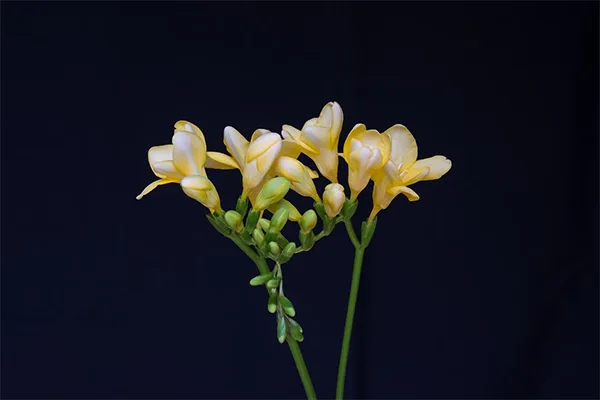
| Botanical Name | Fressia |
| Genus | Fressia |
| Native Range | Eastern and Southern Africa |
The freesia flower is part of the Iris family, which also includes gladioli. These flowers grow up to a height of 1-2 feet with trumpet-shaped flowers. These white flowers grow up to 1 foot large, making them perfect for filler flowers. Grown around spring, freesia blooms in summer and has a sweet, honey-like fragrance.
It is named after Dr Friedrich Frees by his botanist friend Christian Friedrich Ecklon, which also makes this flower a strong symbol of everlasting friendship.
3. Lily
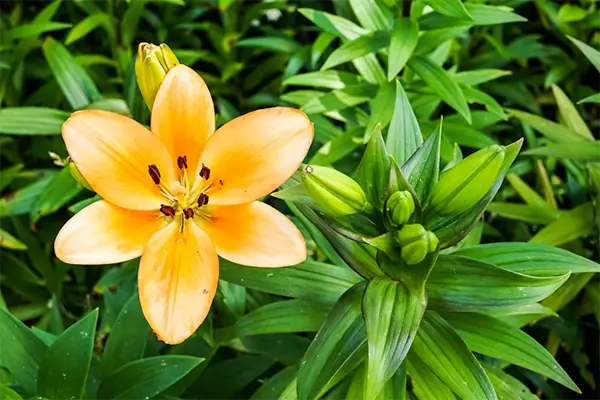
| Botanical Name | Lilium |
| Genus | Lilium |
| Native Range | Asia, Europe, and North America |
Lilies are a flowering genus from the Liliaceae family that grow best in hardiness zones 3-9. Featuring trumpet-shaped flowers, they grow up to 1-6 feet tall. These bulbous perennial flowers are available in a variety of colors, like red, pink, orange, and yellow, which symbolize different ideas. Lilies work best as both filler and focal flowers.
Historically, the lily flowers were used by the Ancient Greeks for skincare purposes. Also used as wedding flowers, they can last up to 2 weeks in a vase, making them extremely favourable for bouquets.
4. Rose
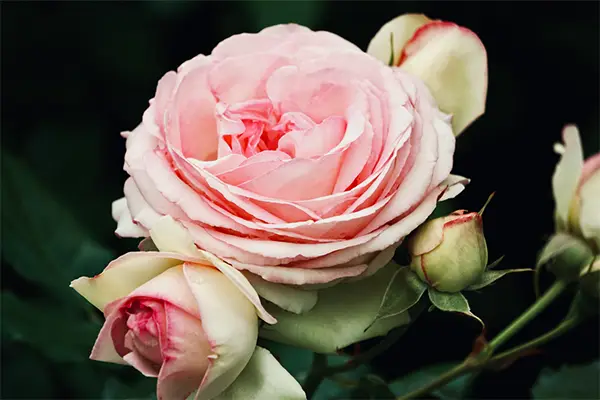
| Botanical Name | Rosa |
| Genus | Rosa |
| Native Range | Northern Hemisphere |
Roses are one of the most renowned flowers in the botanical world. They are brown both as shrubs and vines. Grown in different colors, from red, pink, yellow, and orange to even black, these flowers are a symbol of love and passion. They are now up to 9 feet for shrub varieties and 20 feet for the climber plants. Popularly used as cut flowers, these flowers can last up to 2 weeks in the vase. According to BBC Gardener’s World, roses are one of the most important plant families in the gardening world.
5. Lilac
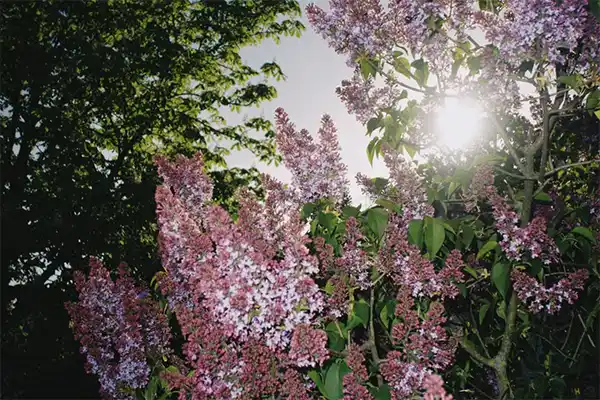
| Botanical Name | Syringa vulgaris |
| Genus | Syringa |
| Native Range | Southeastern Europe |
Part of the Olive family, the lilac flower is often confused with the lavender flower due to their spike-like flowers. They reach up to a height of 15 feet and symbolize the idea of first love and purity. The low-water plants can be easily maintained in home gardens and are primarily used in flower arrangements due to their fragrance. As per Britannica, lilac flowers are commonly grown in temperate regions, as they are accustomed to survive in hardiness zones 3-9. They are safe for pets, but always consult a vet to avoid any complications.
6. Tuberose
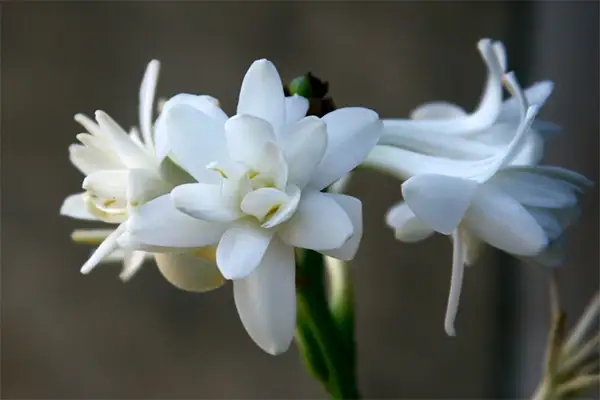
| Botanical Name | Polianthes tuberosa |
| Genus | Polianthes |
| Native Range | Mexico |
Often confused with the true rose, tuberose is a perennial flower that is a part of the Asparagus family. These waxy white flowers are named so due to their tuberous roots. They are shaped in the form of a trumpet and also resemble the calla lily flowers. Symbol of purity and innocence, these flowers are ideal for a flower arrangement. They grow up to a height of 2-3 feet and bloom around July to September and die back in winter. Ideally grown in hardiness zones 7-11, the tuberose is intolerant of winter and prefers perfectly warm soil to bloom profusely.
7. Jasmine
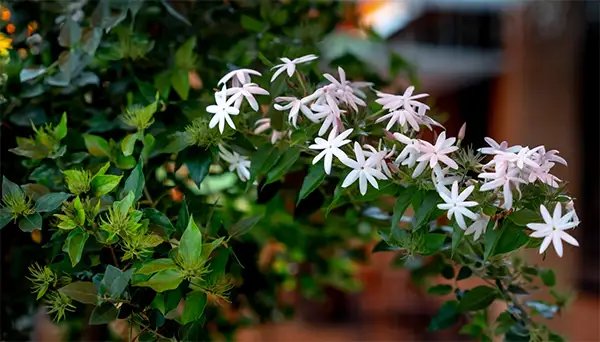
| Botanical Name | Jasminum officinale |
| Genus | Jasminum |
| Native Range | Asia, Africa, and Oceania |
The Jasmine flower is one of the most popular fragrant flowers, which is grown both as shrubs and vines. They belong to the Olive family and can grow up to a height of 20 feet with proper care. These white flowers, as well as all-white blooms, are a symbol of purity and innocence and can be used in weddings and baby showers.
8. Hyacinth
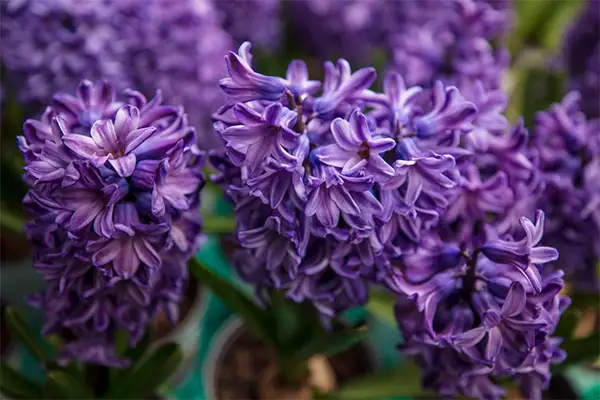
| Botanical Name | Hyacinthus orientalis |
| Genus | Hyacinthus |
| Native Range | Eastern Mediterranean, Middle East, and Asia |
The hyacinth flowers are a part of the Asparagus family and feature bell-shaped flowers. These spring-blooming perennial flowers grow up to 12 inches tall and can be used as filler flowers in cottage gardens. With an extremely strong and floral scent, they’re great to be paired with roses and lilies. The cluster-like flowers of hyacinths give them a very luscious look. They have moderate water needs and are popularly used as a garden ornamental flower. Hyacinths are a symbol of rebirth and spring, accurately symbolizing their perennial growing nature.
9. Gardenia
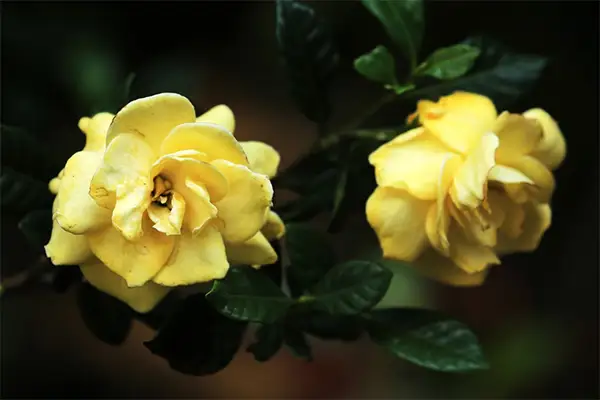
| Botanical Name | Gardenia jasminiodes |
| Genus | Gardenia |
| Native Range | Tropical and subtropical regions of Asia, Africa, and Madagascar |
Gardenia is a popular fragrant flower that belongs to the coffee family. These creamy white flowers grow up to 3-8 feet tall and emit a rich, aromatic fragrance, which is perfect for ornamental and cut flower purposes. They are ideally grown in zones 8-11, which makes them highly intolerant of extreme winters. They are a symbol of secret love and refinement and are great for weddings and baby showers.
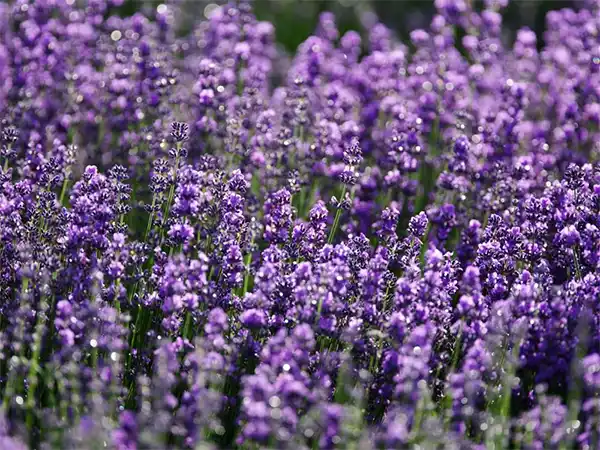
10. Lavender
| Botanical Name | Lavandula angustifolia |
| Genus | Lavandula |
| Native Range | Mediterranean regions |
Lavender is renowned in the botanical world for its aromatic scent. These purple, spike-like flowers are often confused with lilac flowers. They grow up to a height of 1-3 feet and are used for gardening purposes. These pollinator-friendly flowers were used for aromatherapy due to their herbal scent, which still continues in modern times. Lavender has low water needs, and overwatering can lead to root rot.
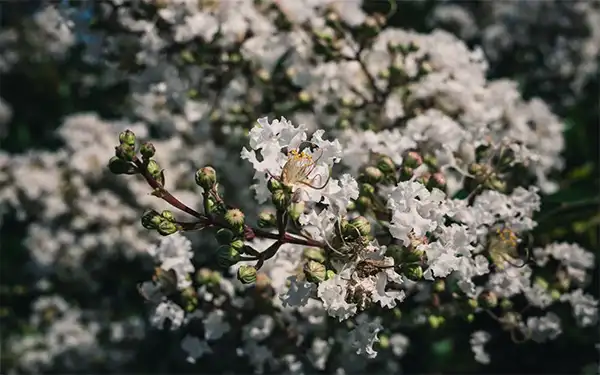
11. Myrtle
| Botanical Name | Myrtus communis |
| Genus | Myrtus |
| Native Range | Mediterranean regions |
Myrtle is an aromatic evergreen shrub that belongs to the Myrtaceae family. They grow up to a certain height of 4 feet tall and feature small white flowers with a sweet, pine-like fragrance. Ideally grown in zones 7-10, which means they are intolerant of freezing winters. These M-letter flowers bloom in early summer and can last 10 days or more in a vase.
As per NCBI, the myrtle flowers are credited with medicinal properties like antioxidants and anti-inflammatories. Additionally, as per ASPCA, the crepe myrtle is not toxic to pets and can be planted or placed indoors.
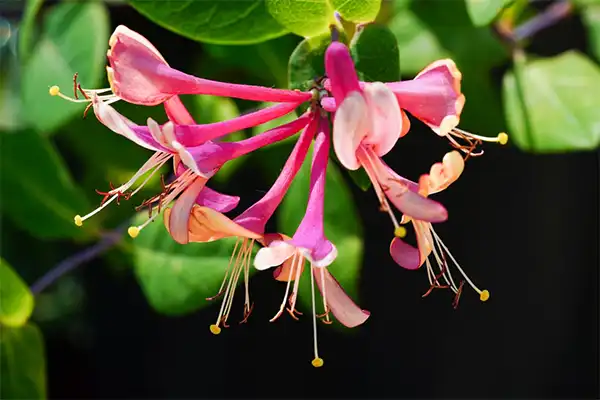
12. Honeysuckle
| Botanical Name | Lonicera |
| Genus | Lonicera |
| Native Range | North America, Europe, and Asia |
Honeysuckle is a flowering genus that belongs to the Caprifoliaceae family and contains over 800 species of flowering plants. These pollinator-friendly flowers have a honey-like scent and are grown both as deciduous/evergreen vines and bushy shrubs. Grown mainly in the colour yellow, these tubular flowers are available in a variety of colors, like pink, red, and orange. They grow up to a height of 1-2 feet and are associated with the idea of love and enduring ties.
Lastly, traditionally, honeysuckle was used to treat inflammation in many cultures, which also establishes it as a medicinal plant and ornamental beauty.
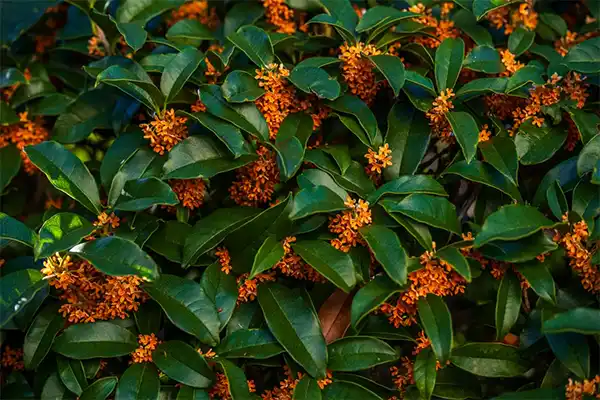
13. Orange Blossom
| Botanical Name | Citrus × sinensis |
| Genus | Citrus |
| Native Range | Southeast Asia and East Asia |
Part of the Rutaceae family, orange blossoms are named so due to the orange colored fruits, which are used for making oil and perfume. These broadleaf evergreen trees grow up to 20 feet and feature white flowers. Their flowers emit a citrusy scent and are a symbol of marriage and fertility.
These mid-summer blooming flowers are popularly used for ornamental purposes and as accent flowers but can be occasionally used for flower arrangements. Be careful while bringing them indoors, as they are considered toxic to pets.
14. Heliotrope
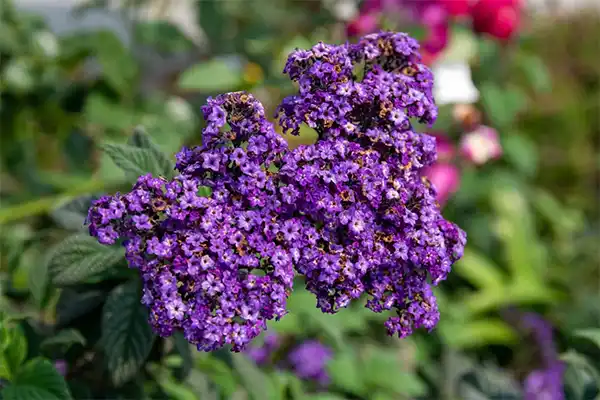
| Botanical Name | Heliotropium arborescens |
| Genus | Heliotropium |
| Native Range | South America |
Heliotrope is a garden shrub from the Boraginaceae family that features purple, blue, and white flowers. They grow up to 1-4 feet tall with flowers that emit a sweet fragrance, ideal for both gardening and cut flower purposes.
These pollinator-friendly flowers are named due to their sun-tracking habit, as heliotrope translates to turning to the sun. Additionally, heliotropes are toxic to pets and should be maintained properly.
15. Magnolia
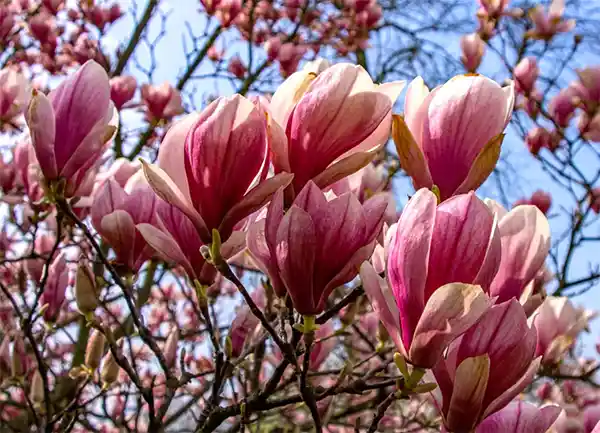
| Botanical Name | Magnolia L |
| Genus | Magnolia |
| Native Range | East, South, and Southeast Asia |
Magnolia is a renowned flower family that grows large white, cup-shaped flowers and green leaves. These are large shrubs/ medium sized trees up to 20-14 feet, depending on the variety. The flowers have a blend of sweet, spicy, warm, and complex fragrance, which is a symbol of femininity, purity, and dignity.
Additionally, the magnolia is the National flower of Korea, symbolizing the idea of resilience.
Concluding Remarks
In conclusion, fragrant flowers are a great way to add charm to your landscape. Since flowers are known to be grown and primarily used for their fragrance, this list of flowers is for your next gardening project. Whether it is the sweet fragrance of lavender flowers or the citrusy scent of orange blossoms, every flower has its own personality, ideal for versatile gardening options.
My advice to gardeners would be to make sure that you understand the varying care of each flower, along with their toxicity towards pets and humans, to ensure safety.
What are the most fragrant flowers?
Jasmine, Gardenia, Tuberose, and Lilies are some of the most fragrant flowers, which can be used both for gardening purposes and in flower arrangements for special occasions.
What are the top 10 most fragrant flowers?
10 fragrant flowers include Jasmine, lily, Tuberose, Gardenia, Lavender, Magnolia, Honeysuckle, Hyacinth, and others.
What are fragrant flowers?
Fragrant flowers are flowers that emit a strong and soothing fragrance. These blooms are primarily used to make perfumes and oils due to their strong scent.
Are all fragrant flowers pollinator-friendly?
No, not all fragrant flowers are pollinator-friendly, as fragrance is not the only criterion to attract beneficial insects to the garden.
What are some pink fragrant flowers?
Honeysuckle, roses, and lilies are some pink fragrant flowers. They also grow different colored flowers based on the variety.
- Scented plants for every month– BBC Gardeners’ World