

Reading about plants has always intrigued me because it helps me to learn about various varieties of plants. Something that has recently caught my attention and is very relevant in contemporary times is air purifying indoor plants.
If you are also someone who likes plants and wants to know the best varieties of plants for bedroom air purification (also other spaces of the home), here is the list of the top 15 indoor plants for healthy home. Additionally, get some tips and tricks to keep your plants healthy.
List of Top 15 Air Purifying Indoor Plants
Indoor plants come with a wide variety of colours, textures, and sizes. In contemporary times, our homes can have some airborne chemicals and toxins that can be dangerous for our family’s health. To a certain extent, some house plants help purify the air.
Here is the list of indoor plant for healthy home.
1. Spider Plant (Chlorophytum comosum)
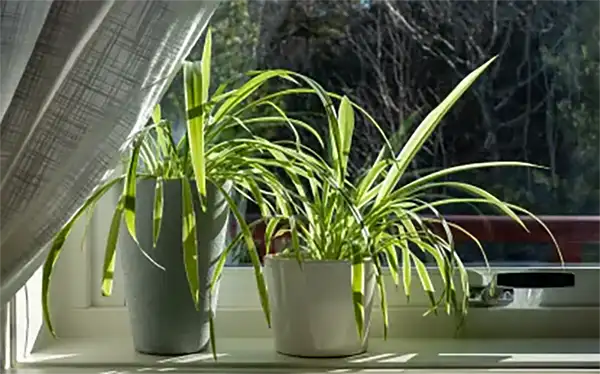
Spider plant is one of the most common houseplants, which is easy to grow and propagate, requires minimal care, and can thrive in any condition. It grows up to 12 to 15 inches tall and is thick, with rhizomes evolved to store water, which helps the plant to survive even when not watered consistently, and its roots are fleshy.
Spider plants are great for growing indoors as it requires medium to bright light. The plant tends to grow quickly and, therefore, needs to be repotted frequently.
The plant is known as the natural absorber of carbon monoxide and formaldehyde, and decomposes benzene and nicotine, making it a perfect match for your home.
For more general information, take a look at its taxonomic overview –
| Kingdom | Plantae |
| Family | Asparagaceae |
| Genus | Chlorophytum |
| Species | C. comosum |
2. Snake Plant (Dracaena trifasciata)
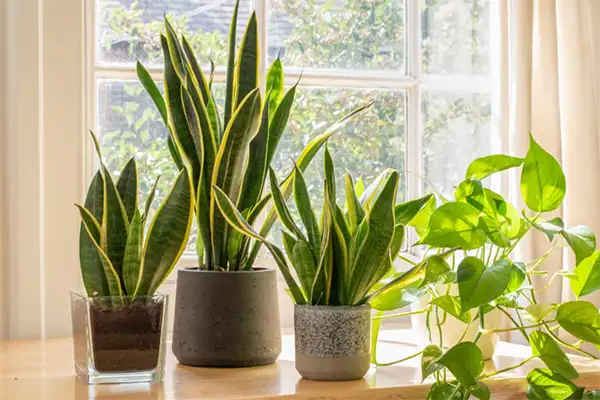
Snake plant is one of the most commonly found plants in a household. It is native to Asia and Africa and is recognised by its evergreen sword-shaped leaves, which grow upright. It can grow from 6 inches to several feet. In addition, it is often considered one of the low maintenance air purifying plants that adapts to its surroundings and can tolerate both direct and indirect sunlight, underwatering, and also doesn’t require frequent repotting.
While the plant is used as home decor, it offers us a number of benefits, including air purification by removing toxic pollutants from the air and is effective against airborne allergies.
Did you know?
Snake plants are among the few plants that convert carbon dioxide into oxygen at night.
For more general information, take a look at its taxonomic overview –
| Kingdom | Plantae |
| Family | Asparagaceae |
| Genus | Dracaena |
| Species | The plant has over 70 species. Among them, Sansevieria trifasciata is well known. |
3. Peace Lily (Spathiphyllum)
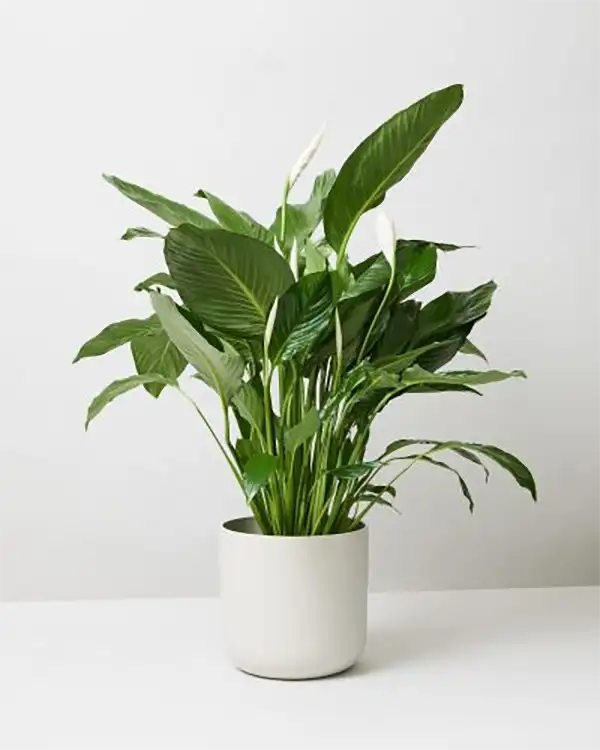
Peace Lily is a compact plant known as a closet plant, as it thrives well in low-light conditions. It is the best plants for bedroom air purification as it occupies little space. Most of the peace lily varieties grow up to 16 inches tall, and these plants require little attention. Make sure to keep the soil moist but not too wet, as it can cause root rot fungus. The plant does not require constant repotting.
Peace lily is also known for its air purification values. It removes formaldehyde, benzene, trichloroethylene, xylene, and ammonia from the air and makes your space toxin-free.
For more general information, take a look at its taxonomic overview –
| Kingdom | Plantae |
| Family | Araceae (Arum family) |
| Genus | Spathiphyllum |
| Species | Spathiphyllum wallisii |
4. Aloe Vera (Aloe barbadensis miller)
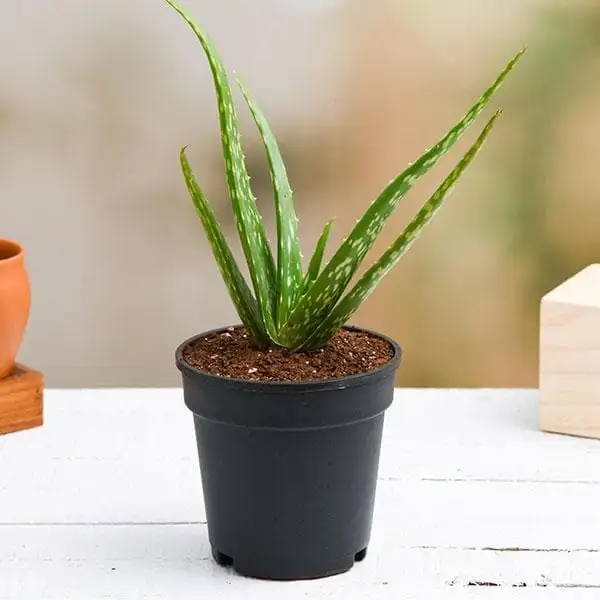
Aloe Vera is a low-maintenance plant, which makes it perfect for growing both indoors and outdoors. The foliage of the plant stores water, which helps it thrive even when it isn’t watered regularly.
Aleovera is a well-known plant for its many properties. One of them is that it acts as an air-purifying plant, removing formaldehyde and benzene from the air. It is among the best oxygen plants for home as it takes in carbon dioxide and produces oxygen even at night.
For more general information, take a look at its taxonomic overview –
| Kingdom | Plantae |
| Family | Asphodelaceae |
| Genus | Aloe L. |
| Class | Monocotyledoneae |
5. Boston Fern (Nephrolepis exaltata)
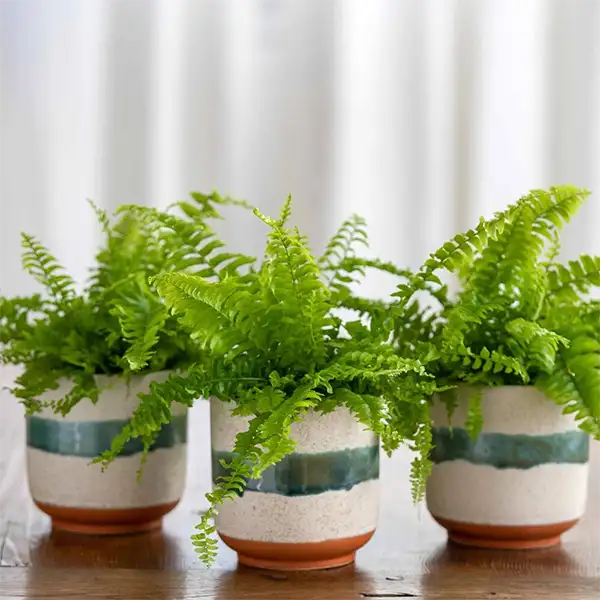
Boston fern plants are easy to grow, but they only require special care when it comes to watering them. The plant likes the soil to be moist, and therefore, you need to water the plant whenever the top layer of soil starts drying out. The plant thrives in indirect light and high humidity.
Boston Fern cleans the air by removing toxins like formaldehyde and xylene.
For more general information, take a look at its taxonomic overview –
| Kingdom | Plantae |
| Family | Nephrolepidaceae |
| Genus | Nephrolepis |
| Class | Filicopsida |
6. Rubber Plant (Ficus elastica)
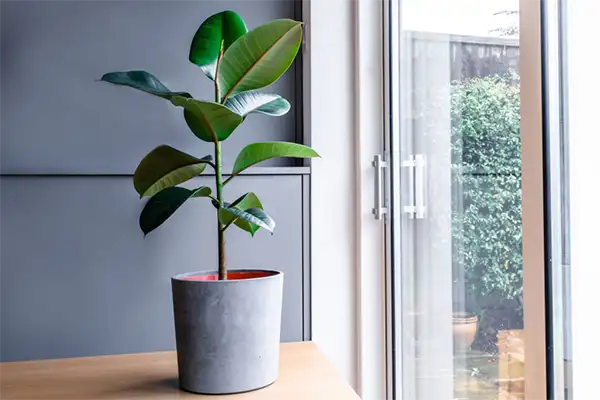
The rubber plant is a popular, low-watering plant known for its big leaves. It can grow 6 to 10 feet tall and thrives best in bright indirect light and requires moderate watering.
This plant is known for its excellent air-purifying quality, which makes it best suited for homes and offices. It removes formaldehyde toxin from the air clean, breathable, and odorless air.
For more general information, take a look at its taxonomic overview –
| Kingdom | Plantae |
| Family | Moraceae |
| Genus | Ficus |
| Species | F. elastica |
7. Golden Pothos (Epipremnum aureum)
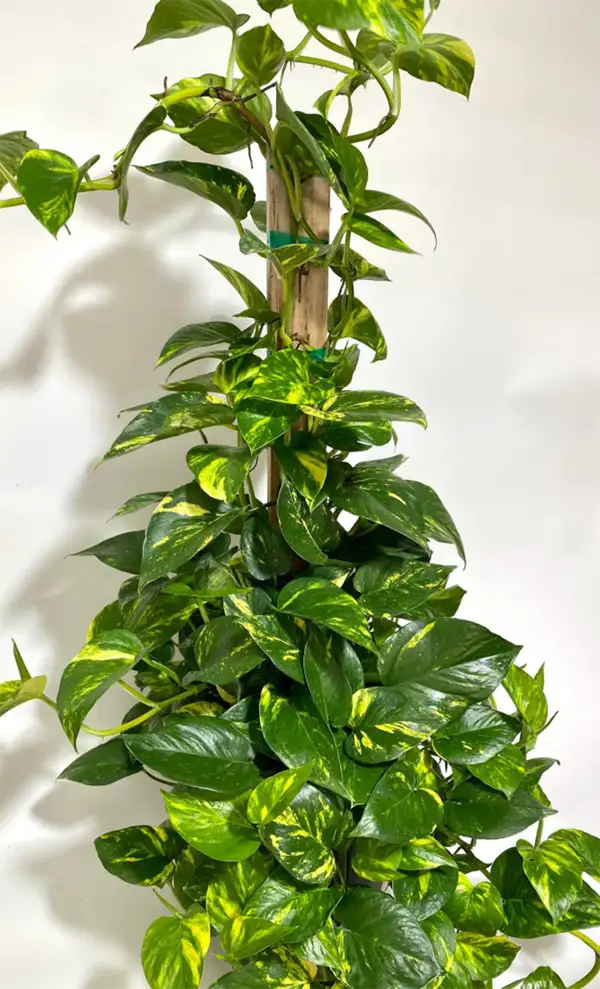
Golden pothos is one of the varieties of pothos plants. It is known for its tolerant property, as it can even survive in low light and humid conditions. The plant does not require regular watering.
It is best known for removing toxins like formaldehyde, benzene, xylene, and toluene from the air and purifying it. Since the plant offers a variety of coloured leaves, it requires sunlight accordingly. The greener shades of the plant require more sunlight in comparison to the light-coloured leaves.
For more general information, take a look at its taxonomic overview –
| Kingdom | Plantae |
| Family | Araceae |
| Genus | Epipremnum |
| Species | E. aureum |
8. Dracaena (Dracaena spp.)
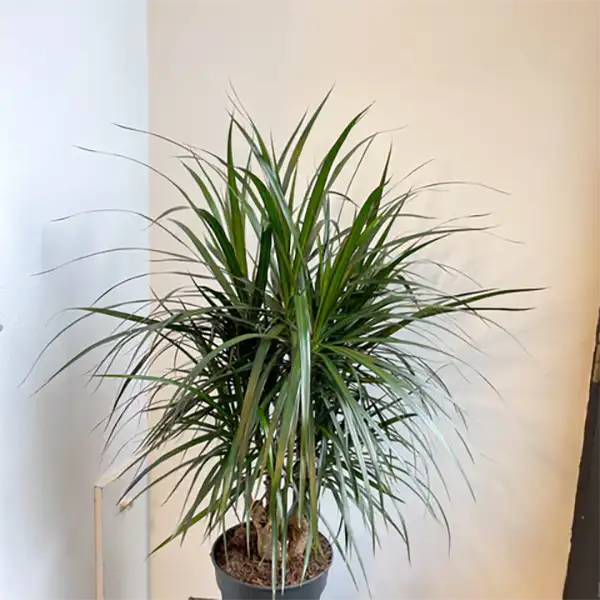
The Dracaena plant is an easy-to-grow plant and thrives in bright, indirect light. It is known for its variety of coloured leaves, which makes it perfect for indoor decor. The plant can grow up to 8 feet tall.
It requires a well-drained, slightly acidic potting mix or garden soil to grow. While the plant does not demand much care, you need to water it regularly in spring and summer and reduce watering in winter. Try to place it in a closed area during the rainy season, as too much water can spoil the roots of the plant, causing root rot fungus.
The dracaena plant is also known for removing toxins like trichloroethylene, benzene, and toluene from the air.
For more general information, take a look at its taxonomic overview –
| Kingdom | Plantae |
| Family | Asparagaceae |
| Genus | Dracaena |
| Species | The plant has over 170 species. |
9. Areca Palm (Dypsis lutescens)
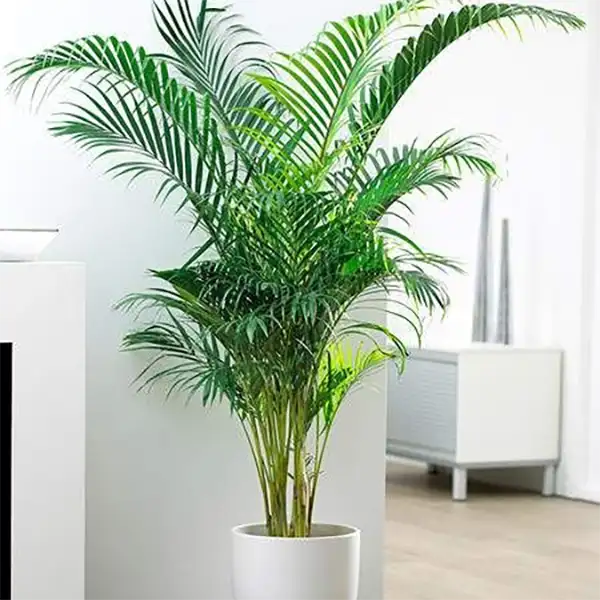
The Areca palm plant is also known as the butterfly palm or golden cane palm. It is a popular indoor and outdoor plant known for its aesthetic leaves that help in air purification. They grow around 8 feet tall. The plant prefers bright sunlight and grows well in moist soil.
The plant is known for removing toxins like xylene, toluene, and formaldehyde.
For more general information, take a look at its taxonomic overview –
| Kingdom | Plantae |
| Family | Arecaceae |
| Order | Arecales |
| Genus | Dypsis |
10. Gerbera Daisy (Gerbera jamesonii)
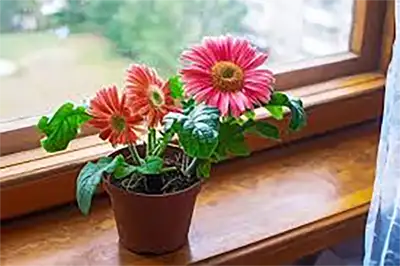
The Gerbera Daisy plant is one of the best flowering plants to grow indoors. With beautiful flowers, the plant is known for cleaning the air. They grow in bright, indirect light and require moist soil.
The plant grows up to 10 to 12 inches tall and 9 to 12 inches wide. If you properly care for the plant, it blooms its first flower in around 9 weeks. Feed them with water-soluble fertilizer in summer and spring to keep the plant healthy.
Gerbera daisies are well known for air purification by removing toxins like benzene and trichloroethylene.
For more general information, take a look at its taxonomic overview –
| Kingdom | Plantae |
| Family | Asteraceae (Compositae) |
| Genus | Gerbera L. |
| Species | Gerbera jamesonii Adlam |
11. Weeping Fig (Ficus Benjamina)
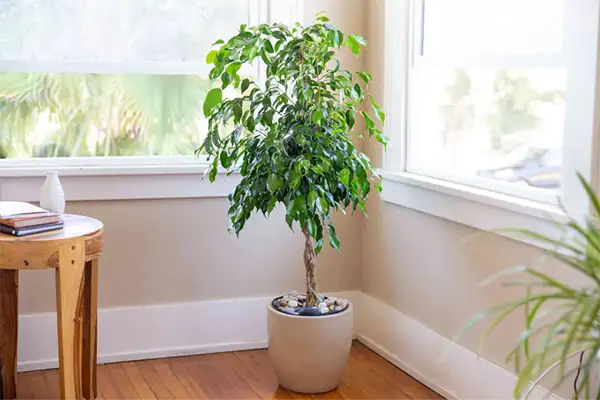
The weeping fig plant is an indoor plant, preferring bright and indirect sunlight and regular watering. The plant demands attention and care.
Weeping fig plants can be a great addition to your house, not only because the plant complements the aesthetic values, but also because the plant filters out the toxins from the air and replaces them with oxygen.
For more general information, take a look at its taxonomic overview –
| Kingdom | Plantae |
| Family | Moraceae |
| Genus | Ficus |
| Species | F. benjamina L. |
12. Chinese Evergreen (Aglaonema)
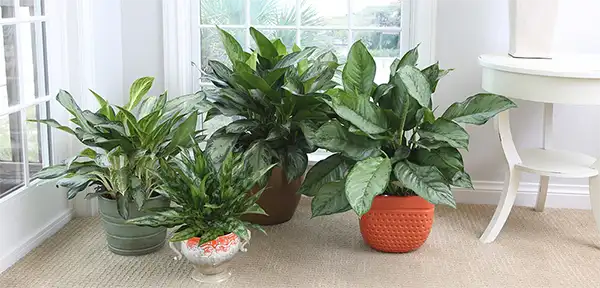
Chinese evergreen plant is a robust air purifier, which removes toxins like formaldehyde and benzene from the air. The plant is known as a tolerant plant as it can even thrive in low lighting and infrequent watering. It is preferred by people who cannot invest much time in caring for their plant or want to add something to an eye-pleasing dim corner.
For more general information, take a look at its taxonomic overview –
| Kingdom | Plantae |
| Family | Araceae (Arum family) |
| Genus | Aglaonema |
13. Bamboo Palm (Chamaedorea Seifrizii)
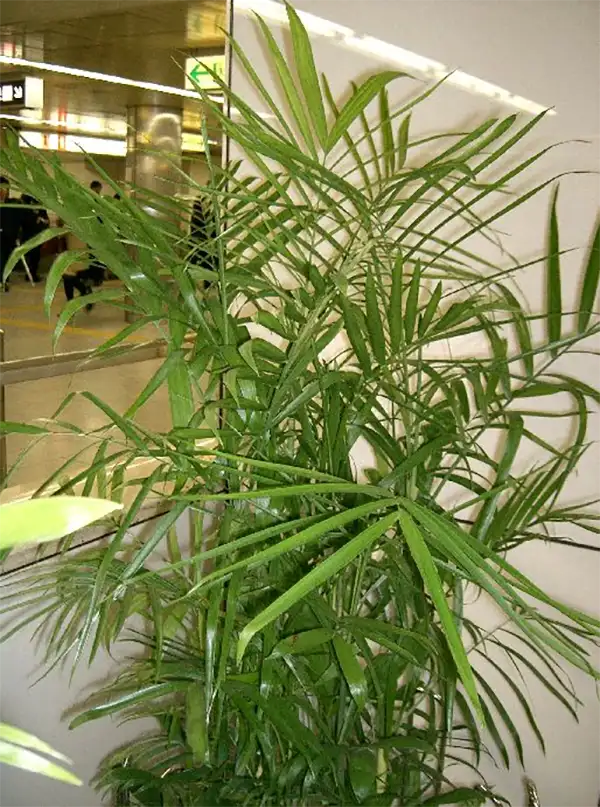
The bamboo palm plant is a tropical beauty and is known as a natural humidifier. The plant prefers indirect bright light and regular watering. They effectively remove xylene, benzene, formaldehyde, and trichloroethylene toxins from the air.
For more general information, take a look at its taxonomic overview –
| Kingdom | Plantae |
| Family | Arecaceae |
| Genus | Chlamaedorea |
| Species | Chlamaedorea seifrizii |
14. English Ivy (Hedera helix)
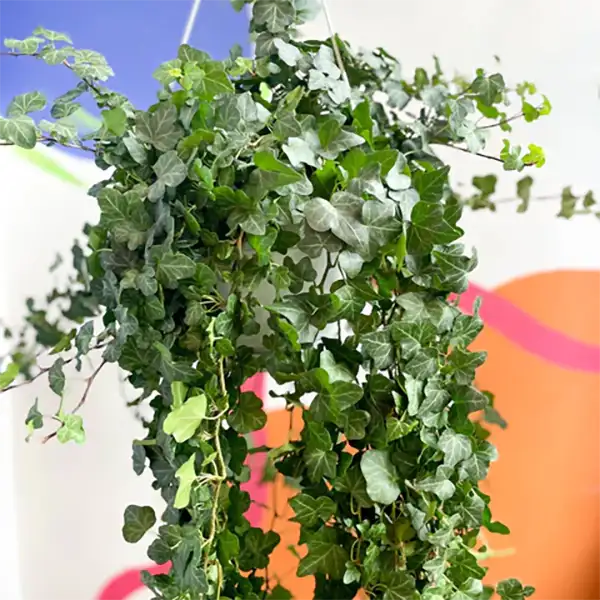
The English Ivy plant is among the indoor gardening favourites. It is a quick-growing plant with attractive evergreen leaves. The leaves can remove air toxins like toluene, xylene, benzene, and formaldehyde. The plant is known to perform best in direct sunlight, requires well-drained soil and plenty of water.
The English Ivy plants are perfect plants for bedroom air purification, as they require minimal space and can be hung on any small, bright corner of the room.
For more general information, take a look at its taxonomic overview –
| Kingdom | Plantae |
| Family | Araliaceae |
| Genus | Hedera |
| Species | Hedera helix L. |
15. Money Plant (Pilea Pepermioides)
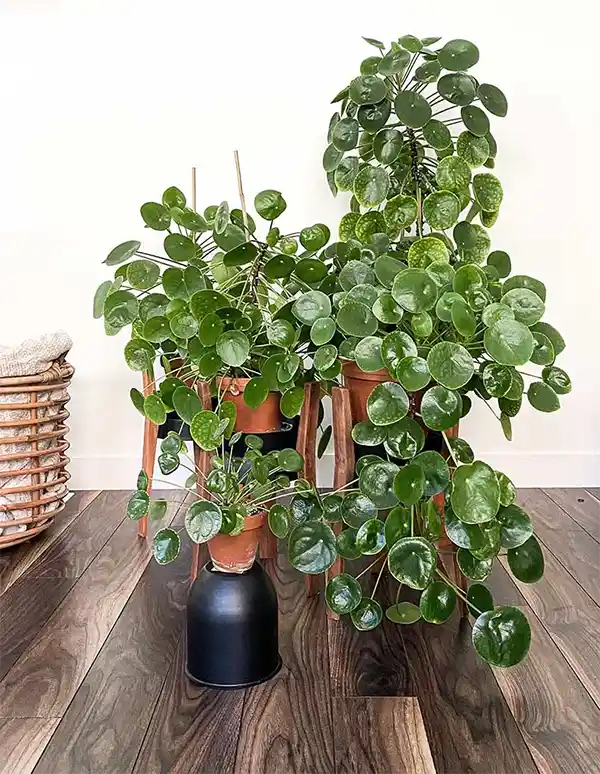
Money plant is one of the most commonly found plants in almost every household. It is very effective for air purification and removes toxins from the air.
The plant is a member of the nettle family and can grow up to 16 inches high. They love indirect light and only require water when the soil dries.
For more general information, take a look at its taxonomic overview –
| Kingdom | Plantae |
| Family | Urticaceae (Nettle family) |
| Genus | Pilea |
| Species | P. peperomioides |
Do Plants Work Better Than an Air Purifier?
In contemporary times, when the air quality has reduced to just toxins, both plants and air purifiers work in the best possible manner to keep us safe and help us breathe better air. They work differently and have advantages and limitations at the same time.
Plants are known to be natural air purifiers as they naturally filter the air and remove toxins from it. They can also be beneficial in increasing humidity in a dry environment, which is good for respiratory health.
Since they are natural air purifiers, the plants do not use electricity and are both energy-efficient and cost-effective, but they require maintenance. The only cons associated with the plants are that they might be helpful in removing some particular toxins, and they might not be very effective.
Air purifiers, on the other hand, can remove up to 99 per cent of airborne pollutants and are also helpful in removing any odour. The cons that are associated with air purifiers are that they consume electricity and might not be cost-effective. They also require regular filter replacement and cleaning.
In order to know which is better- an air purifier or plants? In my opinion, both air purifiers and plants have their roles to play. You can install air purifiers and grow indoor plants at your place to keep your space clean and aesthetically pleasing at the same time.
Takeaways
Plants in your indoor environment can significantly improve air quality and reduce the toxic pollutants from the atmosphere. Additionally, they also enhance the aesthetics of your space. Indoor plants have shown a significant effect on an individual’s creativity and productivity and have also shown reduced stress levels.
If you are someone who loves plants and wants to incorporate them in your daily routine, you can choose air-purifying plants like spider plant, snake plant, and many more for your indoor space and sense of wellness.
Do plants help in reducing air toxins?
Yes, plants can significantly reduce the toxins from the air and make your place more breathable.
What are the best indoor plants?
Snake plant, bamboo palm plant, English Ivy plant, weeping fig, and Chinese Evergreen are some of the best indoor plants.
Do plants work as effectively as an air purifier?
Indoor plants are known for removing toxins from the air, but they might be effective for certain pollutants. For best results, it is advised to incorporate both an air purifier and indoor plants.
Which air purifying plants give oxygen for 24 hours?
Aloe vera and money plants can purify the air and are also known for providing oxygen for 24 hours.
- 10 Air Purifying Indoor Plants – BBC Gardeners World Magazine
- Top 7 Indoor Low-Light Houseplants That Purify the Air – Pennsylvania Horticulture Society
- The 20 Best Air Purifying House Plants to Freshen Up Your Home – Yahoo Life