


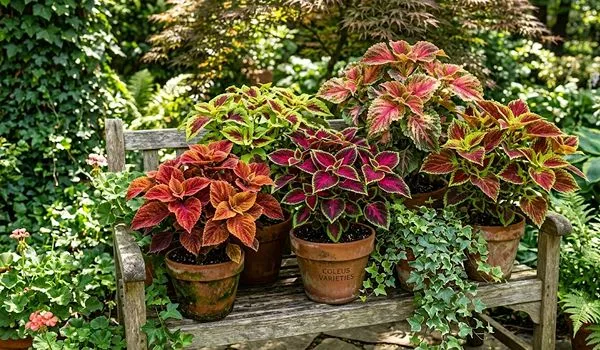
Coleus plants are a living foliage kaleidoscope, as they come in a wide range of foliage colours including red, chartreuse, burgundy, green, yellow, and purple. Often grown as annuals, these are low-maintenance and versatile plants.
If you want to add these quick growers in containers, hanging baskets, or window boxes, discover their key features, varieties, and care essentials to make your planting journey a lot easier.
Coleus Plants at a Glance: A Quick Info Box
A member of the mint family, Coleus is a tropical plant that blooms in summer and fall. Native to Asia, these plants are considered toxic to dogs, cats, and horses and are not deer-resistant.
Let’s see the basic information, including Coleus’s scientific name, native range, and hardiness zones:
| Common Name | Coleus |
| Botanical Name | Coleus scutellarioides |
| Family | Lamiaceae |
| Plant Type | Herbaceous perennial |
| Mature Size | 6-36 inches tall and wide |
| Bloom Time | Summer and fall |
| Hardiness Zones | USDA 10-11 |
| Native Area | Tropical and subtropical regions spanning from Southeast Asia and Indo-China through to northern Australia |
| Toxicity | As per ASPCA, these plants are toxic to cats, dogs, and horses |
| Deer Resistance | According to the Rudgers Landscape Plants Rated by Deer Resistance list, these plants are occasionally severely damaged by deer. |
Did you know?
As per the GPN Greenhouse Product News, Coleus was named the 2025-26 flower of the year in Japan.
Coleus Plant Key Features
Coleus is famous for an array of colours and patterns of its foliage. Growing upright, it can thrive in partial shade and full sun, depending on the variety.
Here are some key features, including the flowering coleus plant and its growth habit:
- Brilliant Foliage: The main attraction of coleus coleus is its leaf patterns, which have shades of pink, red, yellow, green, maroon, and purple.
- Growth Habit: It has an upright and trailing growth habit and grows about 1-3 feet tall and wide.
- Insignificant Flowers: Colious produces small tubular blue, white, or pale violet flowers that many gardeners pinch off to focus on the growth of leaves.
- Sun and Shade: It is considered a shade plant, but many modern cultivars can tolerate full sun if provided with enough moisture.
Did you know?
In 2020, Coleus main street beale street was awarded an All-America Selections (AAS) National Award.
Steps to Planting Coleus
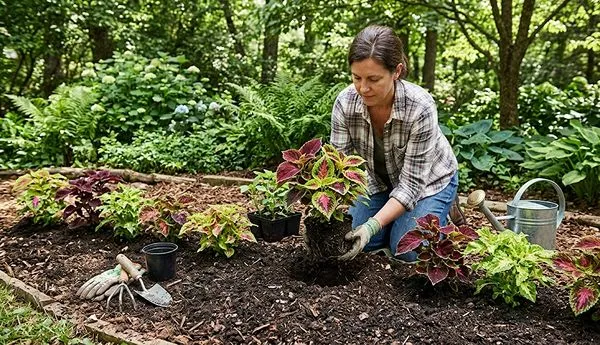
You may plant the Coleus Solenostemon scutellarioides nursery pots outdoors in late spring. At this time, all the dangers of frost have passed, and temperatures remain consistent. You can plant them easily by choosing a location with partial shade, digging a hole, placing the plant into it, and watering it well.
Let’s see the steps to follow for planting it:
- Step 1: Choose a location with partial shade (full sun for the sun-tolerant varieties) and well-draining soil. Add compost or well-rotted manure to enhance its fertility.
- Step 2: Dig a hole that is slightly larger than the root ball. Gently remove the plant from the nursery pot and place the plant into the hole.
- Step 3: Fill the space with the soil and gently tap to eliminate the air pockets.
- Step 4: Space the plants about 12-18 inches apart to maintain good air circulation. Water well until the plants are established.
How to Care for a Coleus Plant?
For growing coleus, use rich, loose garden soil or a quality container mix. These plants prefer different sun exposure based on the varieties. Keep the soil well moist but not waterlogged. Also, feed and prune the plant to support its growth.
Here are the detailed care measures for the coleus plant:
Sunlight
Most of the cultivars are suited for shady spots and grow well with morning sun and afternoon shade. But the newer cultivars, like the Wizard series, are found to be more tolerant of sun.
Plant Coleus can also be used as indoor plants that improve home decor, provided they get sufficient light in summer. In winter, you may need a grow light to prevent it from becoming leggy.
Soil and Fertilizer
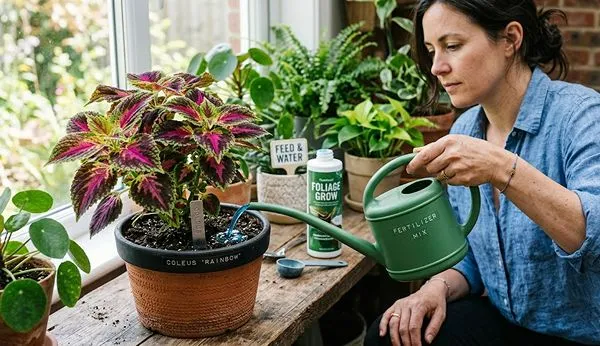
Coleuses prefer rich soil with good drainage and a pH level of 6.0 to 7.0. In case of potted plants, use a good potting mix. Avoid using clay or poorly drained soil that can lead to root rot.
If you use rich soil, fertilizers are usually not needed. It’s best to add an all-purpose one at the time of planting only. In container plants, feed them monthly with the water-soluble fertilizer.
Water
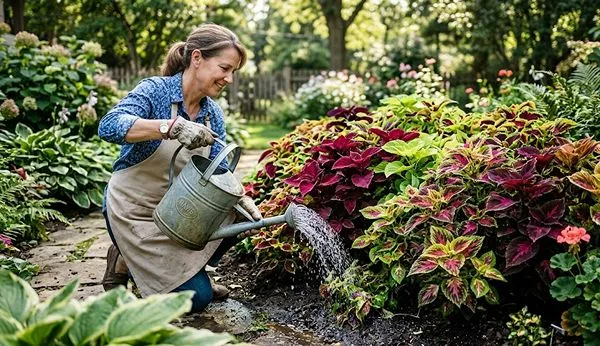
The soil in Coleus plectranthus scutellarioides should be consistently moist but not soggy. Water when the top 1-2 inches of the soil feels dry. Containers need more water during dry spells and prolonged heat. However, avoid overwatering, which can lead to root rot.
Temperature and Humidity
Coleus solenostemon grows best in a warm and humid environment. Wait till the temperatures reach 21°C before moving the pots outside in the spring. In the summer and fall, it’s suggested to move the potted plants indoors or use an insulating cover when the temperatures go below 10°C.
If the air in your area is dry, use a humidifier to keep it at about 50%. Also, keep the plants away from the air conditioner vents and drafts.
Pruning
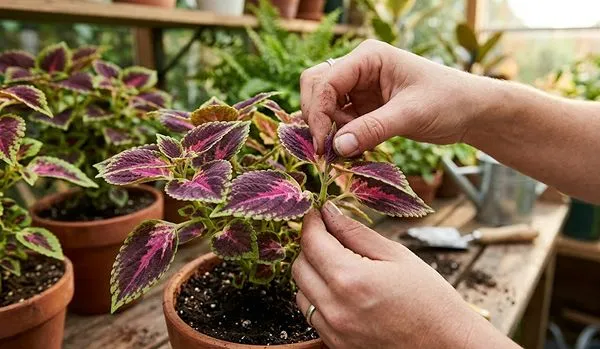
To promote branching and a full, bushy growth, pinch the stem tips on the younger plants. Also, cut off the flower spikes once a month to put energy back into the foliage.
Propagation of Coleus Plant
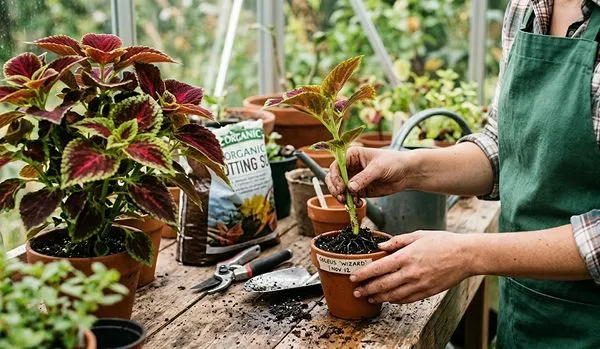
You can propagate the Coleus blumei plant easily using the stem-cutting method. For this, take a healthy cutting from the plant and insert it into a pot filled with moistened potting mix. Transplant it into a larger container as it gets well established.
Here are the detailed steps that you have to follow:
- Step 1: Using sharp, sterilised scissors, take stem cuttings about 4-6 inches long from a healthy plant. Ensure that you make the cut just below the leaf node.
- Step 2: Cut the leaves from the bottom part of the cutting, leaving just 1-2 at the top. Cut the large leaves in half to encourage faster rooting.
- Step 3: Though planta coleus cuttings grow quite easily, you may dip the cut end in rooting hormone to support faster root development. After that, insert the cutting in the pot filled with the moistened, well-draining potting mix.
- Step 4: To maintain the optimal humidity levels, cover the pot with a clear plastic bag, ensuring that the bag does not touch the plant.
- Step 5: Keep the pot in a bright, warm location with an ideal temperature of 21°C. Water the plant regularly but avoid keeping it soggy.
- Step 6: In about 2-3 weeks, the plant will develop a root system. When it is well established, you can transplant it into the larger pot or directly to the garden.
Different Coleus Plant Varieties
The coleus plant comes in a wide array of varieties based on the patterns, shapes, and colours. While it is difficult to list every variety, let’s see some main groups and their popular varieties for your landscape:
| Groups | Varieties |
Large-Leaved Varieties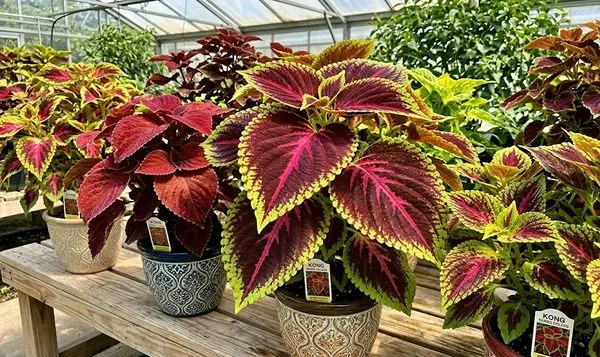 |
|
Small-Leaved Varieties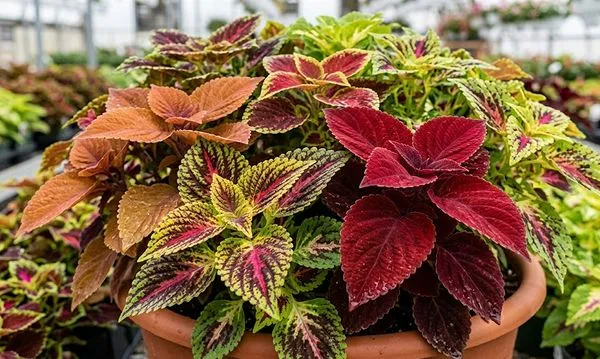 |
|
Sun Tolerant Varieties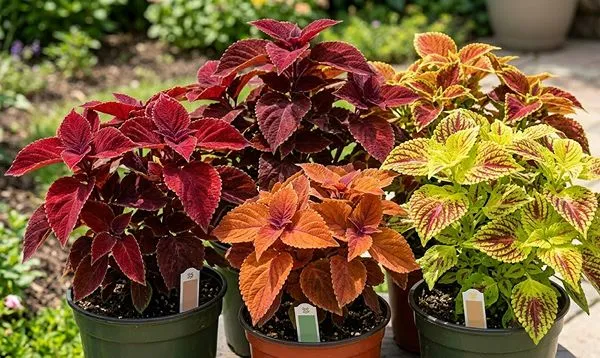 |
|
Trailing or Cascading Varieties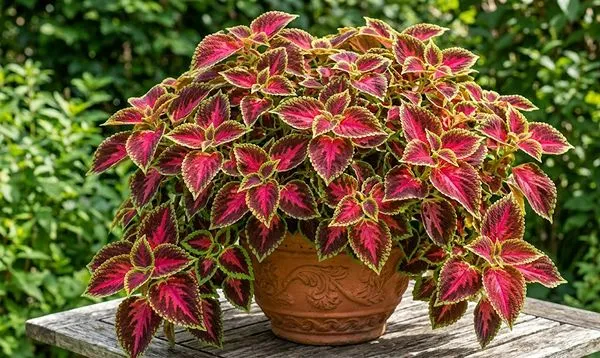 |
|
Upright Varieties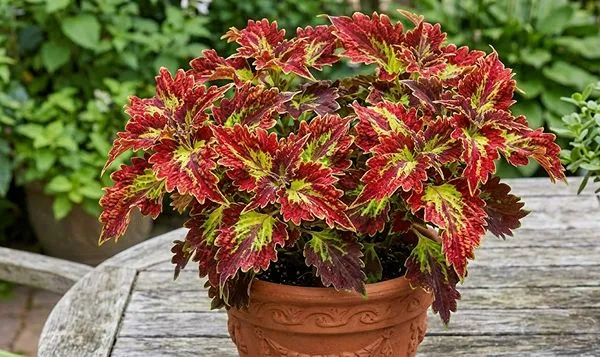 |
|
Landscaping Ideas with Coleus Plants
Landscaping with coleus is a great way to enhance the visual interest of your garden or indoor gardening with different colours and patterns.
Here are some ideas to incorporate these plants in your garden:
- Mixed borders: Plant these tropical beauties alongside the flowering plants and shrubs in the mixed borders. Here, these plants fill the gaps and help create vibrant visuals.
- Container gardens: Add a pop of colour on the patio, deck, and balconies with these versatile plants. They thrive well in containers and can be paired with other plants like impatiens, begonia, lobelia, and ferns.
- Mass plantings: If you like the bold, dramatic effect, plant large groups of coleus together in single varieties or distinct varieties for multi-colour visuals.
- Shade gardens: Some of the older varieties are well suited for the shaded areas of the garden. These plants add colour in the dull spaces and can be planted along with other shade-loving plants like heuchera, hosta plants, and ferns.
- Focal points: Some colitis plant varieties can grow quite large. Plant them in a prominent location in your garden as the single specimen as an eye-catching statement.
- Edging: Plant the low-growing types along walkways or garden borders to create a well-defined edge.
Pro Tip
While choosing the companion plants for coleus, ensure that those plants have similar light, water, and soil requirements.
Pests and Diseases in Coleus
Coleus plants can be affected by many pests and diseases. Under improper growing conditions, they may be affected by pests like aphids, spider mites, whiteflies, and mealybugs. They are also susceptible to diseases like root rot and powdery mildew.
Let’s see the signs of these pests and diseases and ways to manage them:
Pests that Affect Coleus
| Pests | Signs and Solutions |
Aphids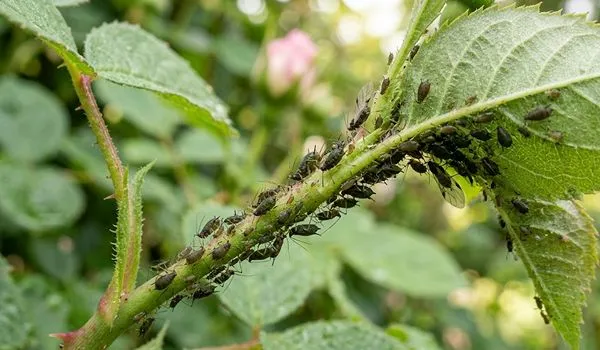 |
|
Spider Mites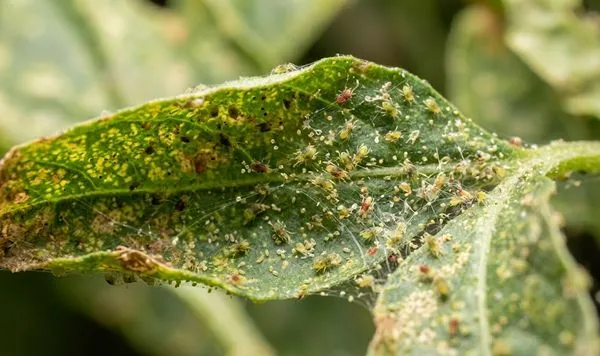 |
|
Whiteflies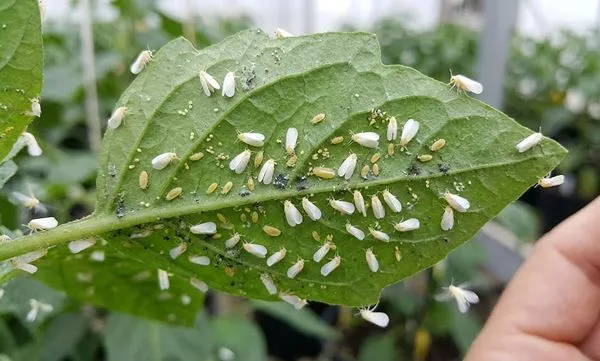 |
|
Mealybugs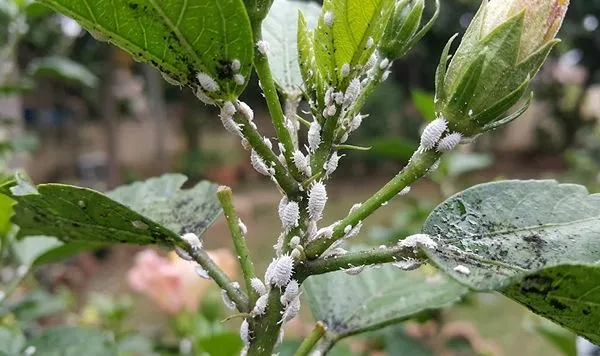 |
|
Slugs and Snails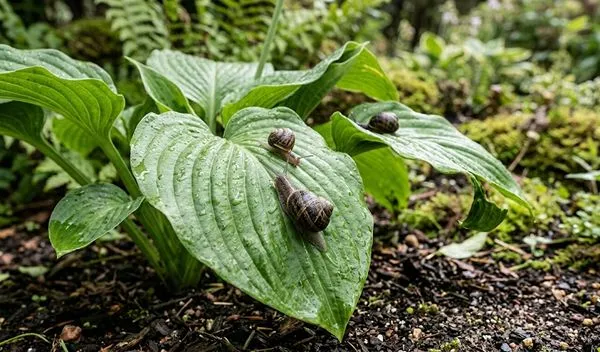 |
|
Diseases in Coleus
| Diseases | Signs and Solutions |
| Powdery Mildew | Signs: It is a fungal disease that causes a white, powdery substance on leaves, leading to distorted growth and leaf damage. Solutions: Avoid overhead watering, improve air circulation, and remove the affected leaves. Use fungicides in case of existing infestations. |
| Root Rot | Signs: Poorly drained soil or overwatering can lead to root rot. This causes yellow leaves, wilting, and eventually plant death. Solutions: Water only when the top inch of the soil is dry and ensure well-draining soil. |
| Downy Mildew | Signs: This disease causes yellow leaves with greyish purple spores on the undersides. Solutions: Ensure good air circulation and avoid overhead watering. Use fungicides to control severe infestations. |
Pro Tip
Regularly inspect the plant for pest and disease infestations. Maintain good cultural practices, including proper watering, sanitation, and spacing to prevent these issues in the long run.
Final Thoughts
Coleus are no longer simple shade-loving plants! Due to the availability of sun-tolerant varieties, they are now a loved choice for outdoor planting. By regularly caring for coleus plants, you can see them thriving indoors and outdoors alike. Plant these tropical beauties in spring for season-long interest until they die back naturally in the first frost.
Is coleus a perennial plant?
Coleus is a tender perennial that is mostly grown as an annual. Since these plants are sensitive to cooler temperatures, they only grow back in the next season in warm regions.
How to take care of Coleus plant?
Caring for coleus involves placing it in shade or full sun based on its variety. Keep the soil consistently moist but not waterlogged. If the soil is well amended, these plants do not need fertilisers.
When to plant coleus?
Plant it outdoors in late spring when the danger of frost has passed, and temperatures are consistent.
Do deer eat coleus?
Some gardeners consider these plants deer-resistant, while others report deer browsing around them severely.
How long do coleus plants live?
These plants last from planting until the first frost.
- How to grow coleus – BBC Gardeners’ World Magazine
- Coleus, Pretty, and Pretty Easy to Grow. – University of California Agriculture and Natural Resources
- Coleus – University of Minnesota Extension
- Lantana, coleus and impatiens pot display – BBC Gardeners’ World Magazine