

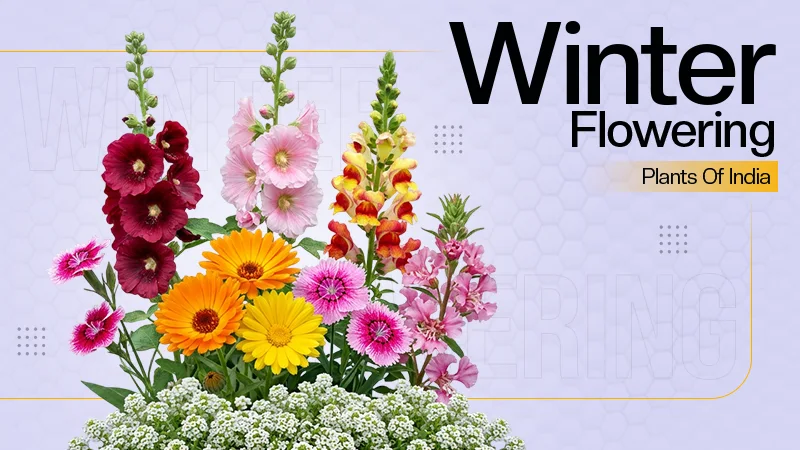
To make the garden look colorful and alive during winter, you can add some winter flowering plants to your garden. There are multiple flowers, including alyssum, aster, antirrhinum, clarkia, calendula, dianthus, hollyhock, petunia, larkspur, pansy, sweetpea, verbena, statice, phlox, and salvia, that bloom in the winter season. They have different shapes, textures, and colors that make your garden look amazing and filled with a variety of flowers.
I have been a lover of winter flowering plants, and in this guide I’ll tell you about 15 winter flowers that I have planted to help you on the journey, alongside the tips for growing and caring for the plants.
Quick Answers:
Winter flowering plants like alyssum, antirrhinum, aster, calendula, clarkia, dianthus, hollyhock, larkspur, pansy, petunia, phlox, salvia, sweet pea, verbena, and statice add bright and vibrant color to the garden and your life in the dull winter season.
What Do Winter Flowering Plants Mean?
All the plants that bloom in the winter season are covered under winter flowering plants; these are mainly those plants that peak in mid december till march. They will help you change your garden from a dormant landscape to a place full of colors.
Winter-season plants are not just evergreen plants; there are various annual plants that also bloom in the winter. You can plant them together so you will get different colors and textures in your garden.
Top 15 Winter Flowering Plants
Alyssum, antirrhinum, aster, calendula, clarkia, dianthus, hollyhock, larkspur, pansy, petunia, phlox, salvia, sweet pea, statice, and verbena are the top 15 winter-flowering plants. They mainly start blooming from mid-December to March; all these flowers have different textures and will add a unique color to your garden.
Let’s learn more about these winter flowers: images with names and details.
1. Alyssum
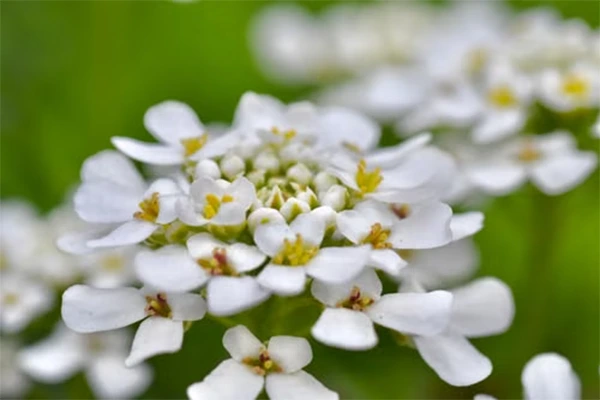
| Flower | Sweet Alyssum |
| Genus | Lobularia |
| Native Range | Mediterranean, the Canary Islands, and the Azores. |
| Colors | White, pink, rose, lavender, purple, apricot |
| Appearance | Low, mat-forming plant with small, fragrant flowers |
| Plant Height | 3-9 inches tall |
| Flower Bloom Size | Up to 1 inch |
Alyssum flowers are a dense cluster of 4-petaled flowers; these are fragrant flowers and bloom annually. This plant is mainly found in USDA hardiness zones 5 to 9. These are winter-season flowers that are easy to grow and can be the best option for a garden filler plant.
2. Antirrhinum
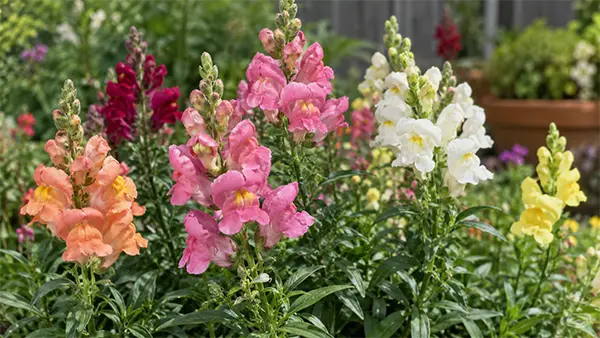
| Flower | Antirrhinum (Snapdragon) |
| Genus | Antirrhinum |
| Native Range | Mediterranean region |
| Colors | Yellow, orange, pink, red, purple, white |
| Appearance | Upright, clump-forming plant with tall flower spikes covered in distinctive two-lipped, snap-like flowers |
| Plant Height | 6 in–4 ft, depending on variety |
| Flower Bloom Size | 1 to 3 inches |
Antirrhinum plants have a short life, but the flowers’ vase life is 10 to 21 days, which is longer than usual flowers. They bloom annually, and the plant grows in USDA zones 7 to 10. These are edible, but due to the bitter taste, people use them for garnishing.
3. Aster
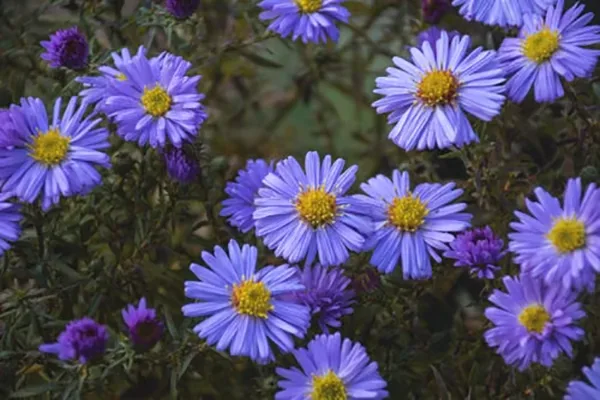
| Flower | Aster |
| Genus | Aster |
| Native Range | Europe and Asia |
| Colors | Various colors |
| Appearance | Upright to mounding plant with daisy-like flower heads made up of ray and disc florets |
| Plant Height | 6 in–8 ft |
| Flower Bloom Size | 1 to 3 inches |
Aster flowers have a daisy-like head and have a radial shape. These are easy to grow and maintain, and the growth rate is medium. The plant grows in USDA zones 4 to 8. It attracts pollinators like butterflies, hummingbirds, small mammals, songbirds, and bees.
4. Calendula
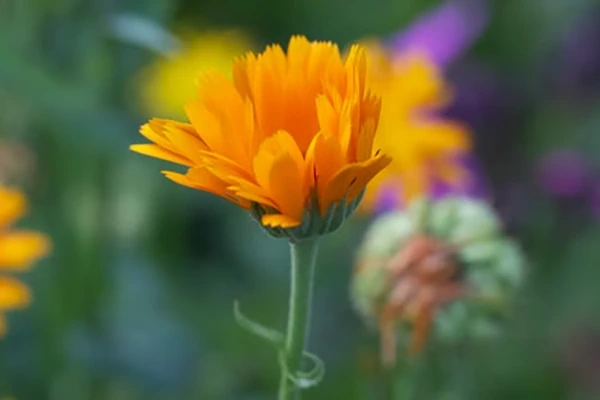
| Flower | Calendula |
| Genus | Calendula |
| Native Range | Southern Europe and the Eastern Mediterranean area. |
| Colors | Yellow and orange colors mostly, but white and multicolored flowers have been developed. |
| Appearance | Marigold-like head with long petals |
| Plant Height | 2 feet long |
| Flower Bloom Size | 3 to 6 inches |
Calendulas are also known as pot marigolds. Its leaves and petals are edible, but they leave a bitter taste, so people typically add them to a salad. These are used as medicine in old times and now for dying, food, and making cosmetics. They grow in USDA zones 2 to 11. This is the most used winter-flowering plants in India.
5. Clarkia
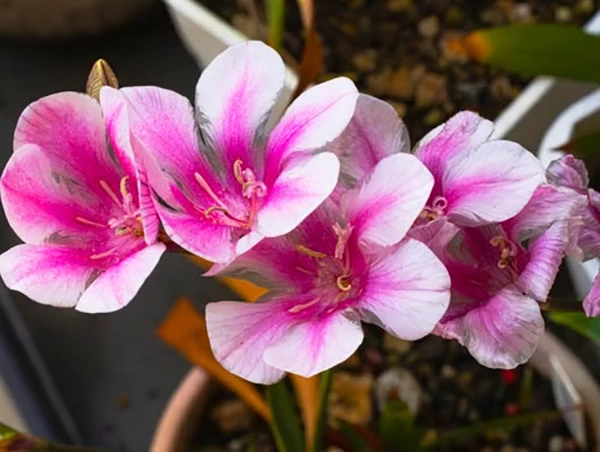
| Flower | Clarkia |
| Genus | Clarkia |
| Native Range | Western North America and Southern South America |
| Colors | Gold/yellow, pink, purple/lavender, white, red, spotted/streaked |
| Appearance | Upright or prostrate annual with hollyhock-like flowers arranged in spires |
| Plant Height | 2–3 ft |
| Flower Bloom Size | 1 to 3 inches in tubular shape |
Clarkia is an annual wildflower plant that prefers cool temperatures. This flower is also known as farewell to spring. They just need sunlight and well-drained soil while growing. This flower looks like a hollyhock and is pollinator-friendly. They are low-maintenance plants that grow rapidly.
6. Dianthus
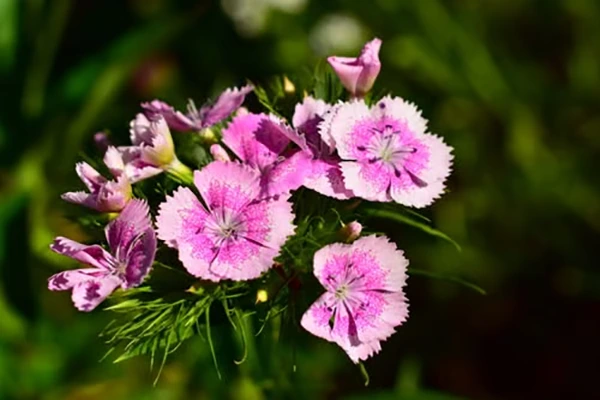
| Flower | Dianthus |
| Genus | Dianthus |
| Native Range | Eurasia and Southern Africa |
| Colors | Pink, purple/lavender, red/burgundy, white, variegated |
| Appearance | Fragrant flowers with five flattened petals, often fringed or frilly |
| Plant Height | 4 in–3 ft |
| Flower Bloom Size | 1–3 inches |
Dianthus is a 5-petal flattened flower, and it looks like a wheel shape. These are edible and used for cake decoration after crystallizing with sugar if they are grown organically. In sensitive individuals, it can cause disturbance in the gastrointestinal tract and mild dermatitis. The flowers usually grow in USDA zones 4 to 9.
7. Hollyhock
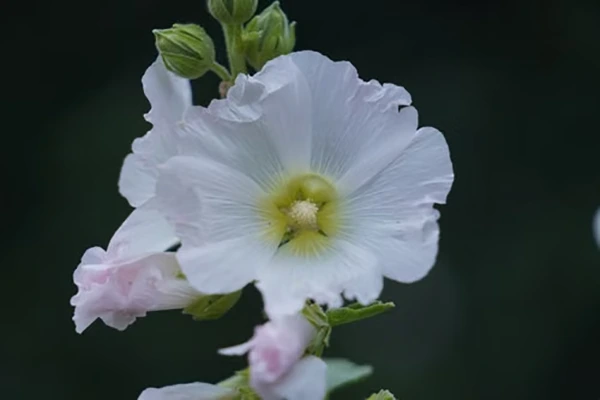
| Flower | Hollyhock |
| Genus | Alcea |
| Native Range | Turkey and Western Asia |
| Colors | Yellow, orange, pink, purple/lavender, red/burgundy, white |
| Appearance | Tall, erect plant with large cup- or funnel-shaped flowers on rigid spikes |
| Plant Height | 5–8 ft |
| Flower Bloom Size | 3–6 inches |
Hollyhock flowers are cup- or funnel-shaped flowers that have 4 to 5 petals. They grow in USDA zones 5 to 9. It is pollinator-friendly and a preferred option as an ornament. This is edible and can be used as a garnish or a dip.
8. Larkspur
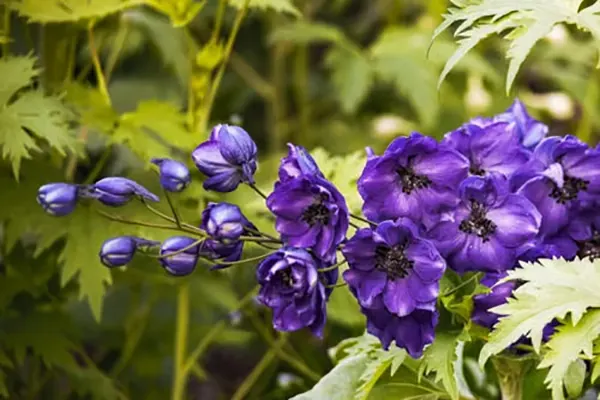
| Flower | Delphinium |
| Genus | Delphinium and Consolida |
| Native Range | North America, Europe, Africa, and Asia |
| Colors | Blue, pink, lavender, white |
| Appearance | Tall flowering plant with elongated terminal clusters and flowers featuring a distinctive spur |
| Plant Height | 1–3 ft |
| Flower Bloom Size | Up to 1 inch |
Larkspur is an elongated, clustered 4- to 5-petal flower. These are pollinator friendly that is used for shows. This is a poisonous flower, toxic to pets and humans. They grow in USDA zones 3 to 9, and they need maintenance from time to time.
9. Pansy
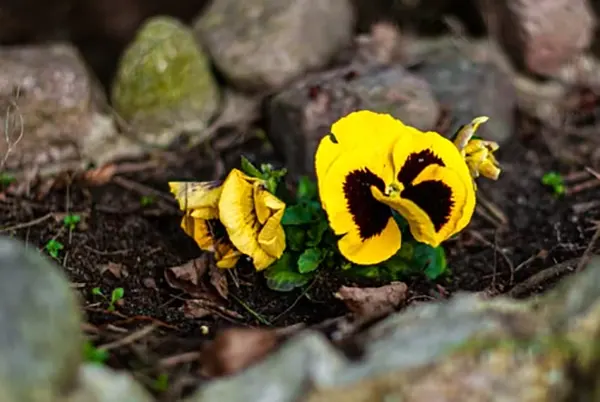
| Flower | Pansy |
| Genus | Viola |
| Native Range | Europe and Asia |
| Colors | Blue, yellow, purple/lavender, red/burgundy, white |
| Appearance | Low-growing, rounded plant with five overlapping petals and central eyespot or face markings |
| Plant Height | 4–9 in |
| Flower Bloom Size | 1–3 inches |
Pansies are cheerful flowers with 3 petals facing upwards. These are edible flowers and are mainly used for coloring salads, drinks, and cakes. This is an annual plant that is found in USDA zones 3 to 8. They need proper pruning and watering.
10. Petunia
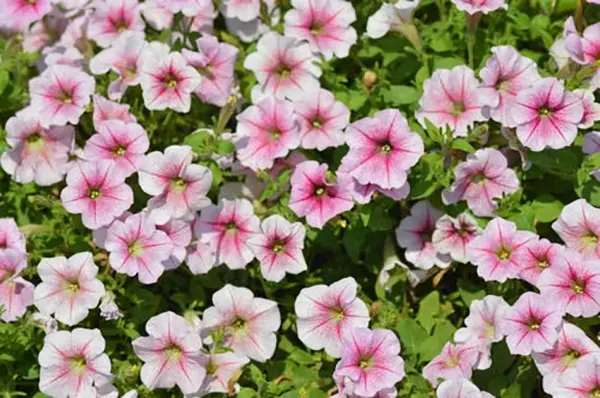
| Flower | Petunia |
| Genus | Petunia |
| Native Range | Subtropical regions of South America |
| Colors | Various colors, including variegated forms |
| Appearance | Bushy or spreading plant with funnel-shaped flowers |
| Plant Height | 6 inches to 1 foot. |
| Flower Bloom Size | Up to 4 inches |
Petunias are annual plants; these are funnel-shaped, fragrant ornamental plants. The size of the plant varies; it can be very small or large. They need a little care from time to time but grow very fast. The plants grow in 10-11 USDA zones. They are pollinator-friendly and attract hummingbirds and butterflies mainly. It is a famous winter flower in India.
11. Phlox
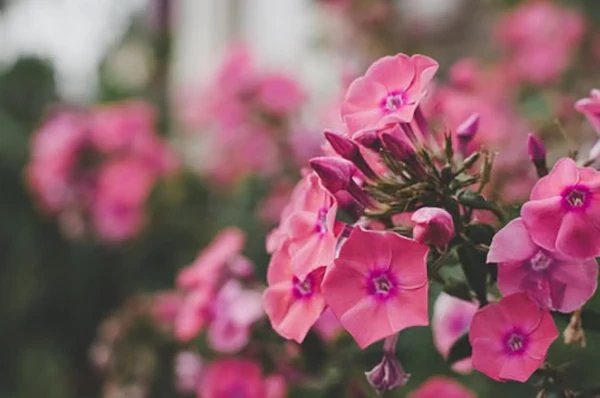
| Flower | Phlox |
| Genus | Phlox |
| Native Range | North America |
| Colors | Red, lavender, white, pink, and other colors |
| Appearance | Upright or spreading plant producing abundant, lightly fragrant flowers |
| Plant Height | 3 in–5 ft |
| Flower Bloom Size | Under 1 inch |
Phlox has tubular or dome-shaped flowers with 4 to 5 petals; these are eye-catching flowers. The plant needs medium care, and the growth rate is also medium. It is found in USDA zones 3 to 9. The flowers are pollinator-friendly.
12. Salvia
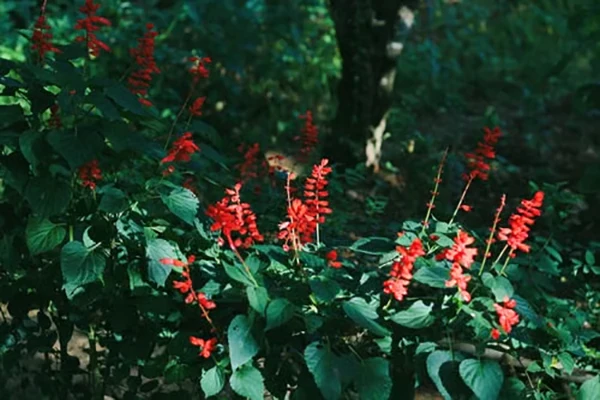
| Flower | Salvia |
| Genus | Salvia |
| Native Range | Distributes worldwide |
| Colors | Blue, Gold/Yellow, Pink, Purple/Lavender, Red/Burgundy, White |
| Appearance | Two-lobed or two-lipped flower |
| Plant Height | 1 to 3 feet |
| Flower Bloom Size | Up to 1 inch |
Salvia is a lipped or tubular-shaped plant with 4 to 5 petals. These are edible flowers that are fragrant. They attract bees, butterflies, songbirds, and other pollinators. It is found in USDA zones 5 to 10. They are low-maintenance flowers, but the growth speed is medium.
13. Sweet pea
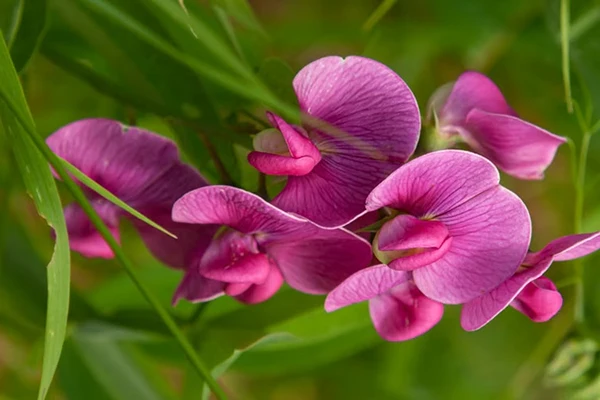
| Flower | Sweet Pea |
| Genus | Lathyrus |
| Native Range | Southern Italy, Sicily and Crete |
| Colors | Gold/yellow, orange, pink, red/burgundy, white |
| Appearance | Fragrant, bushy or climbing annual with winged stems, tendrils and pea-like flowers in elongated clusters |
| Plant Height | 3–8 ft |
| Flower Bloom Size | 1–3 inches |
Sweet pea is an irregular or lipped-shaped plant with fused petals. It is found in USDA zones 2 to 11. This is an annual blooming flower; it grows quickly, but you have to provide moderate care. This is mildly poisonous in nature.
14. Verbena
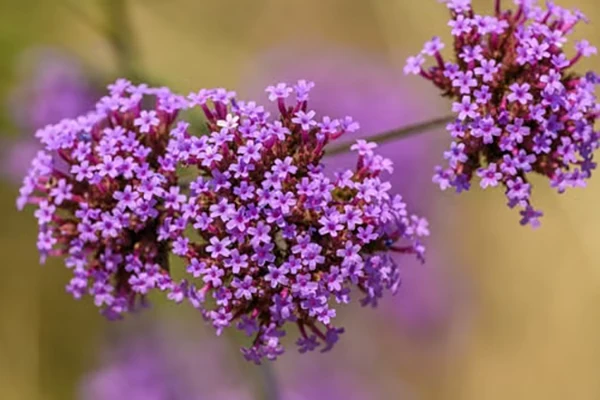
| Flower | Tall Verbena |
| Genus | Verbena |
| Native Range | South America |
| Colors | Purple/lavender |
| Appearance | Tall, upright plant with wispy stems, basal lance-shaped leaves, and rounded clusters of tiny tubular purple flowers |
| Plant Height | 2–5 ft |
| Flower Bloom Size | Less than 1 inch individually; clusters about 1–3 inch |
The verbena flower is an annual bloomer; it is star-shaped and has 4 to 5 petals. They need medium care but are rapid-growing plants. It attracts pollinators and hummingbirds. It is found in clusters and climbs upward. It will look good in a garden basket, border, and mass planting.
15. Statice
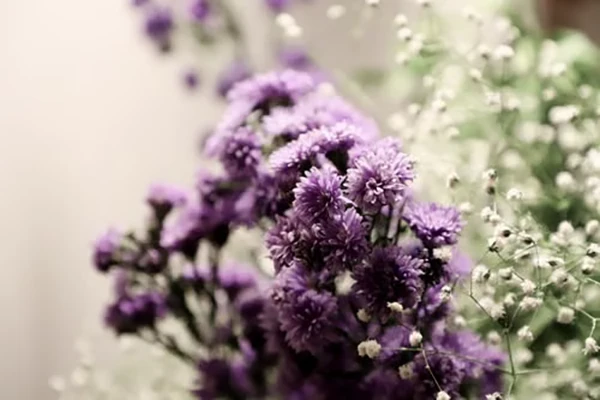
| Flower | Statice |
| Genus | Limonium |
| Native Range | North America, Asia, Europe, Africa, and Australia |
| Colors | Blue, gold/yellow, pink, purple/lavender, red/burgundy, white |
| Appearance | Herbaceous annual or perennial with dense basal rosettes and showy panicles or corymbs of small, long-lasting flowers |
| Plant Height | 4 in–2 ft |
| Flower Bloom Size | Less than 1 inch |
Statice are long-lasting annual flowers that grow in USDA zones 8 to 10. These are funnel-shaped cluster flowers with multiple petals. It is pollinator-friendly. They are easy-to-grow plants, and they grow rapidly. The vase life of this flower is medium, and it can be used fresh or dried.
How To Grow And Care For Winter Flowering Plants?
While growing plants, you should choose acidic soil, provide water and sunlight timely, and check for diseases; after the plant has rooted properly, time to time pruning and checking the growth is important. Winter plants usually rely on winter pollinators or self-pollination.
Let’s talk about the tips for growing and caring for winter-season flowers in India and other places.
Selecting Soil: Winter plants need acidic soil. It should be loamy and sandy so it does not retain water for a longer period of time or become muddy. Check the plant’s soil requirements, and planting in that soil will be helpful for proper growth.
Water and Sunlight: Water and sunlight requirements vary from plant to plant, but watering too much can cause rot in the roots and the plant. The best way is to water when the soil is becoming dry, and with that too, don’t water more than 1 inch.
Check for Disease: Plants are very weak at the time of growth, and small diseases can dry the plant or transfer to nearby plants. It is important to keep checking the plant stems and leaves to ensure that there are no fungus or insects. If there is any irregular fungal or bacterial growth, use antibacterial or antifungal enzymes.
Pruning: After growth, pruning is also an important step. Remove the dead leaves and foliage, and cut the stems that are growing in the wrong direction or if they are disturbing others. Please use sharp pruners and cutters, and clean them before cutting. A rusted cutter or pruner can cause infection.
Growth Rate: The growth rate can slow down if the soil doesn’t have proper nutrients, if you are not giving proper sunlight and water, or if the plant has caught any infection. Firstly, check the growth rate of the plant. If the growth is slow, then check for the issue. If you are providing proper sunlight and water and there are no infections, then the soil may need nutrients; add fertilizer for that.
Conclusion
At the end, if you want to make the garden more colorful this winter season, then you can add these winter flowers. I have mentioned the details with names. Alyssum, antirrhinum, aster, calendula, clarkia, dianthus, and hollyhock. Larkspur, pansy, petunia, phlox, salvia, sweet pea, verbena, and statice are flowers that grow in winter.
For winter plants, water and sunlight are important; make sure you are taking care of the plant and checking the requirements of the plant in detail before planting the plant.
What is the best flower to grow in winter?
Grow winter flowering plants like alyssum, aster, calendula, clarkia, antirrhinum, dianthus, hollyhock, larkspur, pansy, petunia, phlox, salvia, sweet pea, verbena, and statice.
Which plant gives 12 months of flowers?
There are multiple plants that are evergreen means bloom all the time. African violet, lantana, tropical hibiscus, bougainvillea, and Anthurium are evergreen plants that have different structures and colors and can add beauty to your garden.
What plants can I put in my pots for winter?
To make your garden vibrant in the winter season, you can add evergreen shrubs, cool-season annuals, and winter-blooming perennials. You can choose plants like cyclamen, herbous and small conifers.
Which flowers bloom all year in India?
Periwinkle, hibiscus, jasmine, bougainvillea, and desert rose are famous winter flowers in India. Annual plants like marigold, petunia, dahlia, pansy, and snapdragons also bloom during the winter season.
What flowers bloom in winter?
There are multiple options, like annual flowers including snapdragon, phlox, verbena, statice, and salvia, and evergreen flowers including periwinkle, bougainvillea, and hibiscus.
- Winter Flowering Plants– Pennsylvania Horticultural Society