


For a long time, people have used plants as herbs and medicines. In most cultures, people use them to treat or heal wounds, relieve skin infections, stomach infections, or insomnia, or get relief from stress and anxiety. Some medicinal plants names that can be planted in your home garden are mint, aloe vera, Indian ginseng, holy basil, stevia, rosemary, Purple heart glory, thyme, coriander, bay leaf, Asiatic pennywort, costus, Vetiver, basil, bryophyllum, calendula, sage, peppermint, lemon balm, and fenugreek.
Let’s take a look at what a medicinal plant means and a list of 20 medicinal plants and their uses.
Quick Answer:
Medicinal plants include aloe vera, which helps with skin healing; mint and coriander, which help with gut health; and holy basil, which supports the respiratory system and reduces stress.
Other medicinal plants names are Indian ginseng, stevia, rosemary, curry leaves, thyme, bay leaves, calendula, basil, Asiatic pennywort, sage, peppermint, Fenugreek, lemon balm, Vetiver, costus, and Bryophyllum.
What Are Medicinal Plants?
Plants whose leaves, fruits, flowers, stems, roots, or seeds contain enzymes or compounds that treat any kind of disease or condition are called medicinal plants. There are multiple plants that help in preventing disease or providing relief. It is also included among medicinal plants.
There are multiple medicinal plants, like holy basil that help with sore throats; aloe vera, which helps in cleansing the body; stevia, which is a natural sweetener; coriander, which is a spice and herb that helps in digestion; mint leaf, which is an antioxidant; Indian ginseng, which helps with stress relief; and many others. Including them in your daily food can improve gut health and help you manage stress, and most of them are used in soups, curries, vegetables, and sauces.
However, before consumption, check the medicinal plant information and consult your health advisor to check if there is anything in the plant that you are allergic to or something that can cause an allergy if taken with your prescription.
20 Medicinal Plant Names and Their Uses
Mint leaves, aloe vera, holy basil plant, Indian ginseng, stevia, rosemary plant, curry patta, thyme, coriander, bay leaves, Asiatic pennywort, calendula, basil leaves, fenugreek, sage, peppermint, bryophyllum, lemon balm, costus, and vetiver are the top 20 medicinal plants. These can be grown easily in the garden or through indoor gardening.
Let’s take a look at 20 medicinal plants names and their uses with pictures.
1. Mint Plant
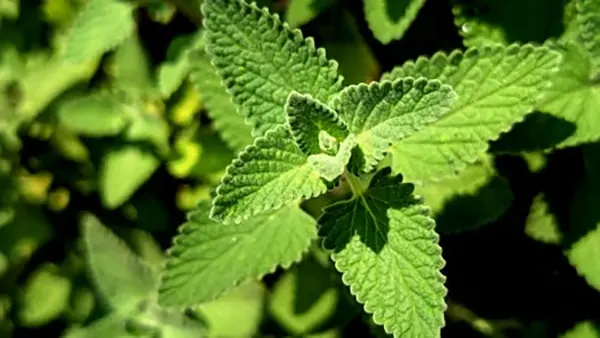
Mint leaves have a refreshing and cooling power. This is used in summer to add to drinks. It is a perennial herb that can be identified easily by its strong aroma. The strong aroma helps with bad breath and reduces stress; meanwhile, the menthol that is available in plants helps with colds, and it is also helpful for indigestion if taken with buttermilk, lime soda, or more.
| Botanical Name | Mentha spicata |
| Edible Part | Leaves: fresh or dried, in soups, drinks, etc. |
| Native range | Europe to China |
| USDA zone | 4 to 9 |
2. Aloe Vera
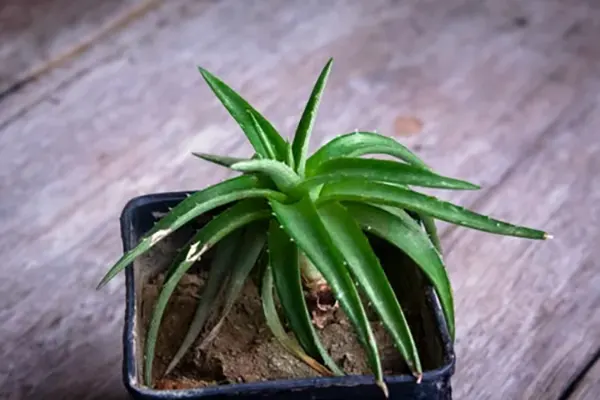
Aloe vera plants are found in almost every home garden; they are also counted among the top five medicinal plants. These can be identified easily by their thick, fleshy leaves that have small teeth like spikes on them.
The leaves hold a gel that contains water and polysaccharides and is called acemannan. This gel is consumed to improve digestion and reduce sugar levels. It is also used in skin care and hair care.
| Botanical Name | Aloe vera (L.) Burm. f. |
| Edible Part | Pulp is used to eat and drink raw. |
| Native Range | Arabian Peninsula |
| USDA zones | 10 to 12 |
3. Holy Basil Plant

Holy basil can be found in every Indian household; it is a spiritual plant for them. This plant has been a queen herb; it is found in various types and is generally identified by its broad, bright green leaves. The leaves
are mainly used in tea; it helps in increasing immunity and cure sore throats, coughs, and colds. This also helps in reducing stress and anxiety. Applications of the leaves can prevent skin infections from insect bites. This medicinal plant’s English name is holy basil.
| Botanical Name | Ocimum tenuiflorum |
| Edible Part | Leaves are used as herbs in drinks or eaten raw. |
| Native Range | Southeast asia |
| USDA zones | 10 to 11 |
4. Indian Ginseng
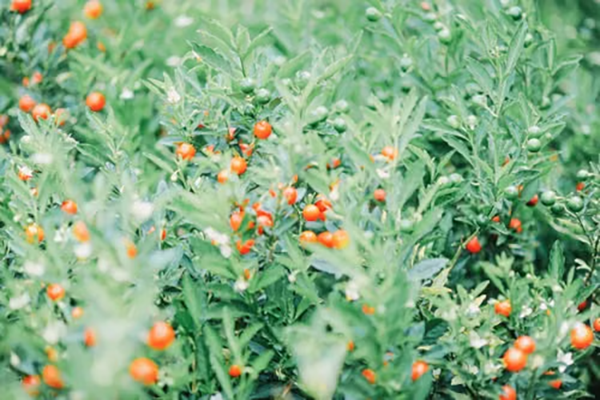
Indian ginseng is an immunity-boosting plant; it is the oldest medicine and is also known as indian ginseng. This plant has dull leaves and bell-shaped flowers that contain the fruit. It helps reduce anxiety and stress and is also known to reduce the body’s blood sugar levels. Most often, this plant is consumed to increase muscle strength.
| Botanical Name | Withania somnifera |
| Edible Part | Roots are medicinal; fruits are also eaten but after removing seeds. |
| Native Range | Europe, China, Africa, and Sri Lanka |
| USDA zones | 8 to 12 |
5. Stevia
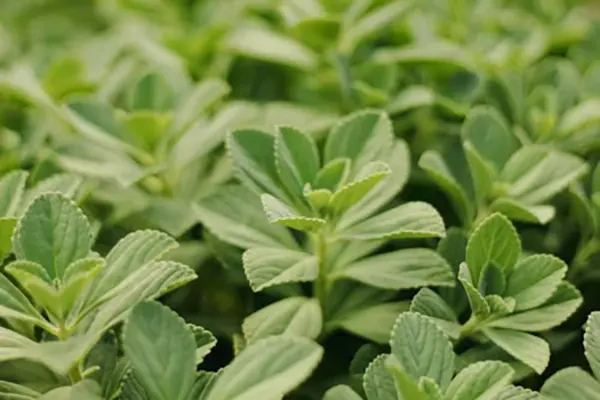
Stevia plants are also known as candy leaf; they are small leafy herbs that act as sweeteners but do not have calories, which is why they are known as healthy substitutes for sugar. This has been used in foods and beverages in Brazil for a very long time. It also does not increase blood sugar levels upon consumption, which means diabetes patients can find a cure for their sweet cravings. Due to these properties, it is among the top 5 medicinal plants.
| Botanical Name | Stevia rebaudiana |
| Edible Part | Leaves are used as a low-calorie sweetener. |
| Native Range | Brazil to Paraguay |
| USDA zones | 10 to 11 |
6. Rosemary Plant

Rosemary plants are also known as the dew of the sea. It has needle-like leaves with blue or purple flowers. This is a low-maintenance plant. The oil is used in skin care and hair care products. It helps reduce stress and anxiety and also helps the body’s cells fight chronic diseases. This is very helpful in aromatherapy. It is the best option among Ayurvedic plants for home use.
| Botanical Name | Salvia rosmarinus |
| Edible Part | Dried stems with leaves are added to tea, vegetables, and stuffing for flavoring. |
| Native Range | Africa, Europe, Western Asia, Mediterranean |
| USDA zones | 8 to 10 |
7. Purple Heart Glory Plant

The purple heart glory plant is anti-inflammatory and antimicrobial. It also helps in sound healing. Women can consume this for relief from cramps and support during menstruation. This can also be consumed for constipation, mild fluid retention, and hypertension. It is also applied on wounds for quick healing. It also helps in detoxifying the liver. However, it is advised to use it only after a doctor’s advice.
| Botanical Name | Ipomoea sepiaria |
| Edible Part | Leaves and roots are eaten for multiple health benefits. |
| Native Range | Tropical Asia |
| USDA zones | 5 to 6 |
8. Thyme
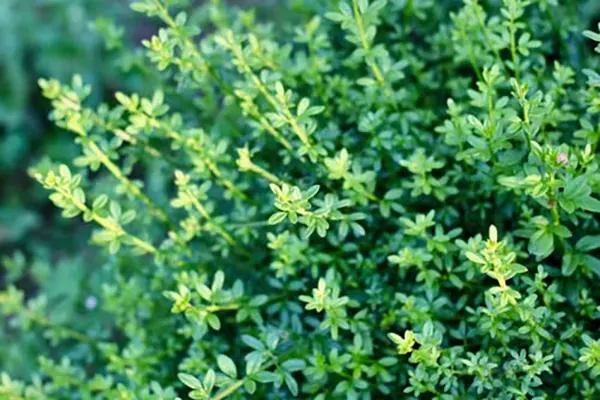
Thyme is a flowering plant that was introduced by the Greeks; they used it for baths and as a room freshener. This plant is rich in vitamins A and C; it is a great source of nutrition. It is also used in aromatherapy as a mood booster. People use this plant to kill viruses, bacteria, and mice. This plant is also counted as a medicinal creeper plant.
| Botanical Name | Thymus vulgaris |
| Edible Part | Fresh or dried leaves are used in flavoring soups, stews, meat, and sauces. |
| Native Range | Southwestern Europe and Southeastern Italy |
| USDA zones | 5 to 9 |
9. Coriander Plant
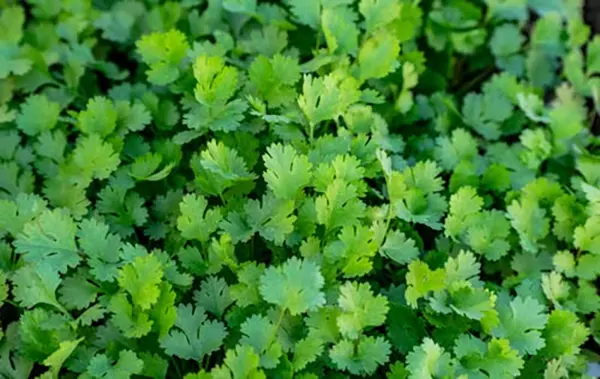
Coriander is a very soft-looking plant; its leaves are called cilantro, whereas the seeds are called coriander. They help the body with indigestion and support gut health. It also has calcium that helps in repairing bones. As per the studies, it also helps in reducing the risk of heart diseases and in controlling diabetes levels; its anti-inflammatory properties help in reducing inflammation and pain, and it also improves gastrointestinal and liver functions.
| Botanical Name | Coriandrum sativum |
| Edible Part | Leaves, stems, and flowers are used as herbs for garnishing, and seeds are used as a spice. |
| Native Range | Western Mediterranean, Southern Europe, Western Asia |
| USDA zones | 2 to 11 |
10. Bay Leaf Plant
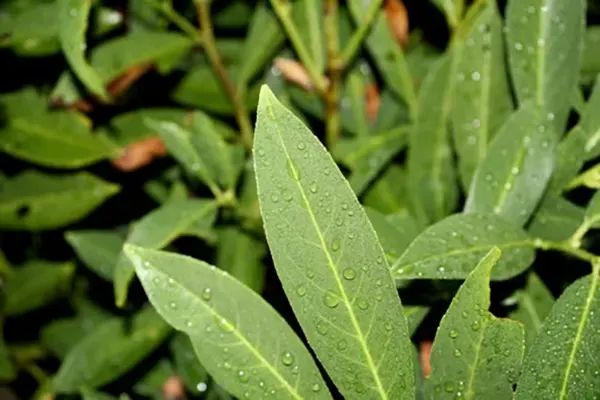
Bay leaves are commonly found in households and are also called tejpatta. They can be grown in your garden and can make food more flavorful. They help with an upset stomach and prevent gastric damage. Bay leaf water is consumed to reduce stress and anxiety and make the mind calm and relaxed, whereas bay leaf oil is helpful for respiratory problems, coughs, and colds and helps with better breathing.
| Botanical Name | Laurus nobilis |
| Edible Part | It is used in curries for flavor; don’t eat it. Just remove it after flavoring. |
| Native Range | Mediterranean |
| USDA zones | 8b to 10 |
11. Asiatic Pennywort

Asiatic pennywort is a herb that helps in connective tissue development and also stimulates the healing process of ulcers, skin injuries, and capillary fragility.
As per studies, it can help with cognitive function and nerve health. It also supports memory, circulation issues, wound healing, and decreasing stretch marks. However, you must consult a doctor before taking this, as it can cause headaches, upset stomach, and dizziness. Espeically in case if you are pregnant, breastfeeding, suffering from liver disease, or taking any medicine.
| Botanical Name | Centella asiatica |
| Edible Part | Leaves are added to salads, rice, or lentil dishes. |
| Native Range | Asia, India, Africa, and Australia |
| USDA zones | 10 to 11 |
12. Calendula

Calendula plants are well known for improving skin problems, it is applied externally to skin reactions like bites, stings, sprains, wounds, sore eyes, and varicose veins. It is consumed to treat fever and chronic diseases. The tea helps tone up the circulation, and if taken regularly, it also eases the varicose veins.
| Botanical Name | Calendula officinalis |
| Edible Part | Flower petals are used to enhance the color of custard, soup, rice, cookies, or vinegar. |
| Native Range | Mediterranean |
| USDA zones | 2 to 11 |
13. Basil
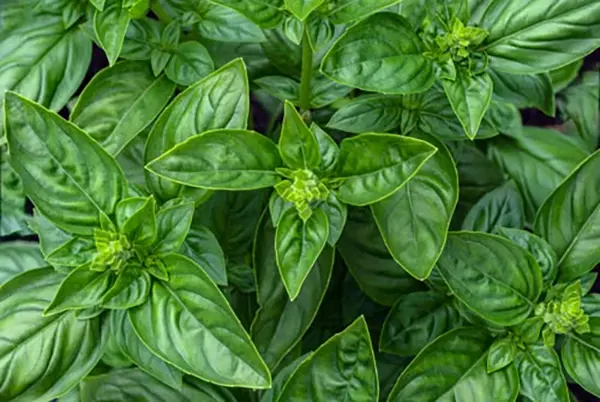
Basil leaves are used in various Italian dishes for garnishing, and it has the power to heal cuts, lack of appetite, stomach gas, and scrapes. This is an antioxidant plant that is used in treating snakebites, colds, inflammation, and common effects like colds. Basil has calcium, vitamin K, and other micronutrients.
| Botanical Name | Ocimum basilicum |
| Edible Part | Leaves and flowers are used in tea for flavoring. |
| Native Range | Tropical Africa and Asia |
| USDA zones | 10 |
14. Fenugreek
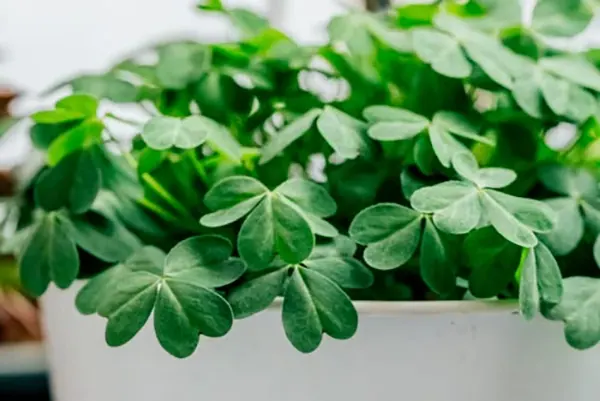
Fenugreek has vitamins A, B1, B2, and C, fiber, oleic acid, choline, and multiple other acids. These are nourishing and help in weight gain, lowering cholesterol, treating inflammation and ulcers, labor pain, menstrual pain, lactation, bodybuilding, bad breath, and poor digestion.
It also helps in restoring taste buds and draining off sweat ducts. As per the studies, it will also inhibit cancer of the liver and type 1.5 or type 2 diabetes.
| Botanical Name | Trigonella foenum-graecum |
| Edible Part | The small mustard colored seeds are used as a spice. |
| Native Range | Southeastern Europe and Western Asia |
| USDA zones | 5 to 9 |
15. Sage

Sage means healing. This plant is consumed for indigestion, flatulence, liver complaints, excessive lactation, excessive perspiration, excessive salivation, anxiety, depression, female sterility, and menopausal problems.
This plant is applied externally to insect bites, skin, throat, mouth, and gum infections. It is also applied to vaginal discharge. This plant is considered very helpful in menopause and menstruation and is also used as a remedy for cancer.
| Botanical Name | Salvia officinalis |
| Edible Part | Leaves are used in tea, meat, vegetables, and eggs. |
| Native Range | Northern Mediterranean |
| USDA zones | 4 to 8 |
16. Peppermint
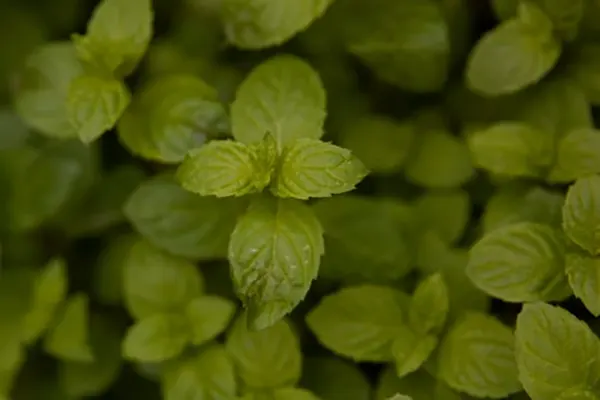
Peppermint has been used as a medicinal plant for a very long time. It contains high levels of vitamins A and C and manganese. This plant has been rubbed on the skin to soothe and relax the muscles, skin irritation, and itchiness.
Infused peppermint leaves are used to reduce irritable bowel syndrome, treat upset stomach, inhibit bacterial growth, and treat fevers, flatulence, and spastic colon.
| Botanical Name | Mentha × piperita |
| Edible Part | Leaves and flowers are added to tea and dishes to add flavor. |
| Native Range | Europe and the Middle East |
| USDA zones | 5 to 9 |
15. Lemon Balm
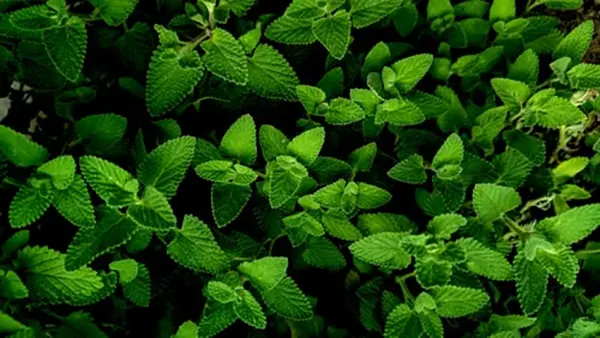
Lemon balm plants flower in the summer. Crushed leaves are used on the skin as a mosquito repellent for herpes, sores, gout, and insect bites. You can drink water infused manner if you have a cold, fever, headache, or indigestion due to nervous tension.
As per the study by the Cleveland Clinic, drinking a cup of lemon balm tea helps improve sleep and decreases anxiety.
| Botanical Name | Melissa officinalis |
| Edible Part | Leaves are edible and can be added to flavour soup, sauce, vegetables, and tea. |
| Native Range | Southern Europe |
| USDA zones | 3 to 7 |
18. Bryophyllum

Bryophyllum is also known as an air plant, life plant, or miracle leaf. This is a kalanchoe succulent. Its leaves or juice are consumed to control diabetes. The leaf paste is also applied to stop bleeding or heal wounds, and it is also applied with coconut oil to heal burns.
To prevent septic infection, you can apply a paste of 15 leaves and 4 peppercorns, ground and mixed with cow ghee. For sciatica and rheumatic pain, you can apply leaves boiled and pasted with oil.
| Botanical Name | Kalanchoe pinnata |
| Edible Part | Leaves are edible and have multiple medicinal benefits. |
| Native Range | Madagascar |
| USDA zones | 9 to 11 |
19. Costus

Dolomiaea costus root and its oil are used for their healing properties. The oil is used in treating asthma, cough, gas, and serious intestinal issues. The oil is also used in making food and providing flavor to the food. The roots are consumed for treating worm infections in the body, such as nematodes. It must be consumed after consultation with a health supervisor and only in small amounts; it contains an acid called aristolochic acid, which can cause kidney infections or cancer.
| Botanical Name | Dolomiaea costus |
| Edible Part | The roots and oil are used. |
| Native Range | South Asia and China |
| USDA zones | 6 to 9 |
20. Vetiver

Vetiver has antiseptic and anti-inflammatory effects. It is used to get relief from inflammation in the circulatory and nervous systems. This helps in creating a tonic bath; that’s why it is used in high-quality soaps. It is also very helpful for people suffering from gout, arthritis, muscular aches, dryness, and cracking skin.
The oil of the vetiver is used as a sedative to treat emotional outbrust that is anger, anxiety, epileptic attacks, hysterical attacks, restlessness, and nervousness. This medicinal plant name in english is vetiver.
| Botanical Name | Chrysopogon zizanioides |
| Edible Part | Used in flavoring as a syrup. |
| Native Range | India |
| USDA zones | 8b to 10b |
Conclusion
If you want to add some medicinal plants in your garden, then I have added 20 medicinal plant names in the guide with their properties in detail. It contains the names of Ayurvedic plants, medicinal tree names, etc. Most of these plants are low maintenance and can be used in tea or as raw leaves.
It is advised that, before consuming them, please consult your medical advisor for precautions. By growing medicinal plants at home, you will get fresh leaves and flowers at home.
What is the mother of all herbs?
The Plectranthus amboinicus plant is commonly referred to as the mother of all herbs. This plant is a fragrant, semi-succulent perennial plant that belongs to the mint family.
Can you give me a list of herb plants?
Mint leaves, rosemary, thyme, coriander, lemon balm, and basil are herb plants. These plants are used as an herb in garnishing and flavoring soup, curry, etc. They also have multiple medicinal benefits.
What are the 10 medicinal plants?
Aloe vera, Indian ginseng, calendula, stevia, rosemary, peppermint, fenugreek, curry patta, thyme, and coriander are 10 medicinal plants. These can be consumed in vegetables, soups, and stuffing, or raw.
What are the 20 medicinal plants?
Mint leaves, aloe vera, holy basil plant, Indian ginseng, stevia, and rosemary plant. Curry patta, thyme, coriander, bay leaves, Asiatic pennywort, calendula, basil leaves, fenugreek, sage, peppermint, bryophyllum, lemon balm, costus, and vetiver are names of 20 medicinal plants.
Can you give me 15 names of medicinal plants?
Mint leaves, Curry patta, thyme, coriander, bay leaves, Asiatic pennywort, calendula, basil leaves, Fenugreek, sage, peppermint, bryophyllum, lemon balm, costus, and vetiver are plants that have multiple medicinal benefits; these can be consumed raw or in sauces or soups.
A Guide to Common Medicinal Herbs: University of Rochester Medicine