

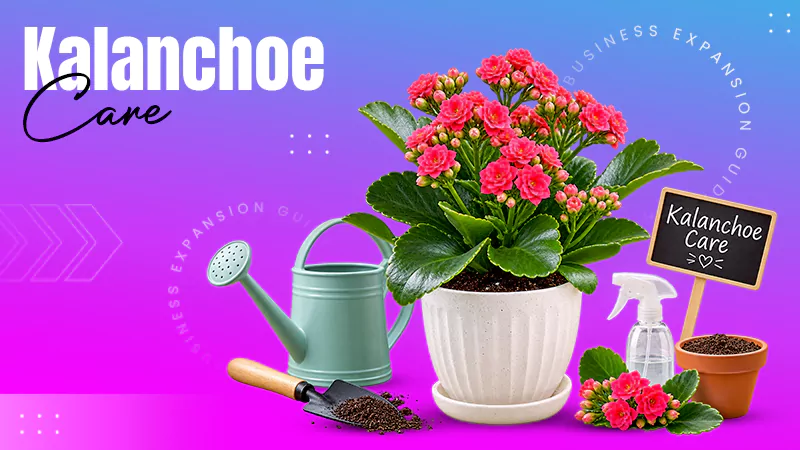
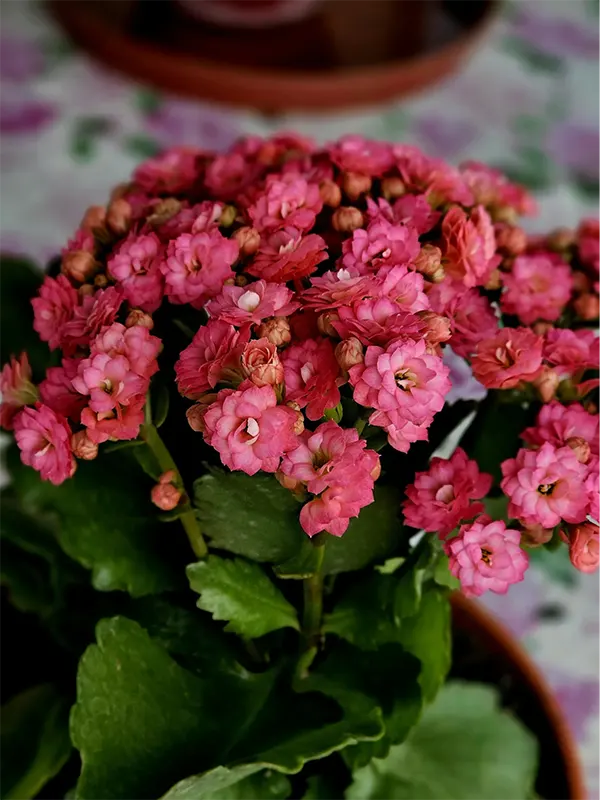
Kalanchoe plant, commonly known as widow’s-thrill, is an evergreen succulent, perennial plant celebrated for its glossy green leaves and striking blooms in various hues of pink, orange, white, and red. The plant is a genus of about 125 species and belongs to the Crassulaceae family is native to Madagascar and tropical Africa.
This easy-to-grow plant can be grown both indoors and outdoors and is also considered to be an auspicious plant in various cultural traditions, symbolising prosperity, good fortune, resilience, and wealth.
Read the article to gain more information regarding kalanchoe plant’s care tips, growing process, taxonomy, ideal growing conditions, and much more.
Taxonomy and Ideal Growing Conditions For the Kalanchoe
Kalanchoe succulent is a slow-growing, bushy, upright, and rounded houseplant. This plant is known for its drought-tolerant properties, making it perfect for beginners and pro gardeners. For more general information, here is the taxonomic overview and ideal growing conditions of the plant:
| Botanical name | Kalanchoe blossfeldiana |
| Common names | Flaming Katy, Christmas Kalanchoe, widow’s-thrill |
| Kingdom | Plantae |
| Order | Saxifragales |
| Family | Crassulaceae (Stonecrop family) |
| Genus | Kalanchoe |
| Species | Some common species are panda plant (K. tomentosa); penwiper plant (K. marmorata); velvet leaf, or felt bush (K. beharensis); and devil’s backbone, or mother of thousands (K. daigremontiana). |
| Native area | Madagascar and Tropical Africa |
| Bloom period | Late winter through spring |
| Hardiness | 10 to 12 USDA zones |
| Light Requirements | Bright, indirect sunlight |
| Maintenance | Low |
| Type | Perennial, succulent |
| Soil | Well-drained cactus soil |
| Flower colour | Red, pink, yellow, white, and orange |
| Water Requirements | Average |
| Mature size | 6 to 18 inches tall and wide |
| Tolerant | Drought-tolerant |
| Fertilizers | Not a heavy feeder |
| Toxicity | Toxic to pets |
How to Propagate a Kalanchoe Plant
Propagating kalanchoe is considered to be an efficient and easy way to grow kalanchoe. Propagating also helps the main plant, also known as the mother plant, to grow and spread in a healthier manner. Prune the offsets and propagate them carefully.
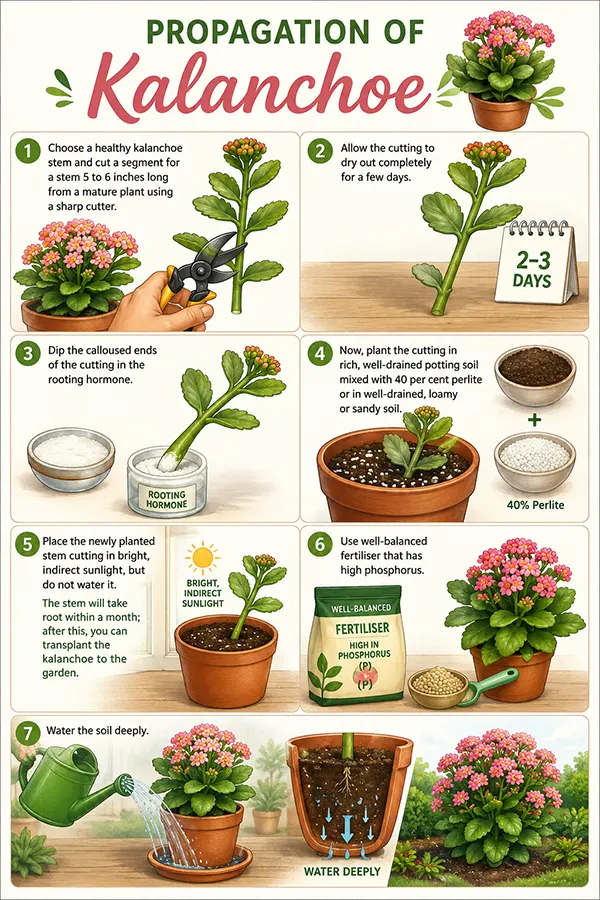
You can also propagate the kalanchoe plant by stem cutting. Here are some of the common steps that I follow every season to propagate my kalanchoe plant:
- Choose a healthy kalanchoe stem and cut a segment for a stem 5 to 6 inches long from a mature plant using a sharp cutter.
- Allow the cutting to dry out completely for a few days.
- Dip the calloused ends of the cutting in the rooting hormone.
- Now, plant the cutting in rich, well-drained potting soil mixed with 40 per cent perlite or in well-drained, loamy or sandy soil.
- Place the newly planted stem cutting in bright, indirect sunlight, but do not water it.
- The stem will take root within a month; after this, you can transplant the kalanchoe to the garden.
- Use well-balanced fertiliser that has high phosphorus.
- Water the soil deeply.
Did you know?
The word Kalanchoe is derived from the Chinese term ‘kalan chau’ that means “which falls and grows”. This symbolises the growing habit of the kalanchoe plant.
Kalanchoe Plant Care Tips
Anytime you plan to grow a plant, the most essential step is plant care. Here are some of my tips that helped my plant grow healthily:
- Plant the kalanchoe in loose, well-drained, loamy, or sandy soil.
- Choose a warm indoor location that receives indirect, bright sunlight.
- Outdoors, ensure that the plant is protected from late afternoon sun and receives sunlight in the morning hours.
- The plant needs to completely dry out between watering sessions. When the soil dries out completely, water it deeply and reduce watering in winter.
- Fertilise indoor kalanchoe once a month during summer and spring.
- Repot your plant every year or two.
- Prune the plant to maintain its shape and promote healthy plant growth.
- Overwinter: If your plant is planted outdoors, make sure to bring it indoors.
- The only pest that attacks kalanchoe plants is aphids. Keep a check on the underside of your plant. In case aphids are detected, use neem oil or any other organic pesticide.
What are the Different Types of Kalanchoe Plant?
There are over 250 species of the Kalanchoe genus, based on leaf colour and texture. Take a look at some of the most popular species of Kalanchoe among gardeners:
| Plant with Image | Description |
Kalanchoe tomentosa 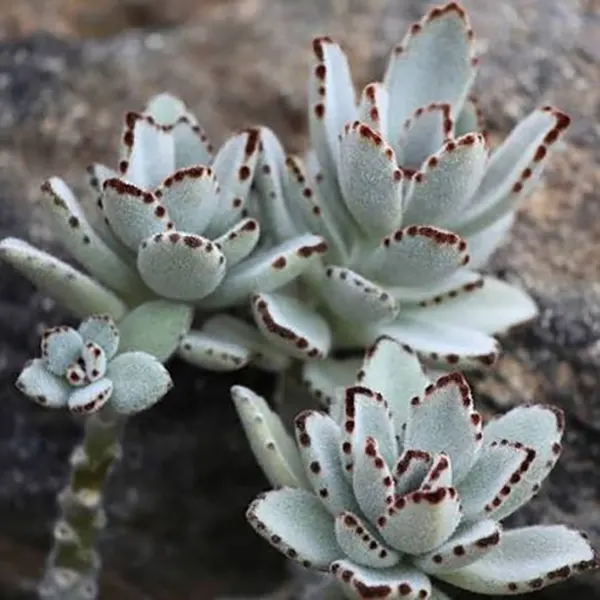 | Kalanchoe tomentosa is also known as panda plant or donkey ears and rarely produces yellow-green flowers. It is a slow-growing plant that can grow up to 3 ft. tall and 2 to 3 ft. wide. |
Kalanchoe thyrsiflora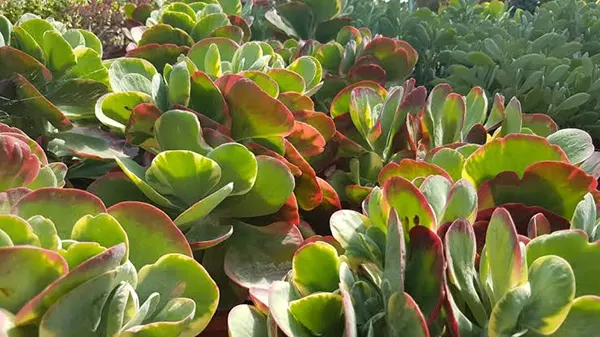 | Kalanchoe thyrsiflora is also known as paddle plant, is native to Botswana, South Africa, and Lesotho. It is a succulent perennial that grows up to 60 cm in height and produces shoots at its base. |
Kalanchoe luciae 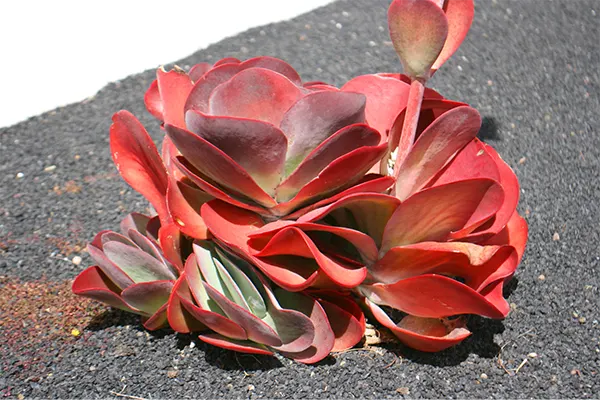 | Kalanchoe luciae, or succulent flapjacks, is a highly popular succulent. The plant is known for its bright colouration and flat, rounded leaves which are green near the stem and grow red on the edges. |
Kalanchoe Plant Benefits
Kalanchoe succulent, especially kalanchoe pinnata, also known as leaf of life or miracle plant, is known for multiple health benefits. Here are some of the kalanchoe plant benefits that you might not have been aware of:
- Kalanchoe plant leaves are best for the skin, it provides soothing, hydrating, and calming effects.
- According to the Journal of Medicinal Food, the plant is also known to reduce inflammation and swelling, as it is enriched with anti-inflammatory properties, but eventually it gets toxic and might even lead to death if consumed as a primary medicinal source. It is best to consult a doctor rather than consuming the plant extracts.
- NCBI studies claim that the plant helps protect the stomach lining, reduces acid damage, and improves mucus production in the stomach.
Takeaways
The kalanchoe is a perennial succulent that proves that with minimal care and effort, you can grow a plant that not only enhances your home decor in a natural manner but also comes with many benefits.
While in China, the kalanchoe plant is considered to be a lucky plant associated with wealth and prosperity; others consider it to be a health-beneficial plant. Kalanchoe is widely grown by many gardeners who understand its value. If you are planning to plant kalanchoe, propagating it is one of the best possible ways.
Happy growing!
Is kalanchoe perennial?
Yes, kalanchoe is a perennial plant.
What are the common species of kalanchoe?
Some of the most popular and commonly found kalanchoe varieties include Kalanchoe blossfeldiana, Kalanchoe tomentosa, Kalanchoe marmorata, Kalanchoe beharensis, and Kalanchoe daigremontiana.
What are the best kalanchoe growing conditions?
The kalanchoe thrives outdoors in tropical climates and is often grown indoors in cooler regions.
Do kalanchoe need regular watering?
No, kalanchoe is known as a drought-tolerant plant, so it can survive for a couple of weeks without watering if kept in bright light.
How to encourage more blooms?
To encourage more blooms in your kalanchoe plant, deadhead the flowers once blooms are spent.
Kalanchoe: Britannica