

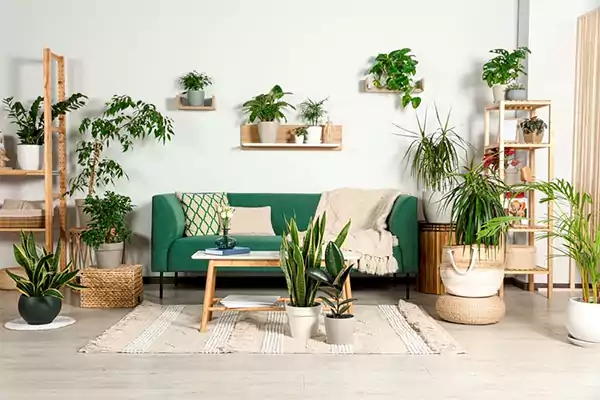
Indoor plants are known to be one of the best home decor products that not only aesthetically pleases your eyes but also helps in maintaining indoor air quality by removing toxic pollutants from the air.
In contemporary times, indoor plants are becoming increasingly popular among the masses. The reason is that people are looking for easy care indoor greenery for stylish home spaces. Let’s get into the 20 low maintenance indoor plants that improve home decor.
20 Best Indoor Plants That Improve Home Decor and Air Quality
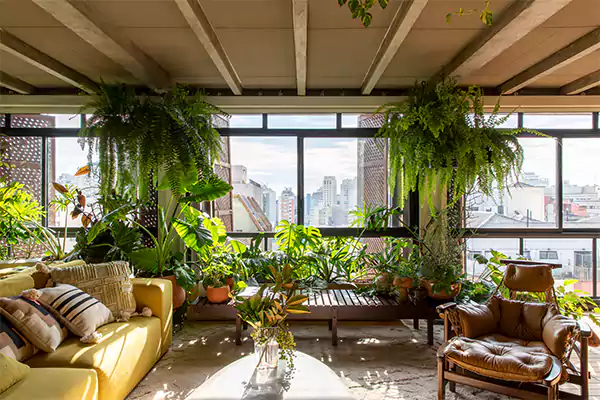
Good indoor plants are those that require low sunlight and can tolerate humidity. They don’t tend to grow so much so early, and therefore are low-maintenance. The example of common indoor plants that improve home decor includes Dracaena, Hedera Helix, ZZ plant, Philodendron, Pothos, and many more.
Here is the list of 20 aesthetic houseplants that improve interior design and are trendy houseplants for minimal and modern interiors.
1. Pothos (Epipremnum aureum)
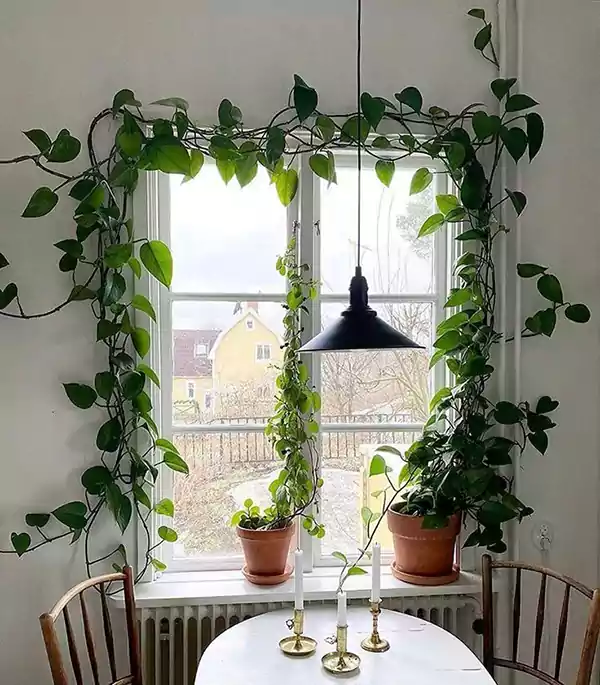
Pothos is one of the easiest-growing houseplants, which comes in a variety of foliage colours. They are trendy houseplants for minimal and modern interiors, which can be allowed to trail from a hanging basket or trained up vertically. The plant is also known for removing toxic pollutants from the air.
For more general information, take a look at its taxonomic overview –
| Kingdom | Plantae |
| Family | Araceae |
| Genus | Epipremnum |
| Species | E. aureum |
Pothos are fast-growing climbers that often add around 12 to 15 inches in length within a month. Let’s see the ideal growing conditions they need in detail –
| Hardiness zones | USDA Zone 10-12 |
| Sunlight Requirements | Bright, indirect light |
| Soil |
|
| Water Requirement |
|
| Mature size | 20 to 40 ft. long and 3 to 6 ft. wide. |
2. Philodendron (Philodendron spp.)
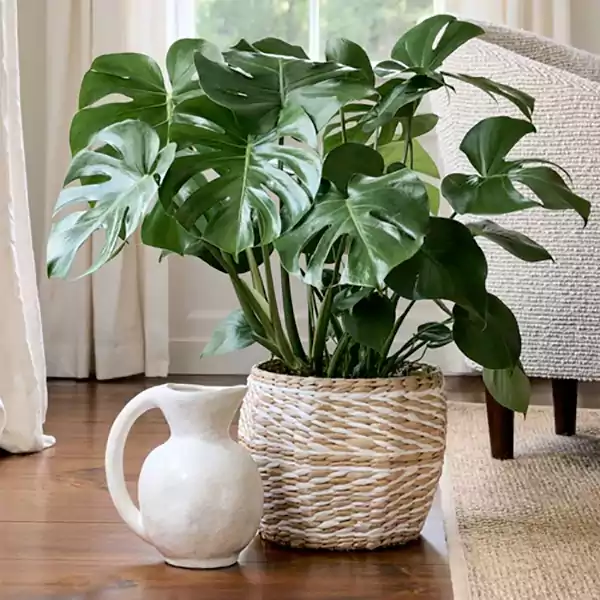
Philodendrons are another easy-to-grow house plant. They are also known for their tolerant behaviour, as they can even survive in low light. The plant offers foliage in various colours, shapes and sizes.
For more general information, take a look at its taxonomic overview –
| Kingdom | Plantae |
| Type | Vine, Perennial |
| Family | Araceae |
| Genus | Philodendron |
Philodendrons can grow outdoors during the mild season. It is a low-maintenance plant and is also known as a self-healing plant. If your plant is dying due to low light, move it to a well-lit area. Let’s see the ideal growing conditions they need in detail –
| Hardiness zones | USDA Zone 10-12 |
| Sunlight Requirements | The plant prefers medium to bright indirect sunlight. Note- The plant can survive in low indirect light as well. |
| Soil |
|
| Water Requirement |
|
| Fertilize | Use water-soluble fertiliser from spring to fall. |
| Season of Interest | Spring, summer, fall, and winter. |
3. Fiddle Leaf Fig (Ficus lyrata)
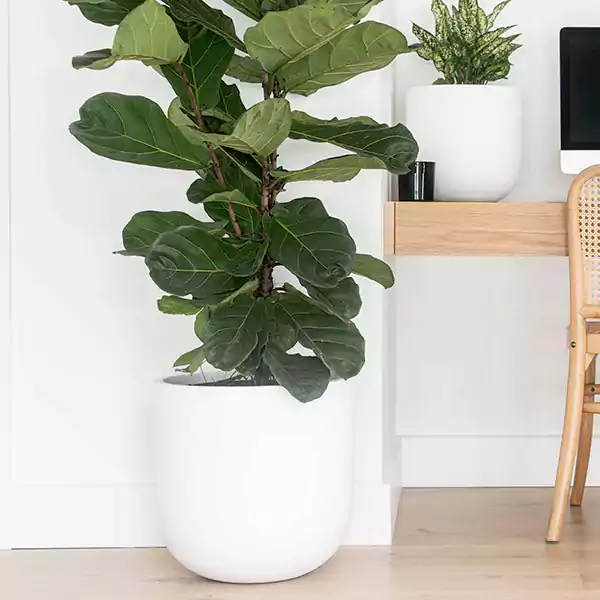
Fiddle leaf fig plants are popular for their large size and attractive leaves. They can be used in your living rooms and office for their aesthetic values and air purification quality.
For more general information, take a look at its taxonomic overview –
| Kingdom | Plantae |
| Family | Moraceae |
| Genus | Ficus |
| Species | F. benjamina L. |
The plant is a bit difficult to take care of as it requires regular watering and bright, indirect sunlight for 6 hours every day. Let’s see the ideal growing conditions they need in detail –
| Hardiness zones | USDA Zone 10-12 |
| Sunlight Requirements | Bright, indirect light |
| Soil |
|
| Water Requirement |
|
| Mature size | The plant grows around 50 ft. tall outdoors and around 10 ft. tall indoors. |
4. Chinese Evergreen (Aglaonema spp.)
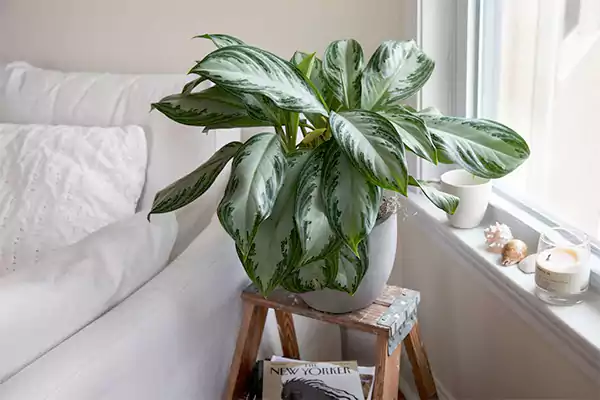
Chinese evergreen is among the favourites plants for indoor gardening. It is known for its air-purifying quality, which helps in removing pollutants like formaldehyde and benzene.
For more general information, take a look at its taxonomic overview –
| Kingdom | Plantae |
| Family | Araceae (Arum family) |
| Genus | Aglaonema |
The plant is also appreciated for its tolerant nature, as it can survive in low lighting and infrequent watering. People who can not invest much of their time in caring for their plants often prefer the Chinese evergreen.
Let’s see the ideal growing conditions they need in detail –
| Hardiness zones | USDA Zone 10-12 |
| Size | The plant can grow 2 to 3 feet tall. |
| Sunlight Requirements | Bright, indirect light |
| Soil |
|
| Water Requirement |
|
| Fertilize | The plant needs to be fertilised from early spring to fall with diluted liquid fertiliser. |
5. Prayer Plant (Calathea spp.)
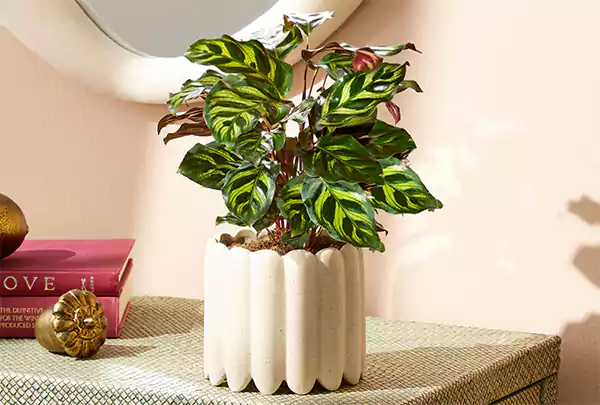
Prayer plants are also called rattlesnake plants, and the Rattlesnake Calathea live plant is one of the most popular species. They are known for their decorative foliage in different patterns and colours.
For more general information, take a look at its taxonomic overview –
| Kingdom | Plantae |
| Family | Marantaceae |
| Genus | Calathea g. mey |
| Order | Zingiberales |
The prayer plant is not too demanding, but you need to be certain about some things, like it hates its roots disturbed and therefore, only repot the plant in spring when it is rootbound.
Let’s see the ideal growing conditions they need in detail –
| Hardiness zones | USDA Zone 11-12 |
| Mature size | 1 to 2 ft. tall and wide |
| Sunlight Requirements | Bright, indirect light |
| Soil |
|
| Water Requirement |
|
| Season of Interest | Spring and summer. |
6. Peace Lily (Spathiphyllum spp.)
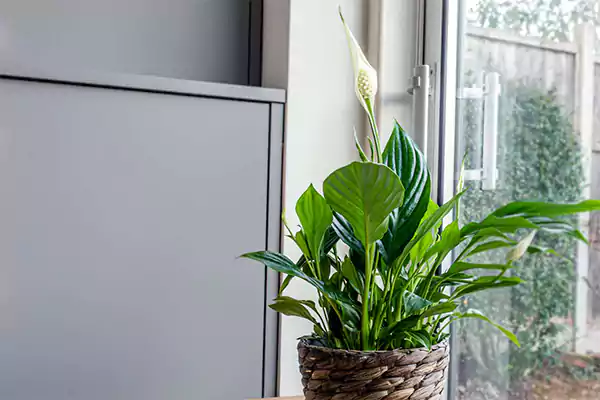
Peace lilies are known for their beautiful white spathes that are surrounded by creamy white flowers. The plant offers anti-pollutant properties, which help to keep your indoor surroundings clean and toxin-free.
For more general information, take a look at its taxonomic overview –
| Kingdom | Plantae |
| Family | Araceae (Arum family) |
| Genus | Spathiphyllum |
| Species | Spathiphyllum wallisii |
Peace lily loves warm and humid weather. The plant spikes flowers, blooming from mid-spring to late summer. The plant demands little attention and can grow up to 16 inches tall.
Let’s see the ideal growing conditions they need in detail –
| Hardiness zones | USDA Zone 3-9 |
| Sunlight Requirements | Bright sunlight for around 6 hours a day. Note: The plant can tolerate low light. |
| Soil |
|
| Water Requirement |
|
| Fertilizer | Use water-soluble houseplant fertiliser every two months. |
7. Bird’s Nest Fern (Asplenium nidus)
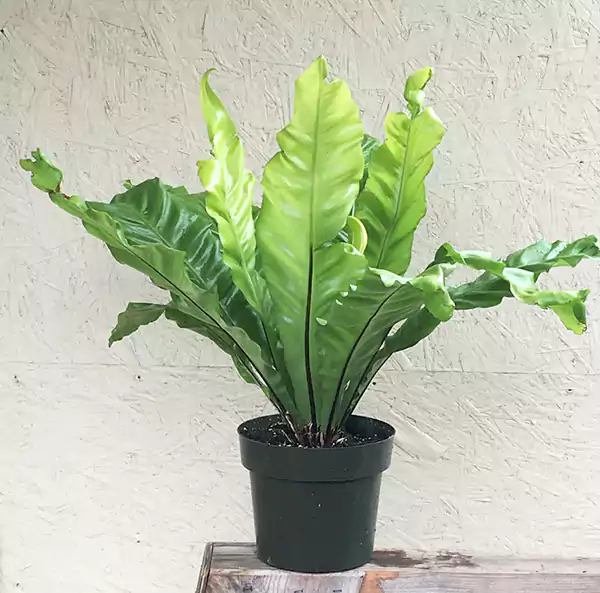
Bird’s nest fern plants are best for the centre table. They are known for their new fronds that unfurl from the centre of the plant and grow upright.
For more general information, take a look at its taxonomic overview –
| Kingdom | Plantae |
| Family | Aspleniaceae |
| Genus | Asplenium |
| Specie | Asplenium nidus, A. australasicum, A. antiquum, A. serratum |
Bird nest fern plants thrive in warm and humid environments. Since the plant likes bright, indirect light, it is preferable to place it near a window.
Let’s see the ideal growing conditions they need in detail –
| Hardiness zones | USDA Zone 11-12 |
| Sunlight Requirements | Bright, indirect light |
| Soil |
|
| Water Requirement |
|
| Mature size | 2 ft. tall and wide |
| Fertilizer | Fertilise the plant once every month during the growing season with diluted houseplant fertiliser. |
8. Parlor Palm (Chamaedorea elegans)
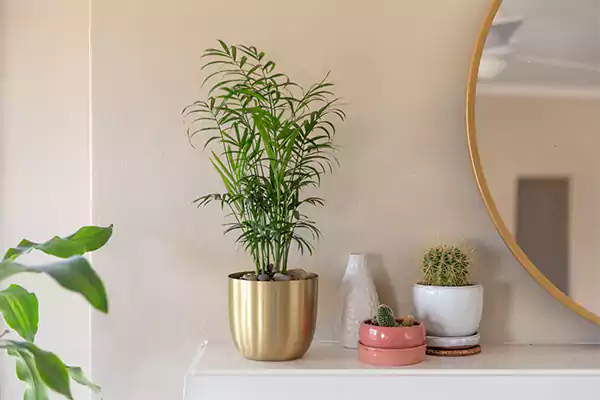
The parlor palm plant is a popular choice among dimly lit offices and rooms. They grow best indoors and can adapt to low light and low temperatures. The plant is also helpful in removing pollutants from the air.
For more general information, take a look at its taxonomic overview –
| Kingdom | Plantae |
| Family | Arecaceae |
| Genus | Chamaedoreeae |
| Species | C. elegans |
A parlor palm plant does not demand much care, but you need to choose the correct planter size with proper drainage.
Let’s see the ideal growing conditions they need in detail.
| Hardiness zones | USDA Zone 10-12 |
| Sunlight Requirements | Bright, indirect light |
| Soil |
|
| Mature size | It can grow 2 to 6 ft. tall |
| Water Requirement |
|
| Fertilizer | Fertilise the plant monthly in spring and summer. |
9. ZZ Plant (Zamioculcas zamiifolia)
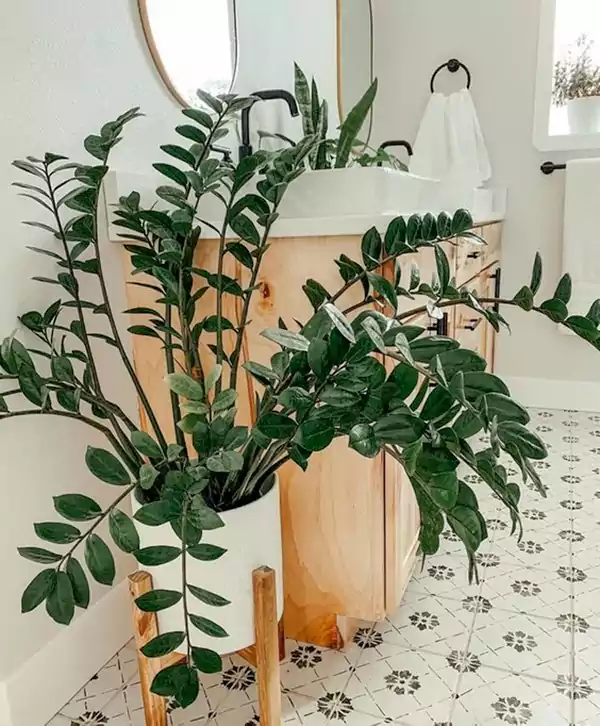
The ZZ plant has naturally shiny leaves, which helps in the low-maintenance of the plant for its good looks and long life. All you need to do is dust the leaves with a damp cloth every 10 to 15 days. The plant grows from thick, succulent rhizomes, which are used by the plant for storing water.
For more general information, take a look at its taxonomic overview –
| Kingdom | Plantae |
| Family | Araceae (aroid) |
| Genus | Zamioculcas |
| Species | Zamioculcas zamiifolia |
The ZZ plants grow upright, have deep green leaves and are perfect for keeping indoors as they do not require much care. Let’s see the ideal growing conditions they need in detail –
| Hardiness zones | USDA Zone 9-10 |
| Sunlight Requirements | Bright to low, indirect light |
| Mature size | The plant grows 2 to 4 ft. tall and wide. |
| Soil |
|
| Mature size | 2 to 3 ft. tall |
| Water Requirement |
|
| Fertiliser | The plant needs to be fertilised only once every 2.5 to 3 months. |
| Blooming season | Spring |
10. Cast Iron Plant (Aspidistra elatior)
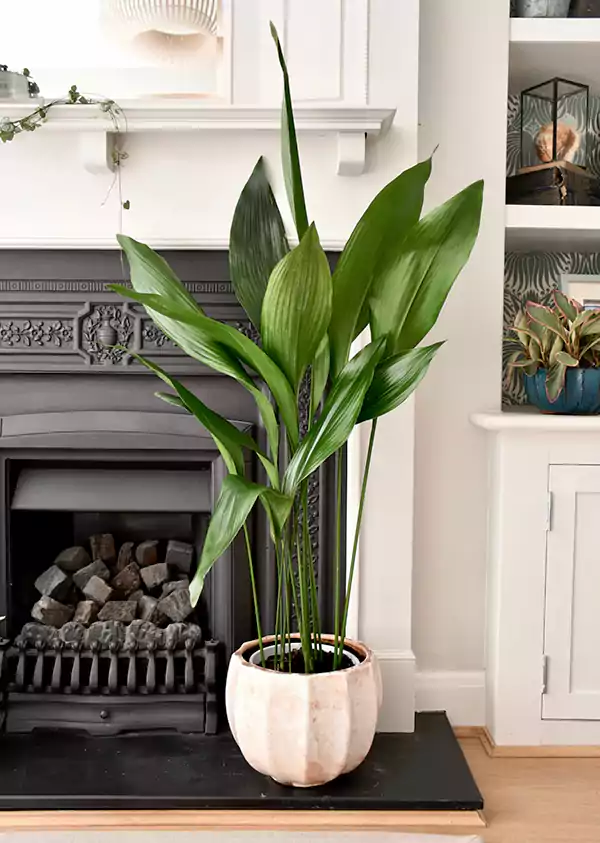
A cast-iron plant is known for its low-maintenance property, which can thrive even if little care is provided. The plant enhances the aesthetic corner of the room and can help in maintaining indoor temperature.
For more general information, take a look at its taxonomic overview –
| Kingdom | Plantae |
| Family | Asparagaceae |
| Genus | Aspidistra |
| Species | A. elatior |
Cast Iron Plant is a slow-growing plant and can take up to 2 years to reach their full height. The plant requires little attention and care.
Let’s see the ideal growing conditions they need in detail –
| Hardiness zones | USDA Zone 8-10 |
| Sunlight Requirements | Bright, indirect light |
| Soil |
|
| Mature size | 2 to 3 ft. tall and 1 to 2 ft. wide |
| Water Requirement |
|
| Fertilizer | Once a month from spring to fall. |
| Season of Interest | Spring and summer. |
11. Rubber Plant (Ficus elastica)
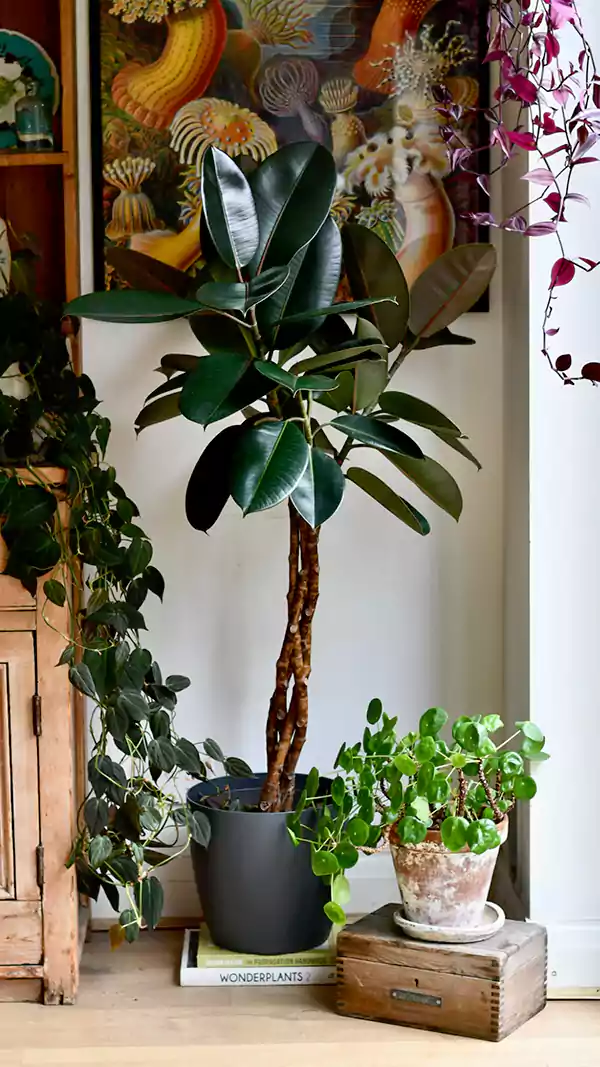
Rubber plants are known for their beautiful leaves, and it is also known as air-purifying plants. The plant comes in different varieties and colours. For more general information, take a look at its taxonomic overview –
| Kingdom | Plantae |
| Family | Moraceae |
| Genus | Ficus |
| Species | F. elastica |
Rubber plants need balanced care, which includes bright, indirect sunlight and water. Let’s see the ideal growing conditions they need in detail –
| Hardiness zones | USDA Zone 9-12 |
| Sunlight Requirements | Bright, indirect light |
| Mature size | 6 to 10 ft. tall. |
| Soil |
|
| Water Requirement |
|
| Fertilizer | Fertilise the plant every two weeks from spring to fall and once a month in winter. |
| Growing season | Summer |
12. Tradescantia (Tradescantia spp.)
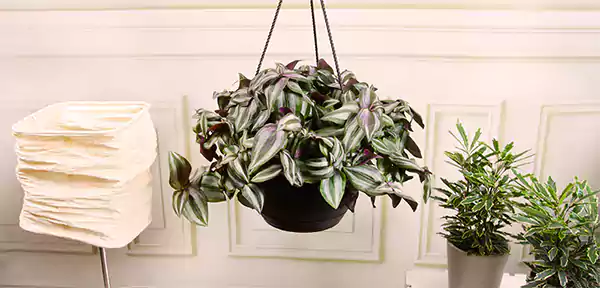
Tradescantia are easy-to-grow trailing plants and are beginner-friendly. The plant comes with attractive foliage in different patterns and colours. It is an upright, medium to fast-growing plant. For more general information, take a look at its taxonomic overview –
| Kingdom | Plantae |
| Family | Commelinaceae |
| Genus | Tradescantia L. |
| Order | Commelinales |
It is an easy-to-care-for plant if watered properly and placed in indirect, bright light. Let’s see the ideal growing conditions they need in detail –
| Hardiness zones | USDA Zone 4-9 |
| Sunlight Requirements | Bright, indirect light |
| Soil |
|
| Mature size | 3 to 36 inches tall and 9 to 24 inches wide. |
| Water Requirement |
|
| Fertilizer | Use balanced liquid houseplant fertilizer monthly for better growth. |
| Season of Interest | Spring, summer, fall, and winter. |
13. Watermelon Peperomia (Peperomia argyreia)
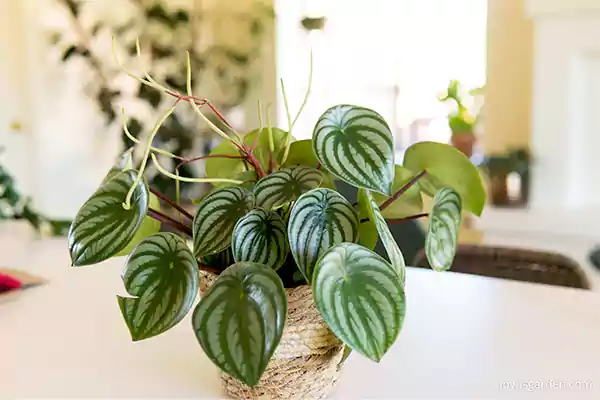
Watermelon Peperomia is a visual aesthetic plant known for its round and fleshy leaves. These compact houseplants are easy to propagate. For more general information, take a look at its taxonomic overview –
| Kingdom | Plantae |
| Family | Piperaceae (Pepper family) |
| Genus | Peperomia (Radiator plants) |
| Species | P. argyeia |
Watermelon peperomia are easy-to-care-for plants. The plant prefers regular watering and loves bright to medium sunlight. Let’s see the ideal growing conditions they need in detail –
| Hardiness zones | USDA Zone 10-12 |
| Sunlight Requirements | Bright, indirect light |
| Soil |
|
| Mature size | The plants grow from 6 to 8 inches tall. |
| Water Requirement |
|
| Fertilizer | Use a balanced liquid fertilizer monthly between mid-March and November, which is also their growing season. |
| Season of Interest | Spring and summer. |
14. Air Plant (Tillandsia spp.)
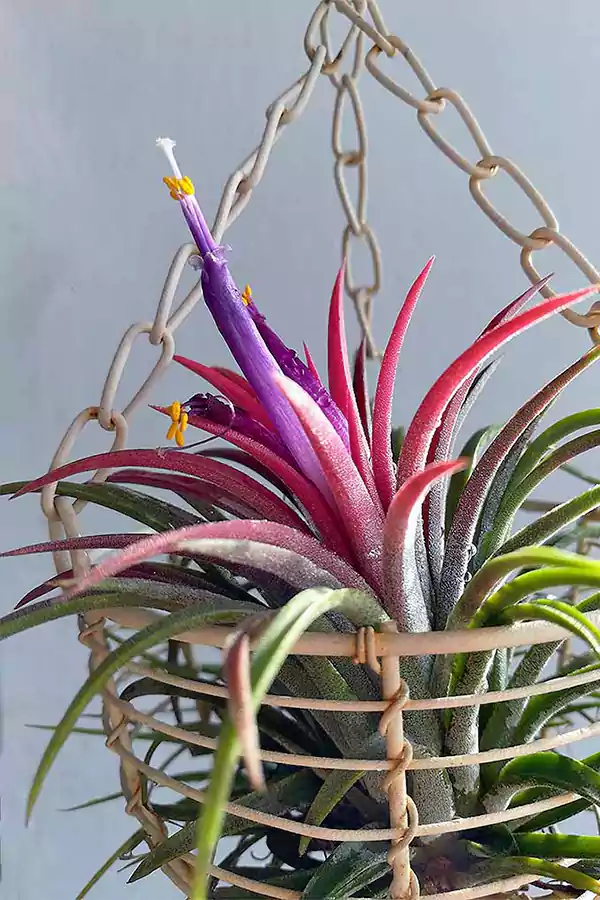
Air plants are known for their leaves and receive their moisture and nutrients from the leaves. It is also known as an air-purifying plant. The plant belongs to the bromeliad family. For more general information, take a look at its taxonomic overview –
| Kingdom | Plantae |
| Family | Bromeliaceae (Bromeliads) |
| Genus | Tillandsia L. (Air Plants) |
| Order | Poales |
| Species | There are over 3,700 species of bromeliad plants. The popular indoor and outdoor bromeliads include-
|
Air plants are known for their adaptive nature and low care requirements. Let’s see the ideal growing conditions they need in detail –
| Hardiness zones | USDA Zone 10-11 |
| Sunlight Requirements | Bright, indirect light |
| Soil |
|
| Water Requirement |
|
| Fertilizer | Use an epiphyte fertilizer spray weekly. |
| Season of Interest | Spring, summer, fall, and winter. |
15. Polka Dot Plant (Hypoestes phyllostachya)
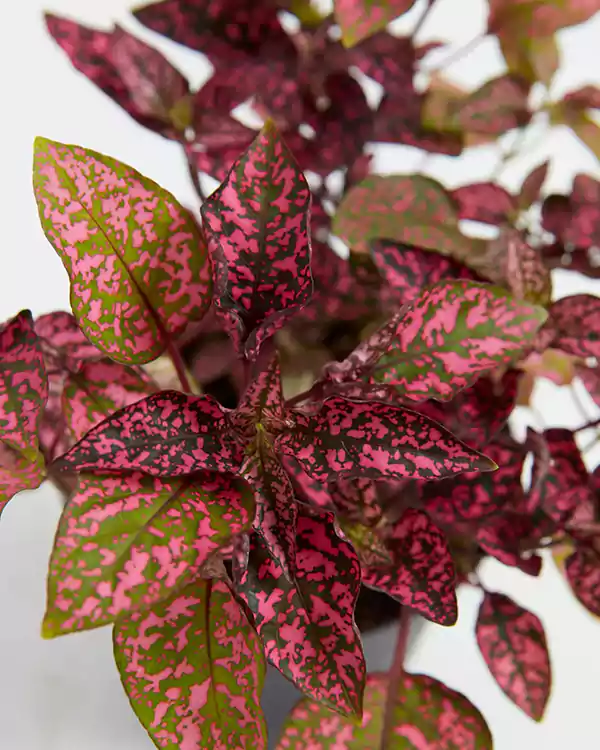
The polka dot plant is an evergreen shrub with colourful leaves featuring white, pink, or red spots. They are super easy to grow. For more general information, take a look at its taxonomic overview –
| Kingdom | Plantae |
| Family | Acanthaceae (Acanthus family) |
| Genus | Hypoestes |
| Class | Magnoliopsida |
The polka dot plants thrive best in bright, indirect light, warm and humid conditions, which makes them perfect for an indoor setting. Let’s see the ideal growing conditions they need in detail –
| Hardiness zones | USDA Zone 10-11 |
| Sunlight Requirements | Bright, indirect light |
| Mature size | 30 to 40 inches tall and 12 to 18 inches wide. |
| Soil |
|
| Water Requirement |
|
| Fertilizers | Once a month during the summer and spring. |
| Bloom season | Summer to early fall. |
16. African Violet (Saintpaulia ionantha)
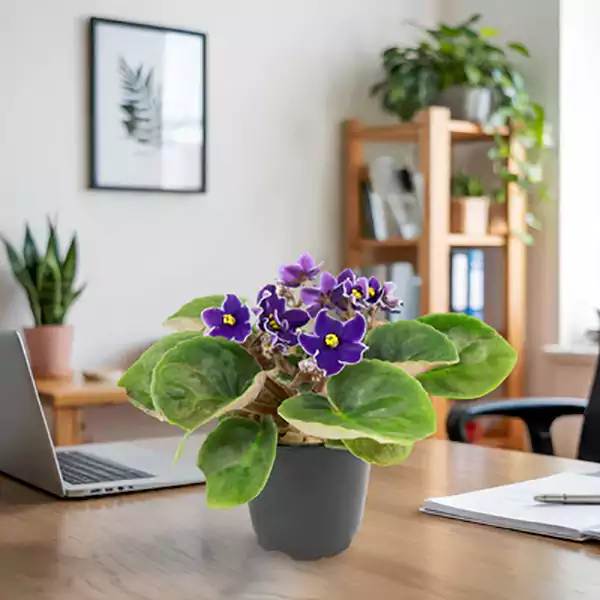
The African violet is easy to keep alive with little care. The plant blooms from spring to summer when provided with proper light. It requires repotting once a year. For more general information, take a look at its taxonomic overview –
| Kingdom | Plantae |
| Family | Gesneriaceae (Gesneriad family) |
| Genus | Streptocarpus |
| Species | Streptocarpus ionanthus (Synonym: Saintpaulia ionantha) |
The African Violets thrive indoors when kept in bright, indirect light and in warm temperatures. It is a low-maintenance plant and also improves indoor air quality. Let’s see the ideal growing conditions they need in detail –
| Hardiness zones | USDA Zone 11-12 |
| Sunlight Requirements | Bright, indirect light. Rotate the plant for better growth and equal light exposure. |
| Soil |
|
| Mature size | The plant grows from 6 to 18 inches tall and wide. |
| Water Requirement |
|
| Fertilizer | Use diluted fertilizer every two to three weeks. |
| Season of Interest | Spring and summer. |
17. Snake Plant (Sansevieria spp.)
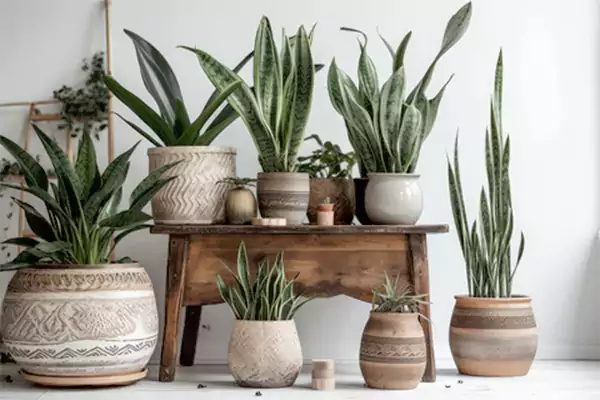
Snake plants are known for their air purification property. They remove toxic pollutants. The plant is also known to be among the few plants which convert carbon dioxide into oxygen even at night. For more general information, take a look at its taxonomic overview –
| Kingdom | Plantae |
| Family | Asparagaceae |
| Genus | Sansevieria |
| Species | The plant has over 70 species. Among them, Sansevieria trifasciata is well known. |
Snake plant is a low-maintenance plant that adapts to its surroundings and can thrive in direct and indirect light. The plant can also tolerate underwatering and does not require frequent repotting.
Let’s see the ideal growing conditions they need in detail –
| Hardiness zones | USDA Zone 9-11 |
| Sunlight Requirements | Bright, indirect light |
| Soil |
|
| Mature size | 6 inches to 15 inches |
| Water Requirement |
|
| Fertilizer | It isn’t necessary to fertilise the plant, but you can occasionally fertilise it in spring and summer. |
| Bloom season | Spring |
18. Monstera (Monstera spp.)
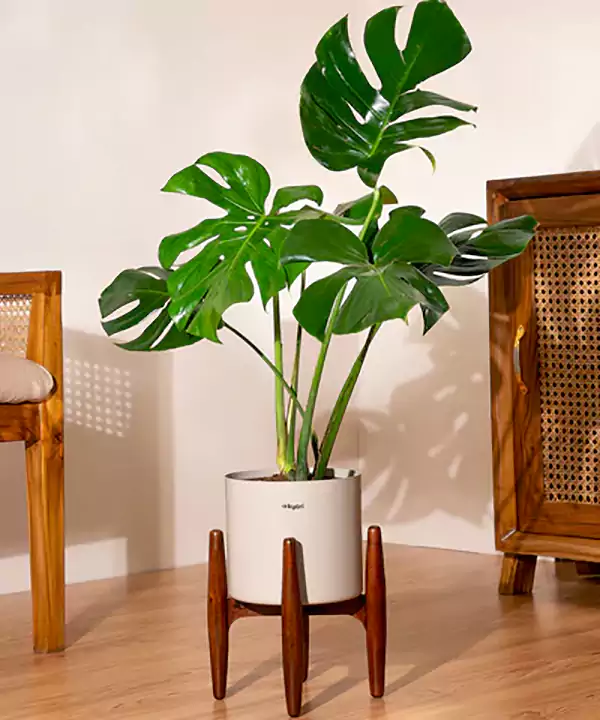
Monstera is an evergreen growing plant that grows only about one to two ft. per year. It takes around 3 to 3.5 years for the plant to reach its full size. For more general information, take a look at its taxonomic overview –
| Kingdom | Plantae |
| Family | Araceae (arum family) |
| Genus | Monstera Adans |
| Class | Liliopsida (monocots) |
Monstera plants are easy to care for. The plant thrives in indirect sunlight and requires water only when the soil starts to dry. Let’s see the ideal growing conditions they need in detail –
| Hardiness zones | USDA Zone 10-12 |
| Sunlight Requirements | Partial light. Note – direct light can burn the plant leaves. |
| Soil |
|
| Mature size | 3 to 15 ft. tall and 3 to 8 ft. wide. |
| Water Requirement |
|
| Fertilizer | Fertilise the plant every 3 to 4 months. |
| Season of Interest | Spring, summer, fall, and winter. |
19. Spider Plant (Chlorophytum comosum)
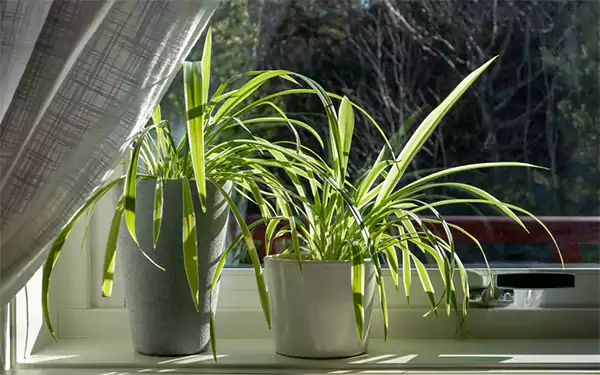
Spider plants are easy to propagate. All you need to do is cut the baby spider plant from the big runners and place it in moist potting soil. They are known for purifying the air. For more general information, take a look at its taxonomic overview –
| Kingdom | Plantae |
| Family | Asparagaceae |
| Genus | Chlorophytum |
| Species | C. comosum |
Spider plants are not only easy to propagate, but they also require little care. The plant should be placed in indirect light. Let’s see the ideal growing conditions they need in detail –
| Hardiness zones | USDA Zone 9-11 |
| Sunlight Requirements | Bright, indirect light |
| Soil |
|
| Mature size | 12 to 24 inches tall and 12 to 36 inches wide. |
| Water Requirement |
|
| Fertilizer | Fertilise the plant during the active growing season, which is from early spring to late autumn. |
| Season of Interest | Spring, summer, fall, and winter. |
20. Kalanchoe (Kalanchoe blossfeldiana)
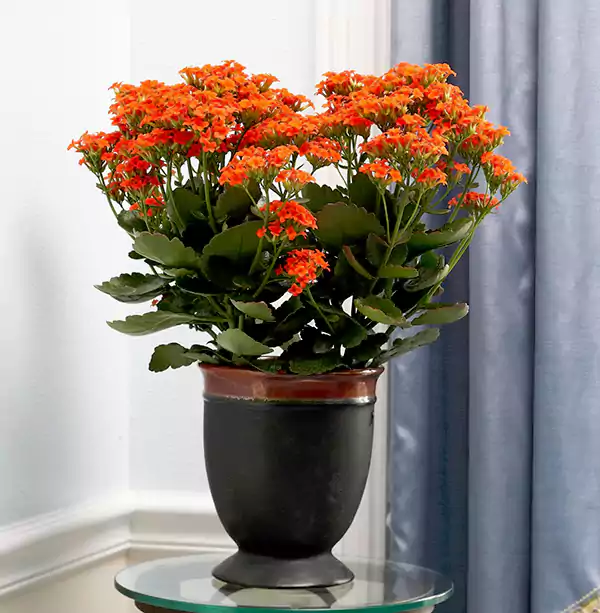
Kalanchoe is a flowering succulent plant which offers long-lasting blooms. The plant offers flowers in vibrant colours like orange, red, pink, yellow, and white. For more general information, take a look at its taxonomic overview –
| Kingdom | Plantae |
| Family | Crassulaceae (Stonecrops) |
| Genus | Kalanchoe Adans. |
| Class | Equisetopsida (Dicotyledons) |
| Specie | K. blossfeldiana Poelln |
Kalanchoe are usually used for their ornamental value in homes and offices. The plant is low-maintenance and can adapt to its surroundings. They are compact but have air-purifying qualities. Let’s see the ideal growing conditions they need in detail –
| Hardiness zones | USDA Zone 10-12 |
| Sunlight Requirements | Bright, indirect light |
| Soil |
|
| Mature size | 6 to 18 inches tall and 6 to 12 inches wide. |
| Water Requirement |
|
| Fertilizer | Use water soluble fertilizer every 4 to 6 weeks in spring and summer. |
| Bloom season | Late fall to early winter. |
Wrap Up
To sum up, indoor plants that brighten living room decor naturally are not only people’s favourite, but they are also helpful in removing toxins from the air. Some of the low maintenance indoor plants for modern home decoration and air purification are the spider plant, snake plant, polka dot plant, African violet, philodendron, etc.
These plants require minimal care, indirect light, and very little water, which makes them beginner-friendly. If you are someone who wants to bring a lively aesthetic to your space, this is the sign to incorporate these indoor plants that improve home decor.
What are the best indoor plants for home decor and air quality?
Some of the best plants for indoor decoration and air purification are the Chinese evergreen, peace lily, prayer plant, monstera, snake plant, and bird nest fern.
Do plants work better than air purifiers?
Plants are known for removing toxic pollutants from the air, but they aren’t sufficient to remove all the pollutants. An air purifier, on the other hand, is an electronic device that is specifically made to target the pollutants in the air. You can install an air purifier in your home along with plants, which will not only make your home look aesthetic but will also naturally remove toxins.
Do indoor plants need more care?
No, indoor plants are generally known as low maintenance plants. They do not require much attention, but some plants do need regular watering.
Suggest some small indoor plants for apartment decor ideas.
Small indoor plants like peace lily, kalanchoe, bird’s nest fern, and pothos are ideal for keeping on desks, windowsills, and up shelves. They do not take up much space and offer an easy way to add greenery to your room.