

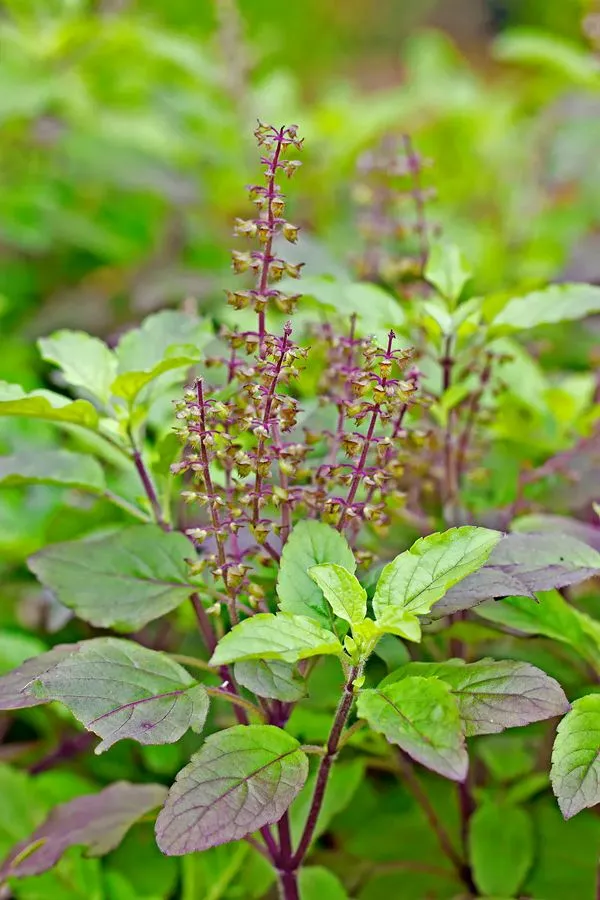
Tulsi, also called basil or holy basil, is often attributed as the “Queen of Herbs” and is commonly used to make teas, poultices, and oils. It is one of the most essential herbs in Ayurveda, or traditional medicine in India, and is also used in your favourite Italian dishes, including pizza and pasta. This wide range of uses makes tulsi an essential houseplant.
The plant can be easily propagated using seeds or the stem-cutting method and is grown annually in most of the parts of the United States. The plant also grows as a perennial in warmer climates and does really well indoors under the right conditions.
Read the article to learn more about the tulsi plant care tips, its taxonomy, ideal growing conditions, benefits, and much more.
Tulsi Plant Care Tips
Caring for a tulsi plant is as easy as growing one. No matter if you have grown the plant using seeds or the stem-cutting method, the care tips are the same. These are:
- Ensure you place the plant under direct morning sunlight and partial shade in the afternoon. Harsh light can lead to leaf browning and damage the plant. Also, the plant can tolerate some shade, but when kept in shade for long, you will notice declining plant health.
- The plant requires moist, well-drained, light and airy but rich soil to thrive. Prefer using silty loam soil to grow a tulsi plant because it is moist and drains well.
- If you are planting tulsi in a container, use a soil mix of three parts peat moss, one part compost, and one part perlite.
- Keep the soil constantly moist but avoid overwatering, as it can lead to fungal disease. Moist soil ensures healthy plant growth.
- If you are planting tulsi in a container, make sure that it has a proper drainage hole for proper air circulation and excess water drainage.
- Avoid using fertilisers for the tulsi plant; instead, use organic compost or manure to enrich the soil.
Did you know?
- Tulsi is a short-lived perennial and annual plant that is sacred in Hinduism and is often worshiped as a manifestation of Goddess Laxmi.
- The woody stems of the plant are often used to make beads for sacred rosaries.
How to Grow Tulsi
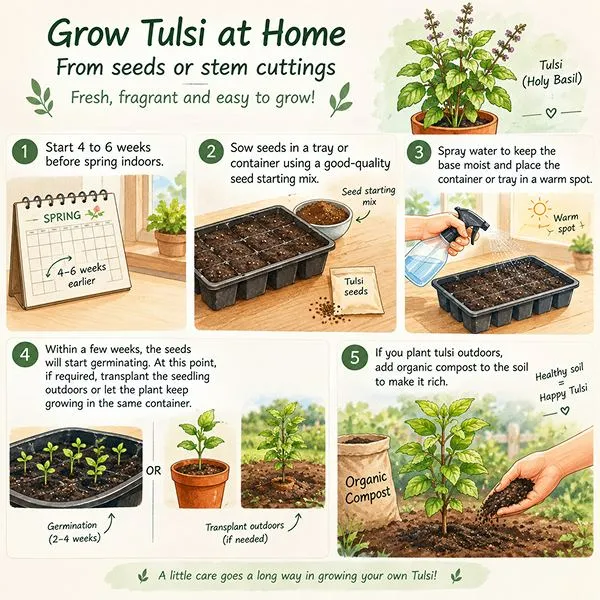
Tulsi can be easily grown or propagated by seeds or the stem-cutting method. Here are the steps involved in propagating tulsi by seeds:
- Start 4 to 6 weeks before spring indoors.
- Sow seeds in a tray or container using a good-quality seed starting mix.
- Spray water to keep the base moist and place the container or tray in a warm spot.
- Within a few weeks, the seeds will start germinating. At this point, if required, transplant the seedling in a warm spot outdoors or let the plant keep growing in the same container.
- If you plant tulsi outdoors, add organic compost to the soil to make it rich.
Propagating Tulsi by Stem-cutting Method
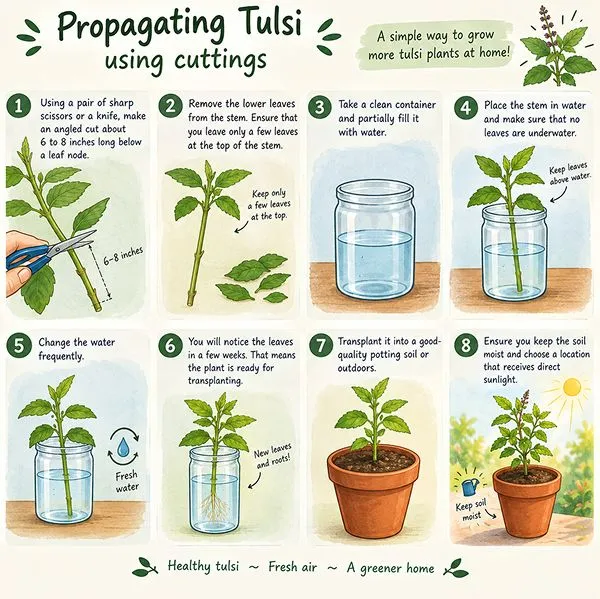
Propagating a tulsi plant using cuttings is a simple process. Here are a few steps involved:
- Using a pair of sharp scissors or a knife, make an angled cut about 6 to 8 inches long below a leaf node.
- Remove the lower leaves from the stem. Ensure that you leave only a few leaves at the top of the stem.
- Take a clean container and partially fill it with water.
- Place the stem in water and make sure that no leaves are underwater.
- Change the water frequently.
- You will notice the leaves in a few weeks. That means the plant is ready for transplanting.
- Transplant it into a good-quality potting soil or outdoors.
- Ensure you keep the soil moist and choose a location that receives direct sunlight.
Quick tip
Harvesting Tulsi is an important and unavoidable step for continuous plant growth. Begin to harvest the leaves anytime the plant reaches a height of 6 to 8 inches. Simply pinch the leaves from the stem tip.
Tulsi Plant Taxonomy and Ideal Growing Conditions
Tulsi belongs to the mint family and is native to the Indian subcontinent and Southeast Asia. This low-maintenance, easy-to-grow plant thrives best under bright sunlight and blooms with white and purple flowers that further grow into seeds, which are used for propagating the tulsi. For more general information, here is the taxonomic overview and ideal growing conditions of the plant:
| Botanical name | Ocimum tenuiflorum, Ocimum gratissimum |
| Common names | Basil, tulsi, tulasi, holy basil |
| Kingdom | Plantae |
| Order | Lamiales |
| Family | Lamiaceae (mint family) |
| Genus | Ocimim (basil) |
| Species | O. tenuiflorum (or O. sanctum) |
| Native area | Indian subcontinent and Southeast Asia |
| Season of interest | Spring and summer |
| Hardiness | USDA Zones 10 b to 11 |
| Light Requirements | Full sunlight for 6 to 8 hours daily |
| Maintenance | Low |
| Type | Annual and perennial |
| Flower colour | Seasonal |
| Soil | Rich, loose, airy, and well-drained loamy soil with a neutral to slightly acidic pH level between 6.0 and 6.5 |
| Water Requirements | Moderate |
| Mature size | 2 ft. tall and 1 to 2 ft. wide |
| Fertilizers | Avoid; instead, use organic compost or aged manure |
| Toxicity | Non-toxic for both pets and humans |
Benefits of Tulsi
Tulsi is considered to have particular Ayurvedic qualities that include clarifying, supporting lung health, warming, and weight management. It is also considered to be great for skin and hair. Here are some of the health benefits of tulsi in Ayurveda:
- Boiled tulsi leaf water helps with sore throat and treats respiratory illness. When paired with honey and ginger, it is helpful for cough and cold, influenza, and asthma to some extent.
- Basil is good for heart health as it helps maintain cholesterol levels in the blood.
- Chewing tulsi leaves provides relief from oral ulcers and infection.
- Tulsi enhances liver detoxification by excreting harmful substances.
Ways to Add Tulsi in Your Daily Life
Tulsi leaves can be consumed directly, but not everyone can consume them directly, so here are a few ways to include them in your daily life:
- Tulsi tea: It is one of the simplest and best ways of consuming tulsi. Add dried or fresh tulsi leaves to boiling water and let it steep. Sip it while it is still warm.
- Tulsi-infused honey: Infusing honey with tulsi leaves is another way to directly consume tulsi.
Tips:
- Always seek medical advice before incorporating tulsi into your diet if you are prone to any disease.
- Avoid overeating tulsi; it might cause harm in the long term.
Pests and Diseases Associated With Tulsi Plant
If not properly cared for, your tulsi plant can attract pests and diseases that might heavily affect your plant. Here are some of the pests and diseases you must be aware of and know how to treat them:
| Pests and diseases | Solution |
| Downy mildew | It is a fungus that can be seen as yellowing leaves. Discoloration often begins around the middle vein and spreads outward. It can be managed by growing tolerant varieties, applying protective fungicide, ensuring good air circulation, and avoiding wetting foliage. |
| Gray mold | The very common symptoms include dense, brown to gray fuzzy growth on stems and leaves and fallen plant debris. To avoid them from spreading, destroy the infected plant and avoid overhead watering. |
| Root rot | Root rot is often caused by poor air circulation and high humidity. It can be witnessed as roots browning or failure of seeds to germinate. You can cure root rot by providing proper spacing between two tulsi plants and growing them in suitable soil. |
| Slugs and snails | Snails and slugs can be easily seen or can be witnessed as irregular holes on leaves. They are attracted to moisture and shaded habitats. To avoid them, plant tulsi directly to partially shaded regions and do not overwater the plant. You can also handpick them. |
| Grasshopper | It is a pest that might feed on your tulsi foliage, buds, and tender stems. In order to get rid of them, encourage birds in the field and spray a suitable insecticide. |
| Aphids | Aphids are often seen on the underside of the leaves. To avoid them, spray neem oil and other organic pesticides. |
Common Tulsi Varieties
In different parts of the world, several types of tulsi are grown and widely used. Here are some of the most popular varieties with their descriptions:
| Variety | Description |
Ocimum sanctum (Rama tulsi)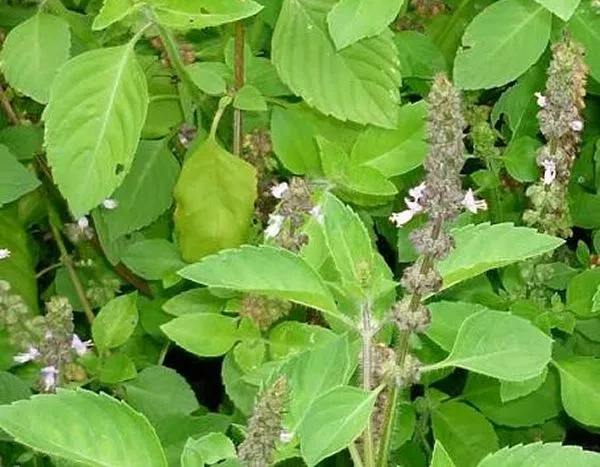 | Rama tulsi, or holy tulsi, has pure green leaves and better cold tolerance. This variety is specifically known as the “Queen of herbs”. |
Ocimum gratissimum (Vana tulsi)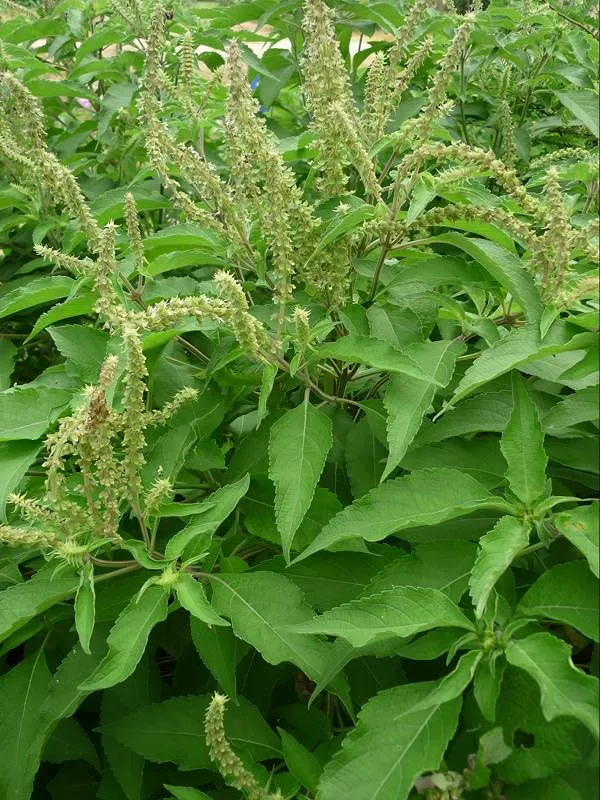 | Vana tulsi is a woody perennial with aromatic leaves. This variety requires direct sunlight to thrive and is known as one of the sacred species of Holy basil in India. |
Ocimum basilicum (Sweet basil)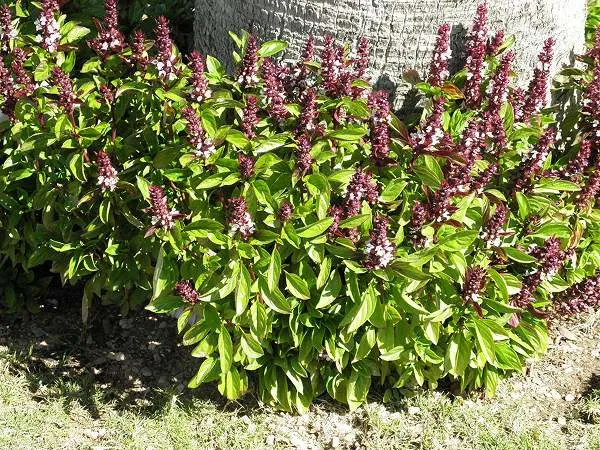 | Sweet basil is generally used in culinary applications and has bigger green leaves and stems. This variety, like other varieties, loves full sunlight and is grown outdoors. |
Ocimum thyrsiflora (Thai basil)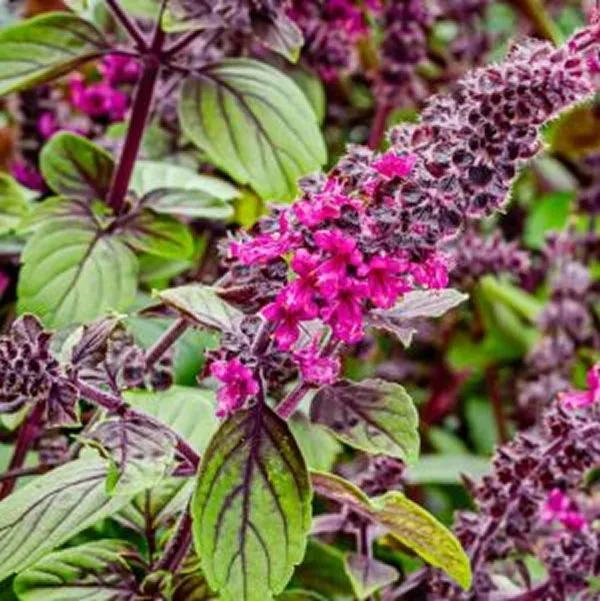 | Thai basil offers aromatic leaves with reddish purple colour stem and dark purple flowers. |
Ocimum citriodorum (Lemon basil)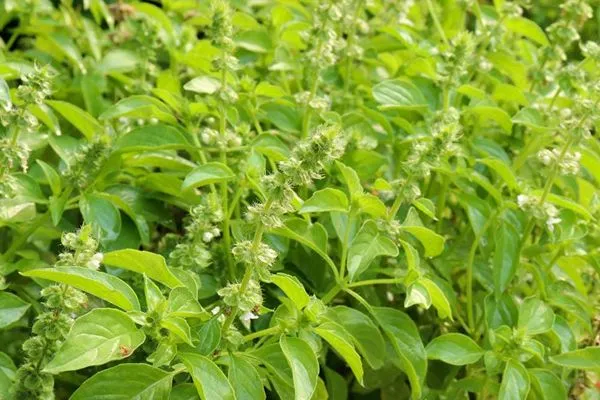 | As the name suggests, lemon basil offers a strong lemon scent. It is used for culinary purposes, and all the parts of the plant are edible, i.e, flower, stem, and leaves. It is a hybrid between sweet basil and American basil. |
Ocimum Americanum (American basil)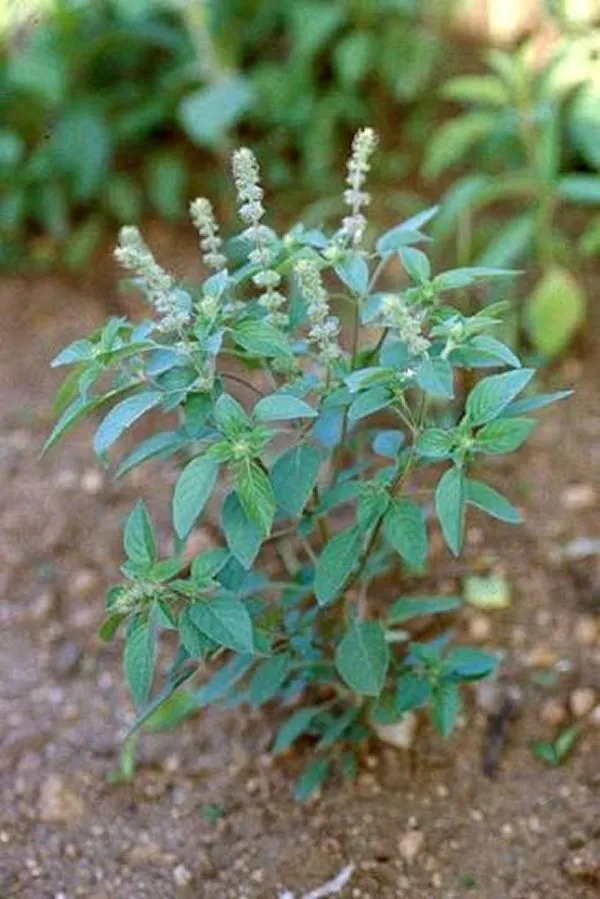 | American basil is known for its rich colour, sweet flavour, cleanliness, and uniformity of size. |
Takeaways
Tulsi, or basil, is not only an essential fragrant herb, but it is also worshipped in Hinduism. The wide spectrum of usage has made it one of the most popular herbs that is generally found in every household. This annual, short-surviving plant can be planted both indoors and outdoors. With minimal care and attention, the plant can thrive for up to 4 years; just be particular about the location.
The plant has various varieties to choose from according to your preference and suitable surroundings. So, this spring, grow your own tulsi plant using seeds or by propagation.
Happy planting.
How to grow tulsi?
Tulsi can be grown either by seeds or by the stem-cutting method. Both methods are equally effective
How to take care of tulsi plant?
Some of the essential tulsi care tips involve direct sunlight, moderate watering, and rich, well-draining soil.
Is tulsi a perennial?
Tulsi grows as a perennial plant in warmer weather conditions.
What are the different Tulsi plant varieties?
Some of the most popular tulsi varieties are sweet basil, rama basil, Thai basil, American basil, and lemon basil.
- holy basil: Britannica